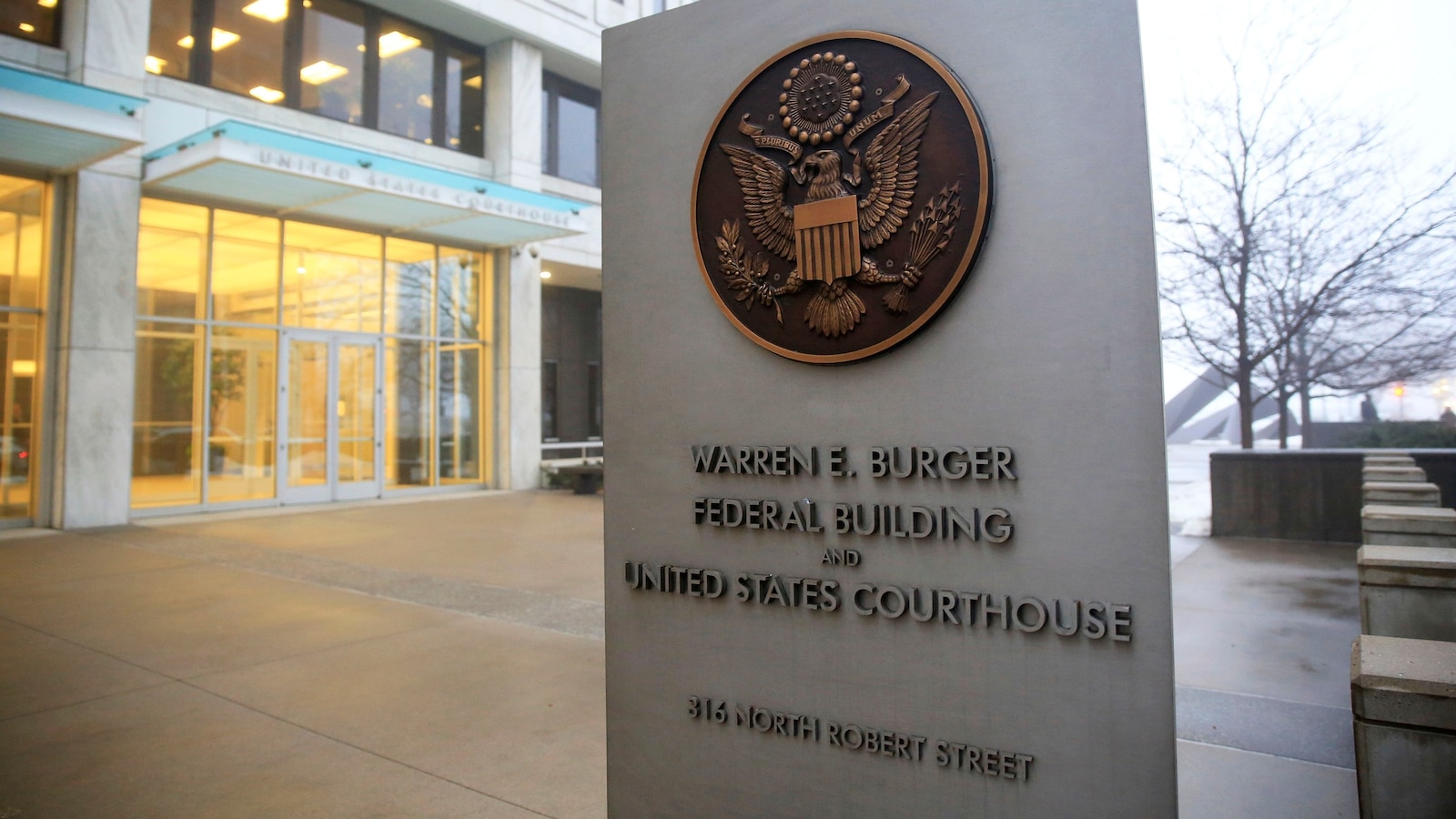
A DHS attorney detailed to the U.S. Attorney's Office told a federal judge she is overwhelmed after being assigned 91 immigration habeas cases amid Operation Metro Surge, and described systemic failures in ICE's response to court-ordered releases. Judge Jerry Blackwell criticized DOJ/DHS/ICE for routinely failing to comply with release orders, warning of constitutional injury and raising the prospect of contempt, while DHS said the attorney's conduct was unprofessional. The episode highlights operational staffing and coordination shortfalls at enforcement agencies and elevates legal and political risk for the administration, though it poses limited direct market impact.
Market structure: Immediate winners are firms that sell IT, case-management and compliance services to DHS/DOJ (e.g., Leidos LDOS, CACI CACI) as agencies scramble to fix processes; direct losers are private detention and electronic-monitoring operators (CoreCivic CXW, GEO Group GEO) whose revenue is occupancy- and contract-driven and vulnerable if courts curtail detentions. Pricing power shifts toward compliance vendors that can win short-term task orders; private prison firms face downward pricing pressure on renewals and utilization floors.
Risk assessment: Tail risks include a binding injunction or contempt fines that materially reduce federal detention days (low probability but high impact) — model a 10–30% decline in federal beds used over 3–12 months producing ~15–40% EPS shock for CXW/GEO. Immediate (days) volatility will stem from court orders and media; short-term (weeks–months) from follow-on DOJ policy changes; long-term (quarters) from contract rebidding and political outcomes (2026 election). Hidden dependency: GEO/CXW revenue concentration in a handful of federal/state contracts and migration flows; litigation settlements/class actions could amplify losses.
Trade implications: Implement size-constrained shorts in CXW/GEO via 3-month put spreads to cap capital: buy 3-month 10% OTM puts / sell 20% OTM puts (target 25–40% return if utilization drops 8–15%). Go long select federal IT/cyber names (LDOS 6–12 month calls or 2–3% stock position) to play emergency procurement. Pair trade: long LDOS, short GEO to capture divergence if compliance spend replaces detention spend.
Contrarian angle: The market may underprice contract-transfer risk because contracts are assumed “sticky”; conversely reaction could be overdone if federal contracts are legally protected — keep initial short exposure small (1–3% each) and scale only if occupancy falls >5% quarter-over-quarter or a formal injunction is issued. Historical parallel: prior DOJ restrictions trimmed private-prison EBITDA by 20–30% over 12 months; use that as downside stress.
AI-powered research, real-time alerts, and portfolio analytics for institutional investors.
Request DemoOverall Sentiment
mildly negative
Sentiment Score
-0.25
