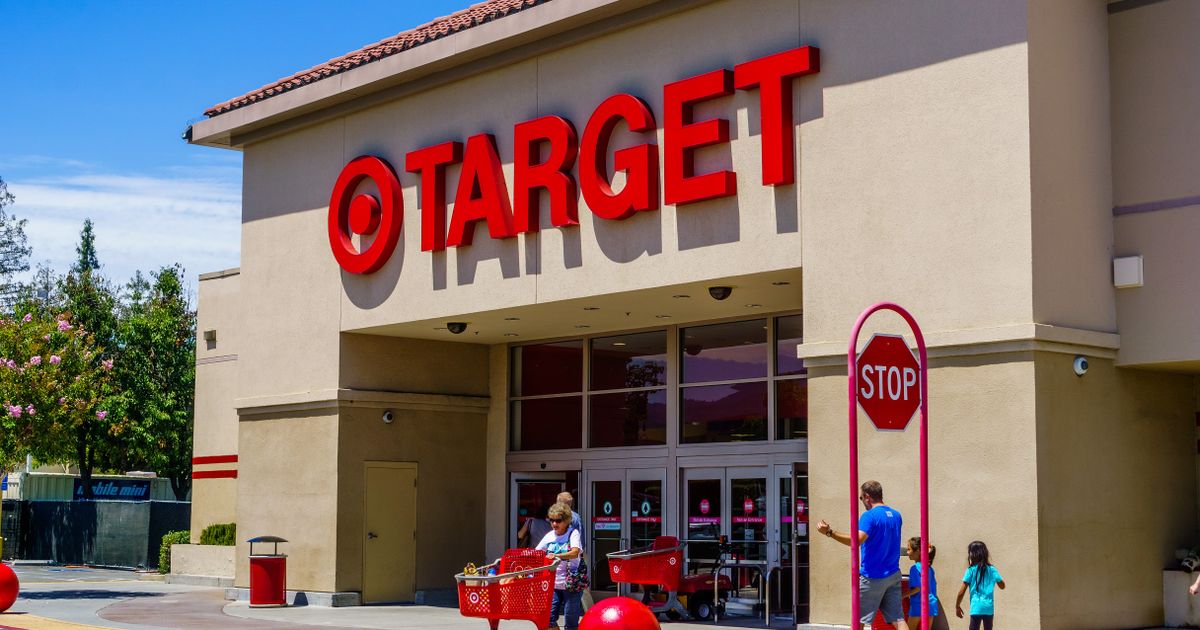
Bank of America projects Target's fiscal first-quarter earnings will exceed Wall Street estimates of $1.78 EPS, despite an expected 1% decline in comparable sales due to soft discretionary spending. While near-term sales remain weak, BofA cites Target's cost efficiencies, growth in digital advertising via Roundel, and the expansion of Target+ as margin-supportive factors, though tariffs impacting approximately 50% of imports pose a risk. Target is mitigating tariff exposure by shifting production away from China and focusing on merchandising initiatives, with BofA seeing long-term upside in the company's marketplace and advertising businesses.
Target Corp. (TGT) is poised to report fiscal first-quarter earnings that Bank of America (BofA) anticipates will surpass Wall Street's consensus estimate of $1.78 adjusted earnings per share, despite a projected 1% decline in comparable sales. This expectation reflects a cautious optimism, acknowledging persistent headwinds from soft discretionary consumer spending and inflationary cost pressures, particularly impacting higher-margin categories like home goods and apparel. BofA's analysis indicates that decelerating sales trends observed in third-party data align with these near-term challenges. However, offsetting factors include Target's strategic initiatives focused on cost efficiencies and improving gross margins, alongside the expansion of its digital advertising platform, Roundel, and its invite-only digital marketplace, Target+. These latter segments are viewed as significant long-term margin enhancers, similar to those bolstering competitors like Walmart. A key risk factor remains the uncertain tariff environment, with approximately 50% of Target's imports potentially affected, including an estimated 19% originating from China. Target is actively mitigating this by diversifying its supply chain, having reduced owned-brand sourcing from China to 30% from approximately 60% in 2017. Furthermore, merchandising initiatives, such as an expanded wellness category and exclusive partnerships with Disney, Marvel, Champion, and Warby Parker, are designed to drive customer traffic and differentiate its product assortment. BofA suggests that despite near-term volatility, Target's current valuation may not fully reflect its strategic progress and long-term earnings potential, particularly concerning its marketplace and advertising ventures. The overall sentiment is neutral with a cautious tone, reflecting these mixed signals ahead of the May 21 earnings release.
AI-powered research, real-time alerts, and portfolio analytics for institutional investors.
Request DemoOverall Sentiment
Neutral
Sentiment Score
0.10
Ticker Sentiment
