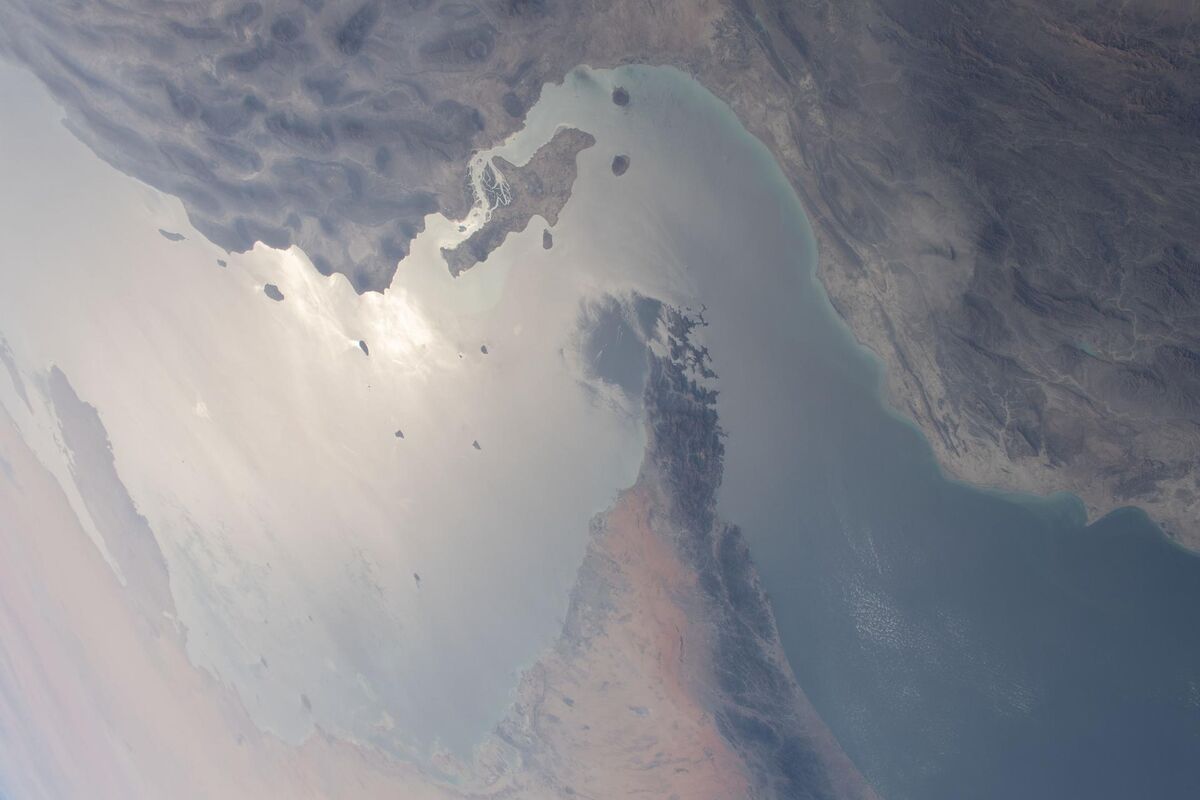
Malaysia announced its tankers will be exempt from Iran's Strait of Hormuz toll, per Transport Minister Anthony Loke citing confirmation from the Iranian ambassador. The move removes an immediate additional transit cost for Malaysian vessels and signals low bilateral friction; it is unlikely to materially affect global oil flows or prices but modestly reduces shipping risk for Malaysian carriers.
Selective exemptions create an asymmetric incentive: shippers and charterers who can credibly use Malaysian-flagged tonnage capture a multiday time advantage versus rerouting around chokepoints. Reflagging or short-term chartering to gain that access is not frictionless — expect a 2–9 month window for commercial contracts and flag/insurer approvals to flow through, meaning the clearest P&L effect will materialize over the next quarter to year as operators adjust fleets and charters.
Insurance and sanction-counterparty risk are the likely second-order transmission mechanisms. P&I clubs and reinsurers will reprice transit risk differentially by flag and voyage; even a small premium move (100–300bps on voyage economics) can swing short-route MR/aframax employment economics, creating winners among vessels already domiciled in friendly registries and losers among open-registry owners.
Geopolitical leverage is the latent tail-risk: selective exemptions weaken uniform toll enforcement and create market arbitrage for state-level corridors that can be monetized by Iran, increasing the chance of secondary sanctions or naval escalation if a larger power objects. That makes this a low-conviction, asymmetric-impact theme — muted market response in days but a meaningful regime-shift risk across 3–18 months if other states seek similar carve-outs or conversely if exemptions are rescinded under external pressure.
AI-powered research, real-time alerts, and portfolio analytics for institutional investors.
Overall Sentiment
neutral
Sentiment Score
0.00
