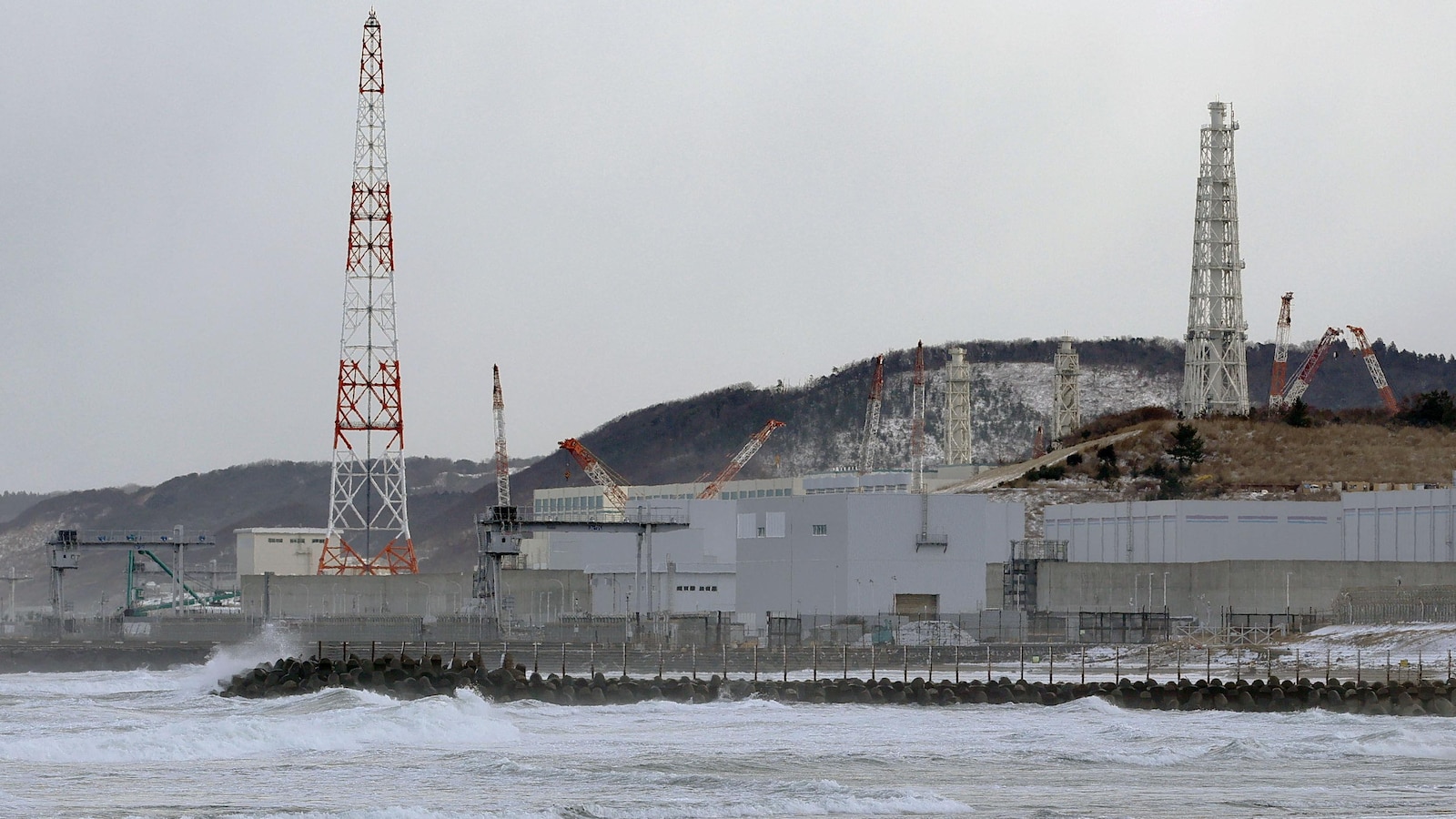
TEPCO halted the restart of the No. 6 reactor at its Kashiwazaki-Kariwa plant just hours after resuming operations because of a control-rod glitch; the utility says there is no immediate safety issue and it is investigating before continuing the start-up. Kashiwazaki-Kariwa is the world's largest nuclear complex by combined capacity (8 million kW) and No. 6 would add about 1.35 million kW—enough for over 1 million Tokyo-area households—so the pause could delay near-term relief for Japan's power needs. The incident underscores operational and reputational risks for TEPCO as it continues a costly Fukushima cleanup (estimated ¥22 trillion / $139 billion) and seeks regulatory clearance to bring only two of seven units back online.
Market structure: A single-unit glitch at TEPCO’s Kashiwazaki-Kariwa No.6 (1.35 GW) creates near-term supply uncertainty for Tokyo-region baseload power and delays ~1.35 GW of dispatchable capacity while TEPCO plans only two of seven reactors to resume. Winners: LNG/spot gas suppliers, thermal generators and grid-scale battery providers who can capture higher spark spreads; losers: TEPCO (9501.T) equity and any retailers hedged assuming the restart. Pricing power shifts modestly toward thermal/LNG suppliers until restarts are certified, likely keeping spot electricity and fuel spreads elevated by low-single-digit percentage points over the next 1–3 months.
Risk assessment: Tail risks include regulatory clampdown or local injunctions that delay all TEPCO restarts (low probability, high impact), a fresh incident that triggers national moratoriums, or a material cost overrun on the 22 trillion yen Fukushima cleanup forcing government recapitalization. Time horizons: immediate (days) = heightened volatility and headline risk; short-term (30–90 days) = regulatory reports/certifications; long-term (12–36 months) = phased nuclear policy shift raising uranium demand if restarts proceed. Hidden dependencies: public sentiment, local court rulings, and METI approvals are binding; catalyst set = METI safety rulings, vendor inspections, summer demand spikes.
Trade implications: Direct short bias on TEPCO (9501.T) given reputational/legal leverage and restart fragility; long exposure to uranium names/ETFs to play secular nuclear re-acceleration. Use pair trades to hedge policy risk (long diversified Japanese utilities with less TEPCO exposure, short TEPCO). Options: buy 3–6 month TEPCO puts to asymmetrically capture downside and buy 6–18 month long-call or physical exposure to CCJ/URA for convex upside if multiple restarts proceed.
Contrarian angles: Consensus treats this as transient operational noise; we flag policy/SEA-level downside that could stall all restarts — an underpriced systemic regulatory risk. Conversely, if TEPCO successfully restarts No.6 and No.7 within 6–12 months, uranium miners and power-equipment suppliers are likely underowned and could re-rate 20–40%. Historical parallel: post-2011 restarts were iterative and highly local — expect stop-start outcomes rather than smooth rollouts, so tranche exposure and volatility-selling strategies can harvest risk-premia.
AI-powered research, real-time alerts, and portfolio analytics for institutional investors.
Request DemoOverall Sentiment
moderately negative
Sentiment Score
-0.35
