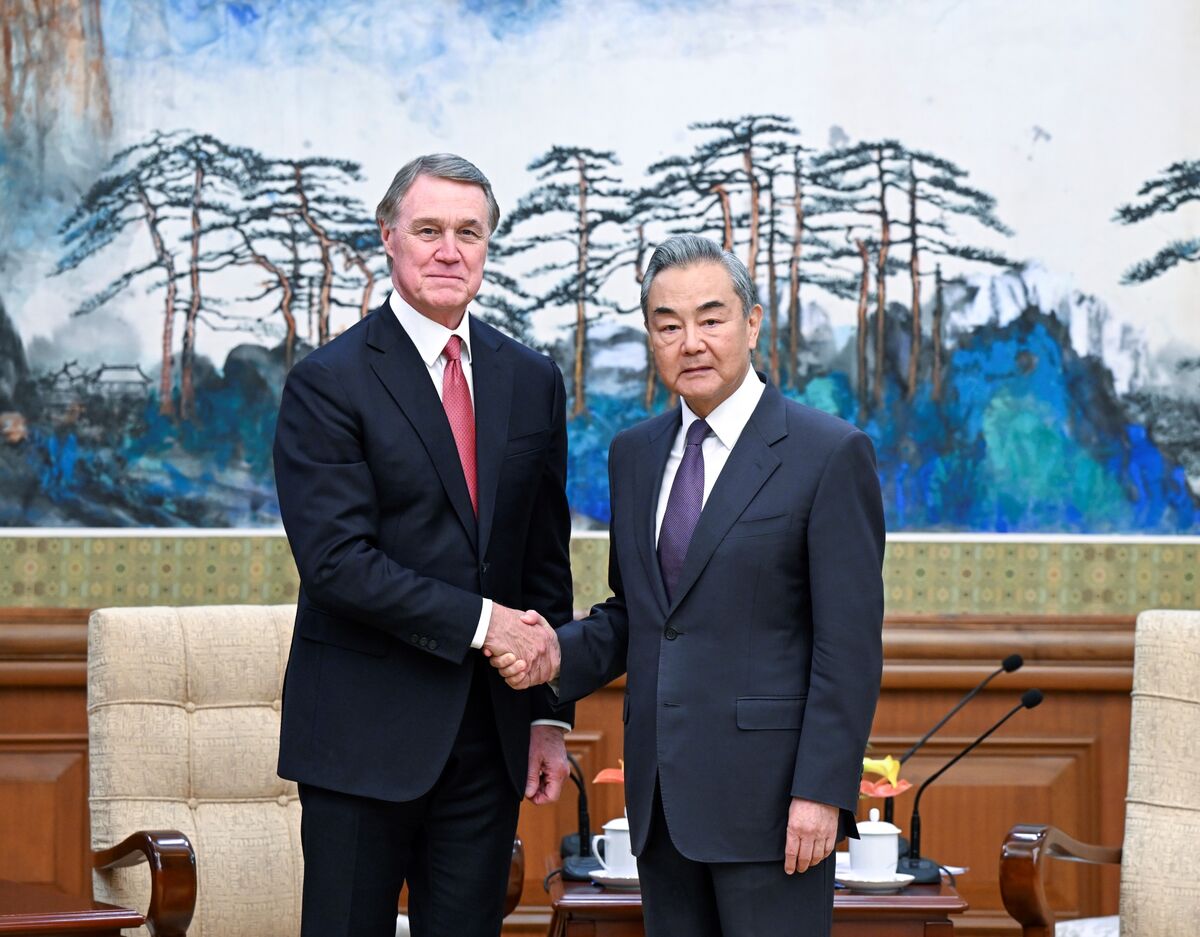
U.S. Ambassador to China, David Perdue, stated the U.S. aims to reshape its trade relationship with China and globally by repatriating critical supply chains, citing vulnerabilities created by "unfettered globalization." Perdue's remarks highlight the ongoing U.S. push to reduce reliance on single-source supply chains, potentially impacting multinational corporations and trade flows between the U.S. and China.
The U.S. Ambassador to China, David Perdue, has articulated a clear U.S. policy objective to reconfigure its trade relationships globally, with a specific emphasis on repatriating critical supply chains from China and other foreign sources. This initiative stems from a concern that "unfettered globalization" has led to significant "single-source supply chain vulnerabilities." These remarks, delivered in Washington, signal a continued strategic push by the U.S. to reduce its economic dependencies and enhance national resilience. The accompanying data signals indicate a "mildly negative" sentiment (score -0.3) and a "cautious" tone surrounding this development, with a moderate market impact score of 0.65, suggesting that investors perceive potential disruptions or increased costs. The identified themes of "Trade Policy & Supply Chain" and "Geopolitics & War" further underscore the strategic and potentially contentious nature of this policy direction, which could have broad implications for multinational corporations, international trade flows, and the cost structures of industries reliant on established global supply networks.
AI-powered research, real-time alerts, and portfolio analytics for institutional investors.
Request DemoOverall Sentiment
mildly negative
Sentiment Score
-0.30
