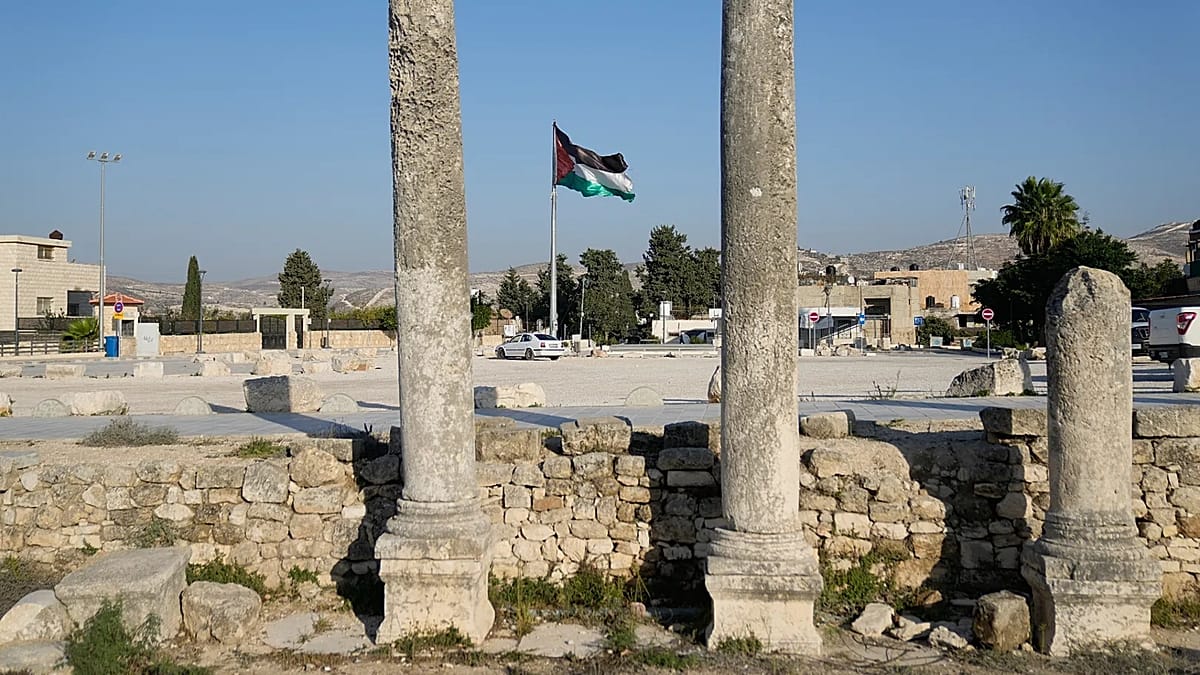
Israel plans to seize nearly 1,800 dunams (roughly 450 acres) of the Sebastia archaeological site in the West Bank, including thousands of olive trees registered to the Palestinian villages of Burqa and Sebastia, and has given Palestinians 14 days to file objections; the government cites heritage preservation and had already allocated more than 30 million shekels (~€8m) to develop the site, which is on UNESCO’s tentative list. Anti‑settlement groups say the land is privately owned and warn the move will displace locals and end Palestinian‑led tourism, noting parallels with other sites that became inaccessible after settlement expansion. The action — which coincided with the establishment of a new illegal outpost near Bethlehem — is likely to increase tensions, attract international criticism (the international community largely views West Bank settlements as illegal) and raise political and operational risks for stakeholders with exposure to the occupied territories.
Israeli authorities intend to seize nearly 1,800 dunams (roughly 450 acres) of the Sebastia archaeological site in the West Bank, including “thousands of olive trees” registered to the Palestinian villages of Burqa and Sebastia, and have given Palestinians 14 days to file objections; the site has been on UNESCO’s tentative list since 2012 and Israel allocated more than 30 million shekels (~€8m) in 2023 to develop it as a tourist attraction. Anti-settlement group Peace Now and human rights organisations characterise the land as privately owned and warn the expropriation will displace locals and end Palestinian-led tourism, citing precedents where sites became inaccessible after settlement expansion (Deir Qal’a, Deir Samaan). The decision coincides with the establishment of a new illegal outpost near Bethlehem and comes amid intensifying domestic pressure on the Israeli government to crack down on settler violence; the article notes the occupied West Bank houses ~3 million Palestinians and over 500,000 Israeli settlers and that the international community largely views settlements as illegal. Market signals flag a moderately negative sentiment (score -0.45) with a limited market-impact score (0.28), implying reputational, legal and geopolitical risks that are likely to affect tourism operators, contractors with government ties and investors with direct exposure to West Bank assets.
AI-powered research, real-time alerts, and portfolio analytics for institutional investors.
Request DemoOverall Sentiment
moderately negative
Sentiment Score
-0.45
