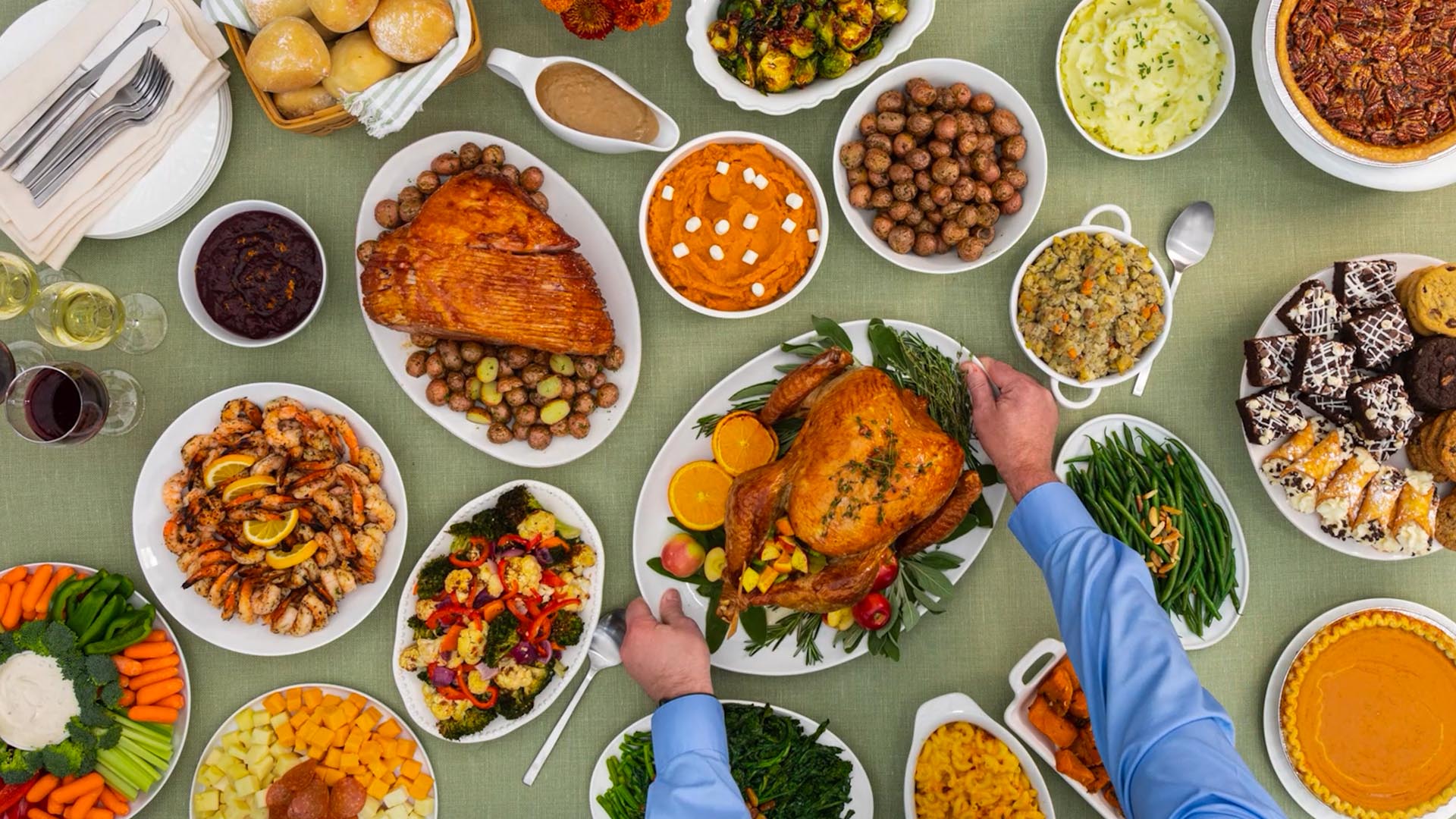
Regional supermarket executive reports persistent cost pressures—notably energy costs up roughly 30% year‑over‑year—while retail prices for key seasonal items (turkey) remain roughly flat versus last year. Management says margins are razor thin and they are reluctant to raise prices; consumers are trading toward private‑label products (claims of large savings versus national brands) and retailers are deploying demos and prepared‑food services to drive sales. Eggs are down about $1/dozen and butter availability/pricing is easing, while a recent tariff relaxation was cited as contributing to lower prices on an unspecified import, and competition from discounters (Aldi, Costco, Wegmans) is intensifying. Overall, the piece signals cost‑push inflation risk to margins but limited immediate price pass‑through to consumers.
Market Structure: Grocery demand is bifurcating — discounters and private‑label specialists (Costco/COST, Trader Joe’s profile) are the implicit winners as consumers chase ~30–40% savings on white‑label items; national branded CPGs and thin‑margin family grocers face immediate price sensitivity and rising input costs (energy +30% y/y mentioned). Competition from Aldi/Lidl/Wegmans intensifies pricing pressure; expect ~1–3% share shifts toward private label in 12 months and transient holiday volume spikes that favor high‑SKU traffic players. Cross‑asset: stickier food inflation would push breakevens higher, steepen the front end of the curve, lift commodity vols (turkey, eggs, dairy) and strengthen USD on Fed hawkish repricing.
Risk Assessment: Tail risks include a food‑safety recall (material hits to regional grocers), a regulatory crackdown on THC beverages, or abrupt energy spikes — each could compress margins >200bps for exposed operators within weeks. Immediate (days): holiday demand volatility; short term (weeks–months): Q4 margin prints and CPI releases; long term (quarters+): structural private‑label share gains and potential supplier consolidation. Hidden dependencies: impulse/demo sales buoy average basket — reduced in‑store demos can cut same‑store sales 1–3% fast. Catalysts: Nov/Dec retail sales, Dec CPI, Q4 earnings and state THC rulings.
Trade Implications: Favor concentrated longs in high‑turn, private‑label beneficiaries and select discount operators and hedged shorts in regional, low‑scale grocers. Specific tactical plays: overweight COST into Q4 (expect outperformance vs peers) paired with a short position in a regional grocer (KR or SFM) to capture margin divergence over 3–12 months. Use option structures (bull call spreads on COST, put spreads on weaker grocers) to control risk around CPI and Q4 earnings events.
Contrarian Angles: Consensus understates persistence of private‑label gains — 2008–2012 showed durable share gains after economic stress; current market may underprice multi‑quarter tailwind to Costco‑style formats. Conversely, the rise of THC drinks and premium organic could be overhyped and face regulatory / supply caps; a regulatory setback would re‑rate niche beverage/novelty revenue expectations. Watch for unintended consequences: excessive private‑label ramp could trigger supplier consolidation or antitrust scrutiny, creating idiosyncratic downside for large retailers if supply tightens.
AI-powered research, real-time alerts, and portfolio analytics for institutional investors.
Request DemoOverall Sentiment
mildly negative
Sentiment Score
-0.30
Ticker Sentiment
