The Shangri-La Dialogue defense summit highlighted a growing divergence between the U.S. and Europe regarding their respective military focus, with the U.S. now signaling a preference for European nations to prioritize their own continent's defense amid the Ukraine war. This shift contrasts with the previous U.S. stance that encouraged European engagement in the Indo-Pacific to counter China, a view still held by many European officials who see security in both regions as increasingly linked. While some allies, like Finland, agree on prioritizing European defense, others, such as Sweden and New Zealand, emphasize the importance of supporting Ukraine and increasing regional defense spending, reflecting a complex and evolving geopolitical landscape.
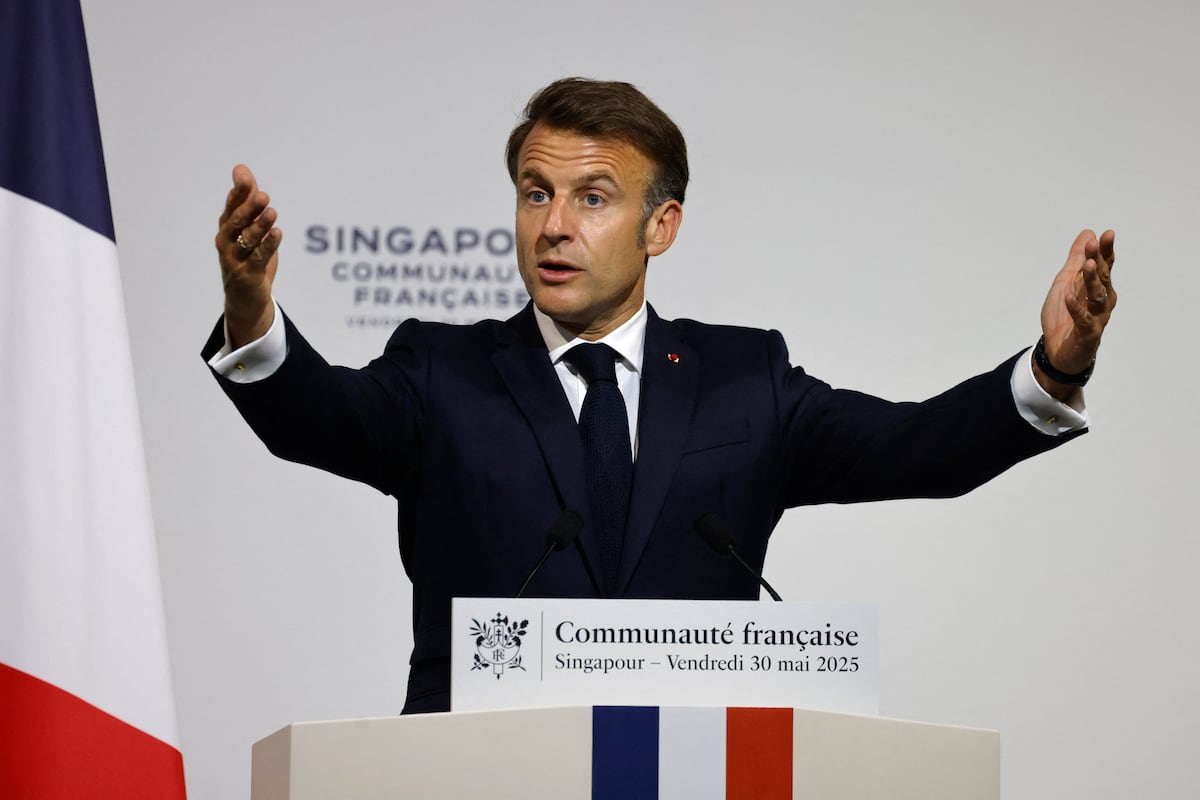
The article highlights a pivotal shift in U.S. strategic priorities discussed at the Shangri-La Dialogue, where U.S. Defense Secretary Pete Hegseth, under a hypothetical second Trump administration, advocated for European nations to concentrate their defense efforts and investments primarily on the European continent. This marks a reversal from prior U.S. policy that encouraged European military engagement in the Indo-Pacific to counter China, reflecting a U.S. desire for Europe to assume greater responsibility for its own security, thereby enabling the U.S. to intensify its focus on the Pacific. Despite this directive, European leaders, including French President Emmanuel Macron, and a record number of European attendees, emphasized the interconnectedness of European and Asian security, particularly referencing the Ukraine war's implications for Taiwan. While the U.S. acknowledged that a European presence in Asia could still serve as a deterrent to China, the overriding message was for Europe to shoulder more of its own continental defense burden. This evolving geopolitical landscape is eliciting diverse reactions: Finland, citing its 800-mile border with Russia, aligns with a Europe-first defense posture while pursuing Asian partnerships in defense industries and intelligence. Sweden also seeks Asian partnerships alongside stressing support for Ukraine. Meanwhile, New Zealand is notably increasing its defense budget, aiming to spend 2% of GDP on the military by the early 2030s, to enhance its regional security autonomy in response to perceptions of shifting major power priorities, such as a 'NATO-first policy'.
AI-powered research, real-time alerts, and portfolio analytics for institutional investors.
Request DemoOverall Sentiment
neutral
Sentiment Score
0.00
