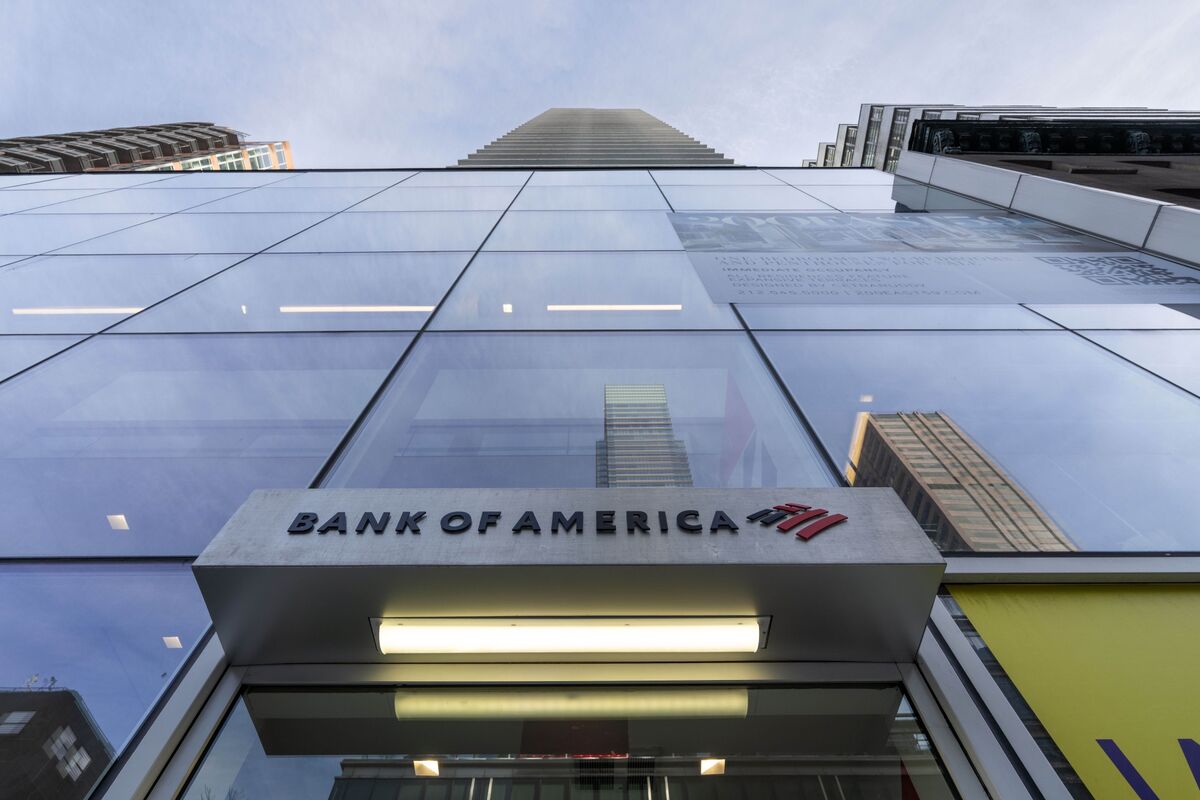
Bank of America agreed to pay $72.5 million to settle a lawsuit brought by Jeffrey Epstein victims alleging the bank aided his sex‑trafficking. The parties presented the settlement to US District Judge Jed Rakoff in Manhattan and the deal awaits his approval; the case has been on hold since March 16 after a reported "settlement in principle." The payment is a legal/resolution cost with reputational implications but is unlikely to materially impact BofA's overall financial position.
This litigation headline should be viewed as a marginal capital event but a meaningful governance shock: accounting for insurance and reserve fungibility, the direct hit is likely measured in single-digit basis points of CET1 and a low-single-digit percentage impact to quarterly EPS, not a solvency event. The larger channel is reputational and operational — expect a 12–24 month step-up in compliance spending (mid-teens percent increase on current budgets) and more conservative private‑banking onboarding, which compresses fee/revenue growth for high-touch wealth channels.
Second-order competitive effects favor banks with cleaner public AML/KYC records and higher tangible capital ratios; those franchises can win assets from ultra‑high‑net‑worth clients who reallocate to perceived safer custodians. Insurers and counterparties will reprice tail coverage and operational risk: I expect contested premium hikes and reduced limits for director-and-officer and professional‑liability lines, raising effective operating costs for the entire sector over the next 6–18 months.
Market reaction will be headline-driven and transient unless regulators escalate to enforcement or new plaintiffs broaden claims. Key catalysts to watch are: (1) any regulatory enforcement letters or consent orders within 3–9 months, (2) Q1 earnings commentary on litigation reserves and buyback guidance, and (3) deposit flows from high‑net‑worth cohorts over the following two quarters; each could re-rate the stock by +/-5–15% depending on tone and scope.
AI-powered research, real-time alerts, and portfolio analytics for institutional investors.
Request DemoOverall Sentiment
mildly negative
Sentiment Score
-0.30
Ticker Sentiment
