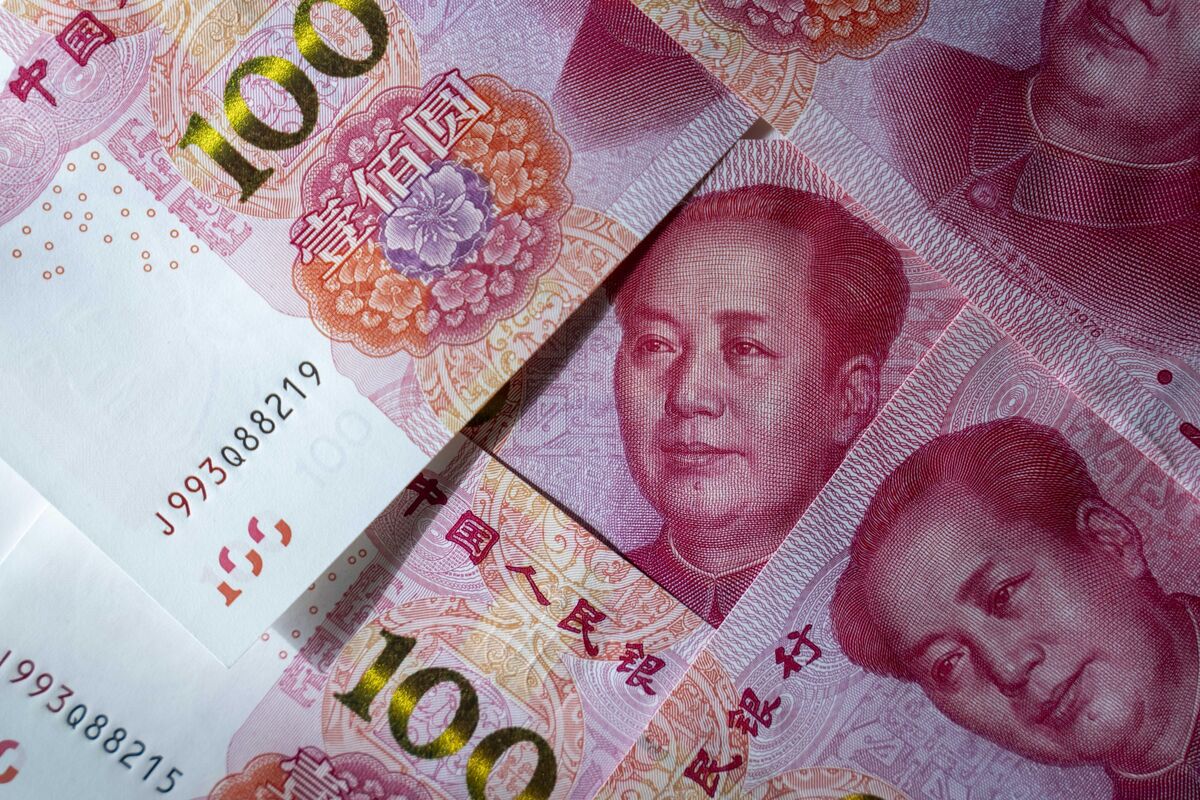
Russia’s Finance Ministry will begin taking orders on Dec. 2 for its first yuan-denominated sovereign bond, a two-part, domestically traded issue comprising a 3.2-year tranche with a targeted coupon of 6.25%–6.5% and a 7.5-year tranche with a coupon capped at 7.5%. The deal signals Moscow’s willingness to tap yuan funding and supports Beijing’s push to raise the international role of the renminbi, with potential implications for EM debt and FX flows but limited immediate market disruption given the domestic placement and geopolitical uncertainties.
Market structure: China (state banks, onshore institutional investors, clearinghouses) and PBOC/SAFE are the primary winners — a Russia CNY issue channels funding demand into onshore rates and CNH liquidity and helps build CNY-denominated safe assets. Russia benefits by diversifying funding away from USD/RUB but pays a steep premium (3.2y coupon ~6.25–6.5% vs China 3y sovereign ~2.5–3.5% implying ~300bps+ credit spread), so expected demand is price-sensitive and likely limited to state-linked buyers. Western creditors, USD-centric intermediaries and holders of Russian hard-currency sovereigns are losers due to potential substitution and persistent sanction-related liquidity risk.
Risk assessment: Immediate (days) risk is a thin primary order book and volatile pricing around Dec 2; short-term (weeks–months) risks include Chinese banks refusing to hold Russian credit under secondary sanctions pressure or repo disqualification, causing illiquidity and large mark-to-market moves. Long-term (quarters–years) outcome depends on PBOC policy: if SAFE permits broader settlement and acceptance in official reserves, CNY internationalization accelerates; tail scenarios include sanction-driven freezing of CNY clearing or a Russia partial default, each causing >10-20% repricing in related FX and credit. Hidden dependencies: repo acceptance of Russia CNY bonds, availability of CNH hedging, and oil-for-yuan trade volumes will determine true take-up.
Trade implications: Tactical FX and credit trades are most effective: a 3–6 month, size-constrained long-CNY (short USD/CNH) position anticipates incremental yuan demand; conversely, avoid fresh purchases of Russian USD sovereigns and RSX until secondary liquidity and foreign participation are observable post-issuance. Use options to asymmetrically express views — buy 3-month USD/CNH puts (5% OTM) and buy 3-month USD/RUB puts (5% OTM) in small size (0.25–0.5% NAV each) to capture directional moves while capping downside.
Contrarian/second-order: Consensus focuses on geopolitics; it underestimates operational frictions — if Chinese banks are forced to hold these bonds as quasi-policy rather than for return, secondary liquidity may be near-zero and yields will compress on primary but spike on secondary; that creates opportunities to buy liquid proxies (CNH interest-rate swaps, onshore CGBs) rather than illiquid Russian CNY paper. Historical parallel: early-2000s euro-denominated EM issuance showed initial enthusiasm then chronic illiquidity; expect mispricings in spreads >200–400bps that can be harvested with careful liquidity filters.
AI-powered research, real-time alerts, and portfolio analytics for institutional investors.
Request DemoOverall Sentiment
neutral
Sentiment Score
0.10
