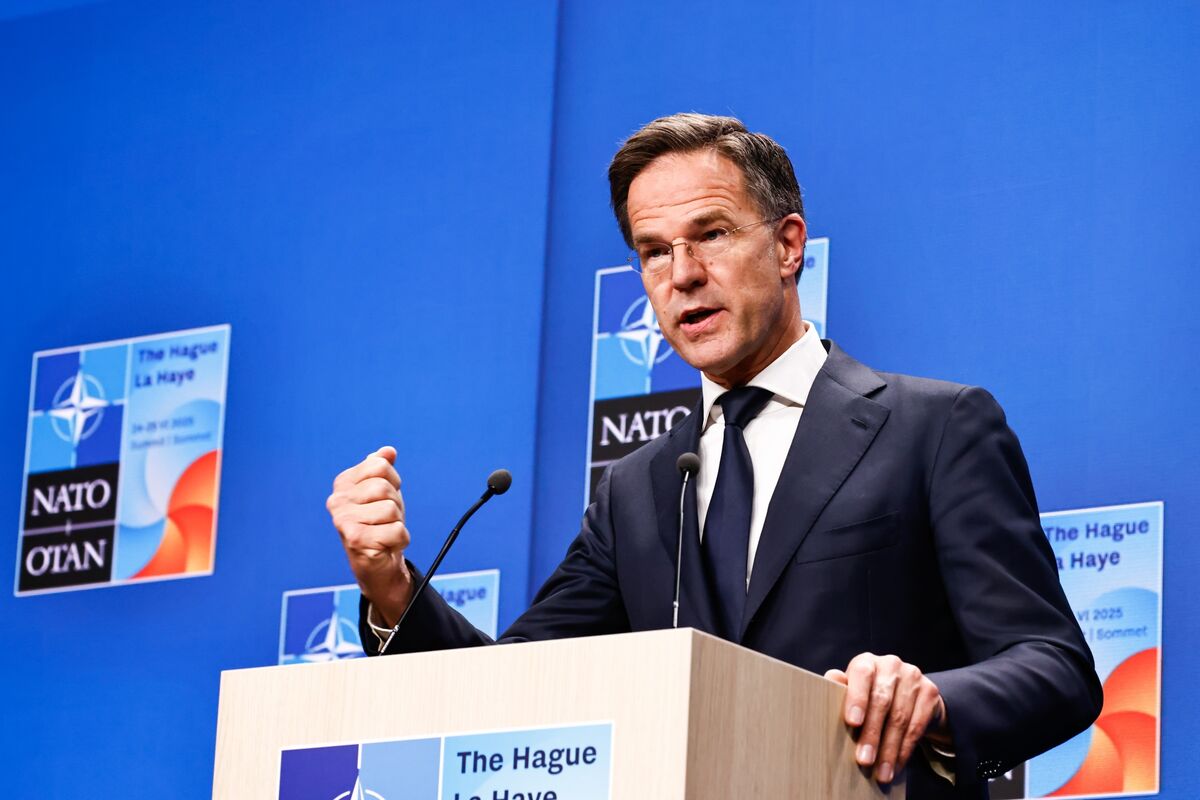
NATO Secretary General Mark Rutte warned Brazil, China, and India that they risk facing US secondary sanctions if Russia fails to negotiate a peace deal with Ukraine, urging them to pressure President Putin for a ceasefire. This warning underscores escalating geopolitical pressure on key emerging markets and the significant economic risks they face, which could impact global trade and investment outlooks.
NATO Secretary General Mark Rutte's explicit warning to Brazil, China, and India introduces a significant new dimension of risk for emerging market assets. By threatening these key economies with U.S. secondary sanctions contingent on Russia's actions in Ukraine, NATO is directly escalating geopolitical pressure on nations that have maintained economic ties with Moscow. This statement shifts the risk from a generalized concern to a specific, named threat, creating material uncertainty for investors with exposure to these three countries. The development, classified under themes of Geopolitics and Sanctions, carries a 'strongly negative' sentiment and a notable market impact score of 0.65, indicating that market participants are likely to re-evaluate the risk premium associated with investments in these regions, potentially impacting currency stability, equity valuations, and foreign direct investment flows.
AI-powered research, real-time alerts, and portfolio analytics for institutional investors.
Request DemoOverall Sentiment
strongly negative
Sentiment Score
-0.60
