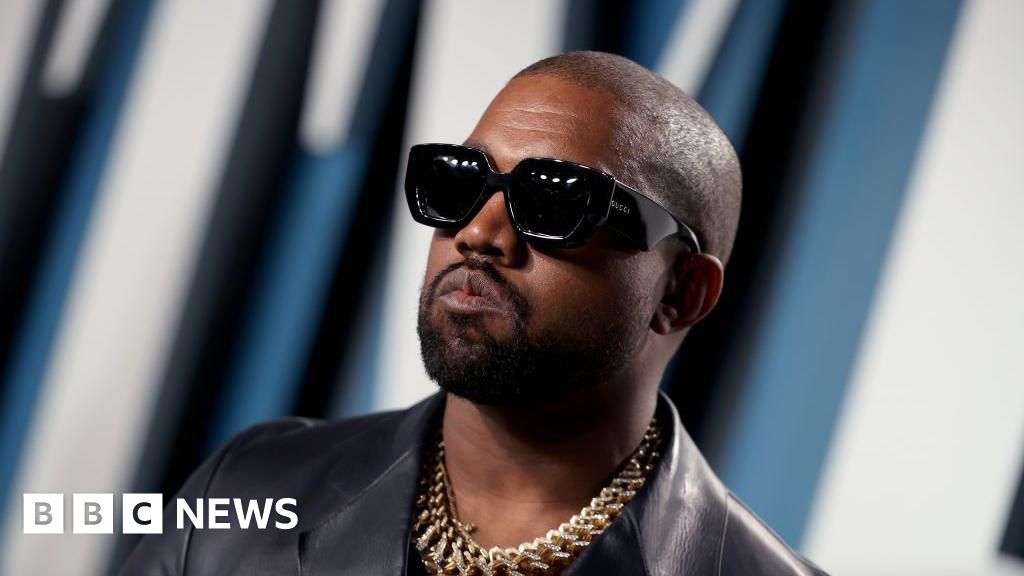
Italy blocked Kanye West and Travis Scott concerts in Reggio Emilia, citing public order and security concerns; the shows were scheduled for 17 and 18 July. The decision follows backlash over West's antisemitic remarks and adds to a broader pattern of cancellations, including West's recent UK ban and scrapped dates in France and Poland. The news is negative for the artists and event organizers, but likely limited in broader market impact.
This is less a one-off celebrity headline than a reminder that live-event economics now carry a political-risk premium. Promoters, venues, and ticketing platforms are exposed to sudden permit revocations when artist reputational risk spills into public-order concerns; the second-order loser is the insurance market, which will likely tighten exclusions around hate-speech, crowd-control, and force-majeure claims. Expect a modest but real uptick in demand for security services, crisis PR, and legal advisory tied to event approvals in Europe over the next 3-6 months.
The commercial damage is asymmetric: headline artists can be replaced, but venue utilization and regional tourism are harder to recover. For operators, the bigger issue is not the lost concert revenue itself but the signal that municipalities may preemptively kill events with elevated protest risk, compressing planning windows and raising cancellation rates for mid- to large-capacity shows. That tends to push promoters toward safer, legacy acts and away from controversial talent, reducing upside optionality in festival lineups.
The market may be underestimating how quickly this compounds for artists already facing access restrictions. A second-order effect is on international touring routes: once one jurisdiction acts, others follow to avoid public backlash, creating a domino effect that can clip tour legs across Western Europe within a single quarter. Conversely, if the artist issue cools and approvals resume, the rebound will likely be sharp but uneven, favoring venues with stronger municipal relationships and diversified programming rather than pure-play concert promoters.
AI-powered research, real-time alerts, and portfolio analytics for institutional investors.
Request TrialOverall Sentiment
moderately negative
Sentiment Score
-0.45
