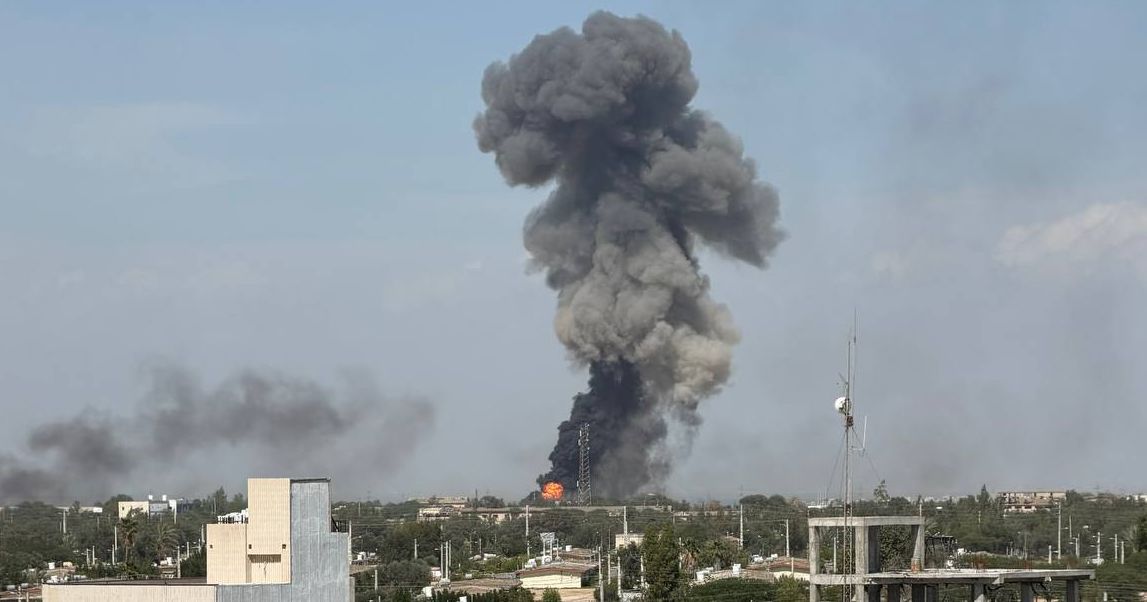
Multiple coordinated strikes and explosions hit Iran across dozens of locations on Saturday, including a heavy blast in Tehranpars, destruction of a government building in Tochal‑Velenjak, damage to a satellite research center at Iran University of Science and Technology, and 'more than 40' explosions reported in Isfahan. Airstrikes, missile strikes and artillery impacts were reported in Tehran, Bushehr, Bam, Isfahan, Borujerd, Shiraz and other provinces, with military sites and some civilian infrastructure damaged. Residents report a surge in checkpoints, armed deployments and nightly pro‑government rallies—measures described as creating fear and disrupting daily life. This represents a significant geopolitical shock likely to drive risk‑off positioning, raise regional security premia and pressure nearby asset and energy markets.
The pattern of dispersed precision strikes across hard-to-reach military and dual-use nodes suggests an operational campaign designed to degrade Iranian air-defense, logistics and ISR over weeks to months rather than a one-off kinetic incident. That favors suppliers of long‑range munitions, ISR platforms and air-defense rebuild programs and implies a multi‑quarter procurement cycle for contractors that can deliver stand‑off systems and sustainment quickly.
Domestically, the state’s pivot to pervasive internal security and mobilized pro‑regime activity increases the probability of capital flight and a sustained EM risk‑off shock: historically, similar campaigns widen EM FX spreads by 3–8% and pressure local equity indices for multiple weeks; simultaneous disruption to Gulf shipping corridors lifts tanker and freight rates in the 15–40% band on short notice. Credit spreads on regional sovereign and quasi‑sovereign debt are prone to step moves if escalation looks likely to spill beyond current borders, making hedges in credit and commodities efficient.
Reversal scenarios are binary: a credible de‑escalatory channel or a decisive retaliatory strike would both compress risk premia quickly (days–weeks), while prolonged asymmetric retaliation or strikes on critical shipping lanes would ratchet premiums far higher over months. The asymmetric nature of the conflict favors a layered trade book: directional exposure to defense/order‑flow beneficiaries, short EM/commodity‑sensitive assets, plus tail hedges (gold/options/credit protection) to manage the fat‑tailed escalation risk.
AI-powered research, real-time alerts, and portfolio analytics for institutional investors.
Request DemoOverall Sentiment
strongly negative
Sentiment Score
-0.85
