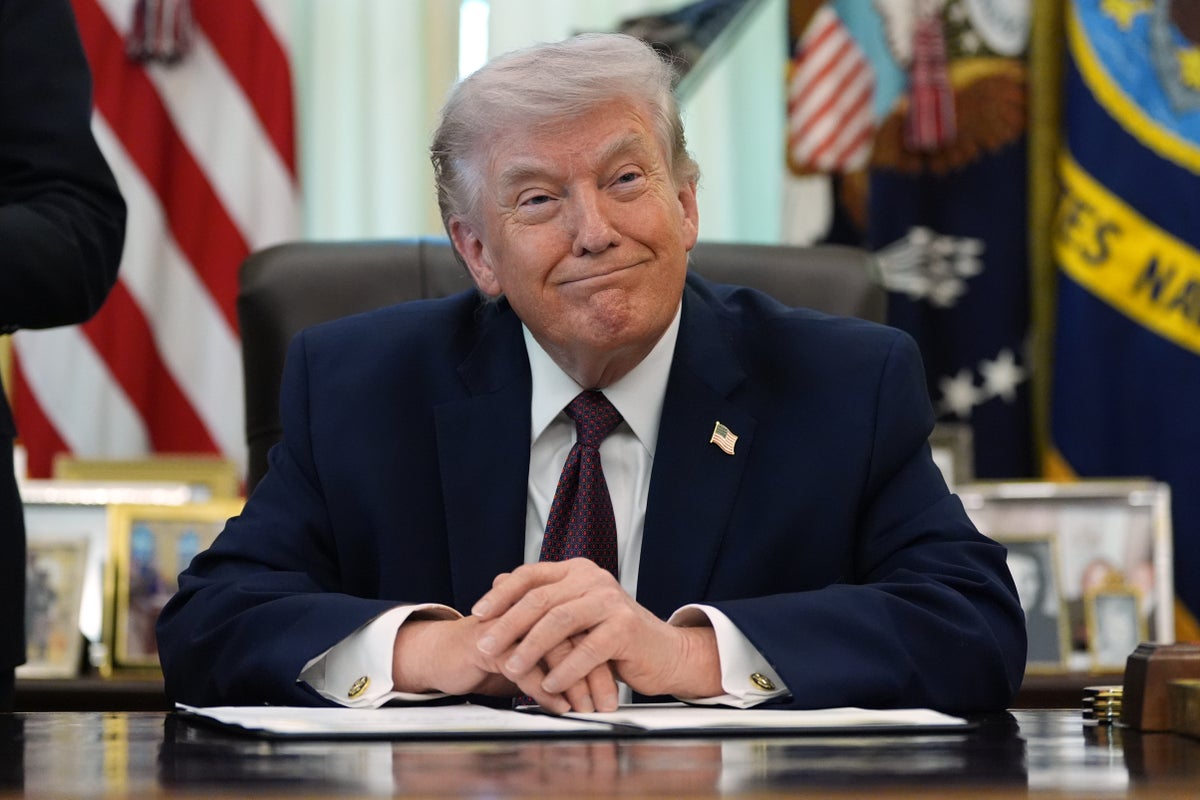
Trump said the Iran conflict will end in "two to three weeks" and predicted oil prices would tumble, but missile and drone strikes persist — an Iranian drone hit fuel tanks at Kuwait International Airport and a tanker was struck off Qatar. A UN report warns up to 4 million people across the Gulf could be pushed into poverty and estimates Arab economic losses of $120–$194 billion from disrupted energy supply chains. Expect risk-off flows, elevated oil-price volatility and regional supply-risk premia that could pressure energy-dependent assets and Gulf markets in the near term.
Immediate market transmission will be dominated by logistics and insurance frictions rather than crude geology: higher war-risk premia and rerouting increase tanker voyage days and TC rates, mechanically widening spot Brent/WTI price bands by $8–15/bbl for short shocks and lifting tanker-equity free cash flow by multiples. US onshore production remains the marginal supplier, but capex discipline and well lead times mean meaningful supply response is measured in months, not days — so price shocks will be front-loaded and volatile.
Credit and fiscal second-order effects in hydrocarbon-exporting states are underpriced in public markets; sovereign and regional-bank funding costs can ratchet higher if exports are interrupted for multiple quarters, leading to domestic fiscal tightening and potential asset sales that depress regional equity multiples. Separately, petrochemical and refined-product spreads will reprice asymmetrically: products with limited regional storage (jet fuel, naphtha) will see outsized margin moves, benefitting integrated refiners with flexible feedstock sourcing while straining pure-play chemical exporters in Asia.
Tail outcomes are binary and fast: a meaningful impairment of chokepoints or insurance collapse can push crude >$100 within days; conversely, coordinated supply mitigation (SPR releases + incremental Gulf capacity) can normalize prices within 4–8 weeks. Options gamma, CTAs, and dealer balance-sheet constraints make the interim path non-linear — expect quick snap-backs that create tactical buying/selling windows rather than sustained single-direction trends.
AI-powered research, real-time alerts, and portfolio analytics for institutional investors.
Overall Sentiment
strongly negative
Sentiment Score
-0.65
