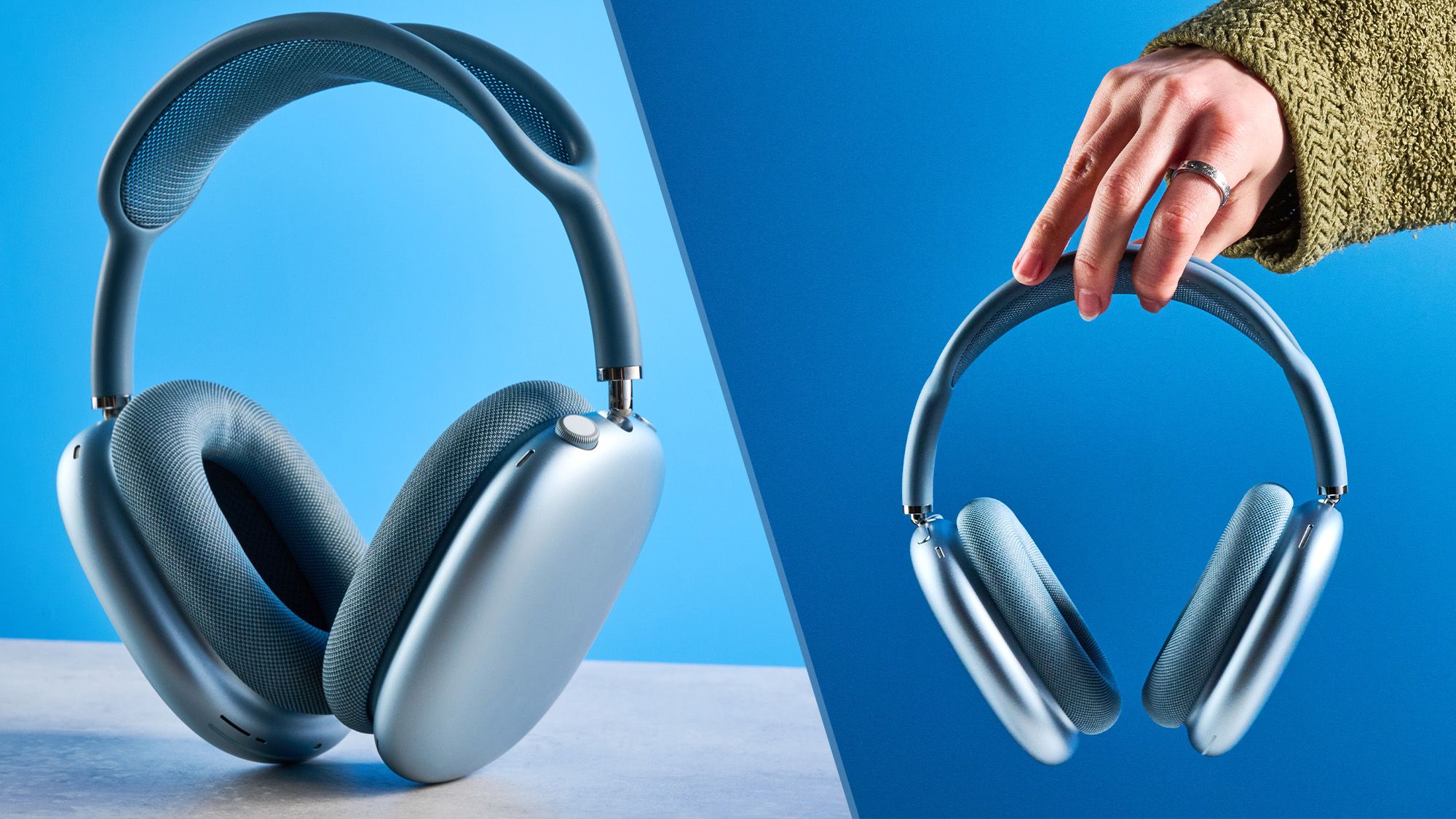
Apple launched the AirPods Max 2 at the same MSRP of $549; reviewer scorecard rates the Max 2 83 vs 67 for the original. The Max 2 adds the H2 chip (features: seamless Siri, Camera Remote, Live Translation, Head Gestures, Personalized Volume), noticeably improved ANC and sound/call quality, while battery life remains unchanged at 20 hours and weight/design are unchanged. The review suggests the new model should drive upgrade demand and prompt discounts/clearance on original AirPods Max inventory, but impacts are limited to retail/competitive positioning rather than broader market moves.
The AirPods Max 2 release is less about unit volume and more about ecosystem entrenchment: a modest hardware refresh can materially raise high-margin services engagement and accessory spend if it nudges even a few percent of existing device users to upgrade. Rough math: 2–4m premium over-ear units at a $500+ ASP translates into roughly $1.1–2.2bn of near-term revenue — enough to move accessory and services KPIs even if it’s immaterial to total corporate sales. Expect Apple to monetize upgrades via trade-in channels and certified refurbished flows, preserving gross margins while accelerating replacement cycles.
Competitors face asymmetric pressure. Incumbent audio leaders will need to fight on promotions or product differentiation (battery/weight), which will compress price realization in the premium segment over the next 3–9 months; component suppliers (MEMS mics, SoC vendors for active noise and spatial processing, premium driver manufacturers) will see a short pulse of demand reallocation toward Apple’s supply chain. Retailers and used-market platforms should experience a two-phase dynamic: immediate discounting of first-gen inventory, then a longer tail in certified-refurb pricing that caps resale values and dents margins for secondhand sellers.
Key risks: macro-driven discretionary weakness or a competing launch that meaningfully outperforms on battery/weight could reverse upgrade momentum within quarters. A contrarian read is that the product’s deficiencies (weight, battery endurance) limit its addressable upgrade pool — if only 30–40% of current AirPods Max owners upgrade, the headline revenue uplift is muted and discounting of legacy stock could temporarily hit Apple’s ASPs and benefit value competitors instead.
AI-powered research, real-time alerts, and portfolio analytics for institutional investors.
Request DemoOverall Sentiment
moderately positive
Sentiment Score
0.45
Ticker Sentiment
