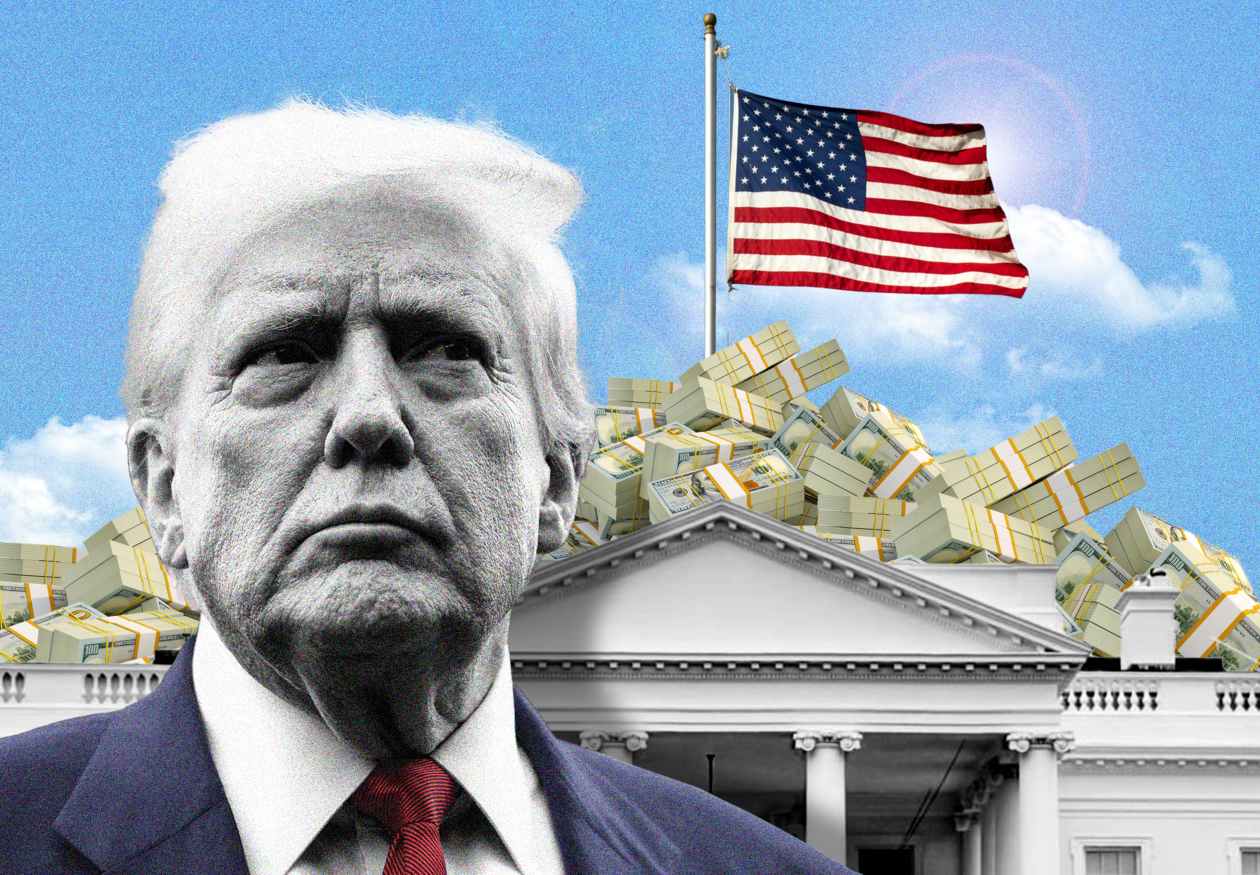
The Trump administration is reportedly implementing a new "strategic trade policy" that allows previously banned technology exports, such as Nvidia's H20 chips to China, in exchange for a 15% revenue share, effectively transforming export controls into a corporate tax. This "pay-to-play" model, exemplified by Nvidia's $20 billion deal yielding $3 billion for the U.S. Treasury, creates a significant new government revenue stream while potentially impacting corporate gross margins by 5-15 percentage points and linking U.S. financial interests to the economic success of countries it aims to contain. The article suggests this precedent could lead to widespread government "permission rackets" and global copycat policies, fundamentally altering how companies navigate international trade.
The Trump administration's reported new trade policy marks a significant pivot, transforming national security-based export controls into a direct revenue-generation mechanism for the U.S. government. This "pay-to-play" model is exemplified by a deal allowing Nvidia to sell 1.5 million H20 chips to China for approximately $20 billion, a market from which it was previously banned, in exchange for a 15% revenue share payable to the U.S. Treasury. This arrangement nets Nvidia an estimated $17 billion in new revenue while providing the government with $3 billion. Advanced Micro Devices is subject to a similar structure. However, this access comes at a cost, with Bernstein analysts calculating a potential 5 to 15 percentage point reduction in gross margins for the participating companies. The policy extends beyond revenue sharing, as seen with the government reportedly taking a 15% equity stake in rare-earth producer MP Materials, suggesting a more interventionist approach. The primary risk highlighted is precedent; this framework could be adopted by other U.S. agencies, turning regulatory approvals into transactional fees, and could also inspire retaliatory or copycat policies from other nations, fundamentally altering global trade dynamics. Furthermore, the policy creates a strategic paradox where U.S. government revenue becomes directly linked to the economic success of a strategic competitor, potentially compromising long-term geopolitical objectives for short-term financial gain.
AI-powered research, real-time alerts, and portfolio analytics for institutional investors.
Overall Sentiment
strongly negative
Sentiment Score
-0.75
Ticker Sentiment
