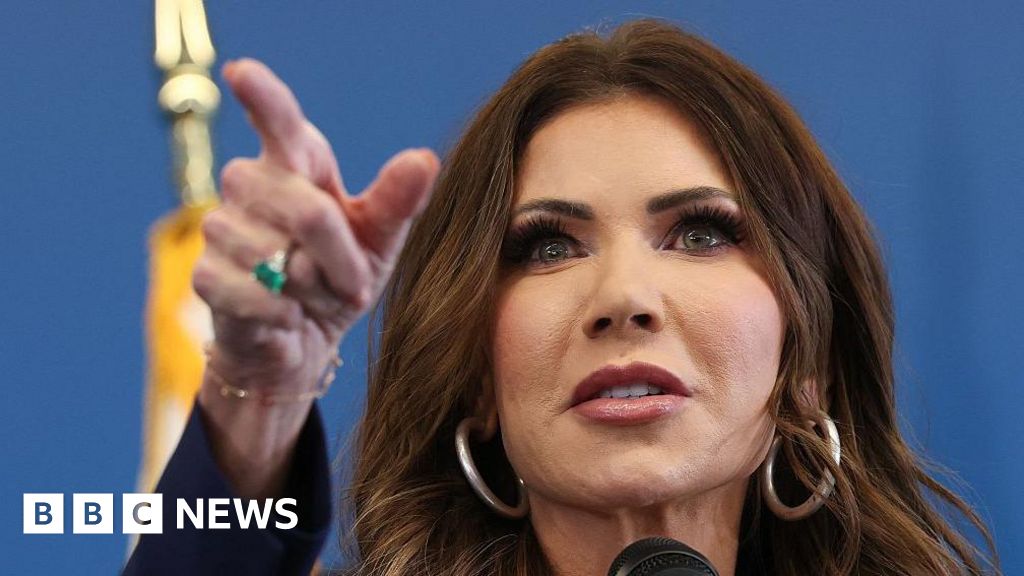
The Trump administration announced it will deploy “hundreds more” federal ICE and Border Patrol officers to Minneapolis amid large protests after an ICE agent shot and killed 37-year-old Renee Nicole Good; Homeland Security Secretary Kristi Noem said officers would arrive “today and tomorrow.” Local officials dispute the federal account, Minneapolis police estimated “tens of thousands” attended an “ICE out of Minnesota” rally, and 31 arrests were reported over two days; the FBI has opened a federal probe while Minnesota officials plan a separate inquiry. The incident has escalated political conflict between federal and local officials and could increase scrutiny of immigration enforcement and local public-safety risks in the region.
Market structure: Federal deployments mechanically favor DHS/defense/security suppliers (L3Harris LHX, Lockheed LMT, Northrop NOC, CACI CACI, Booz Allen BAH) and analytics vendors (Palantir PLTR) via accelerated demand for tactical gear, surveillance and contract services; expect a 2–6% positive catalyst window over 3–12 months if regional deployments convert to contracts. Local losers are Minneapolis-headquartered retail/bank names (Target TGT, Best Buy BBY, U.S. Bancorp USB) from store disruptions and reputational/headline risk; localized revenue hits of 0.1–0.5% of national sales could compress quarterly EPS by ~1–3% per affected name.
Risk assessment: Tail scenarios include nationwide escalation (protests in >5 major metros for >2 weeks) that would lift risk premia — Treasury yields could fall 10–30bp and muni spreads widen 20–50bp in a flight-to-safety; conversely a rapid de-escalation or federal budget denial removes upside for contractors. Hidden dependencies: DHS appropriations timing, FBI/state investigation outcomes, and November election rhetoric will materially alter flows; catalysts to watch in 30–90 days are DOJ findings, DHS contract announcements, and House/Senate budget marks.
Trade implications: Direct plays include modest longs in LHX/LMT (2–3% portfolio each) and a smaller PLTR position (1–1.5%) with 3–12 month horizons; pair trade long LHX vs short TGT (1–2%) if store closures persist >3 days. Options: use 3-month call spreads on LHX (5–12% OTM) to cap cost and buy 3-month puts on TGT (5% OTM) as insurance; add a 0.5–1% VIX futures hedge if protests spread to >3 cities within 7 days.
Contrarian angles: Consensus assumes only defense wins — neglecting procurement scrutiny and reputational risk that can delay revenue (historical 2019–2021 procurement freezes). If Minneapolis muni spreads widen >30bp without credit deterioration, that dislocation is a buy-the-dip opportunity (mean reversion in 3–6 months). Also, surveillance vendors like PLTR face regulatory backlash; size positions accordingly to avoid headline-driven drawdowns.
AI-powered research, real-time alerts, and portfolio analytics for institutional investors.
Request DemoOverall Sentiment
moderately negative
Sentiment Score
-0.45
