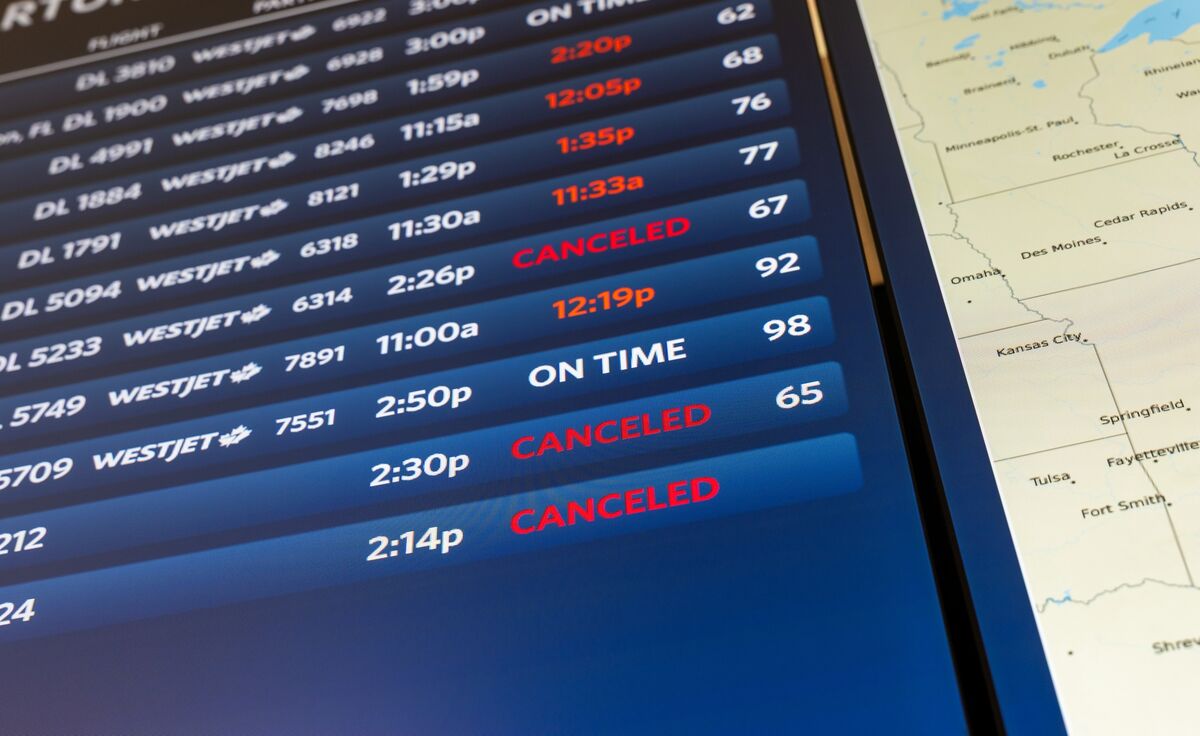
The US Transportation Department, under the Trump administration, has abandoned a Biden-era initiative that sought to mandate airlines provide meals, hotels, and cash compensation for significant flight disruptions. Citing a lack of legal authority and skepticism regarding the plan's ability to improve airline performance, this decision removes a potential regulatory burden and associated cost imposition on the airline industry.
The US Transportation Department, under the Trump administration, has officially abandoned a Biden-era initiative that aimed to mandate airlines provide compensation for significant flight disruptions, including meals, hotels, and cash payouts. This decision reverses a proposed regulatory change that would have imposed new financial obligations on carriers.
The department cited a lack of existing legal authority to enforce such reimbursements and expressed skepticism that these changes would yield meaningful improvements in airline flight performance. This move signals a shift in regulatory philosophy, potentially favoring reduced government intervention in airline operational policies.
The abandonment of this mandate removes a significant potential regulatory burden and associated cost imposition on the airline industry. This development is likely to be viewed as moderately positive for airline operators, as it alleviates future compliance costs and potential liabilities related to passenger compensation.
AI-powered research, real-time alerts, and portfolio analytics for institutional investors.
Request DemoOverall Sentiment
moderately positive
Sentiment Score
0.40
