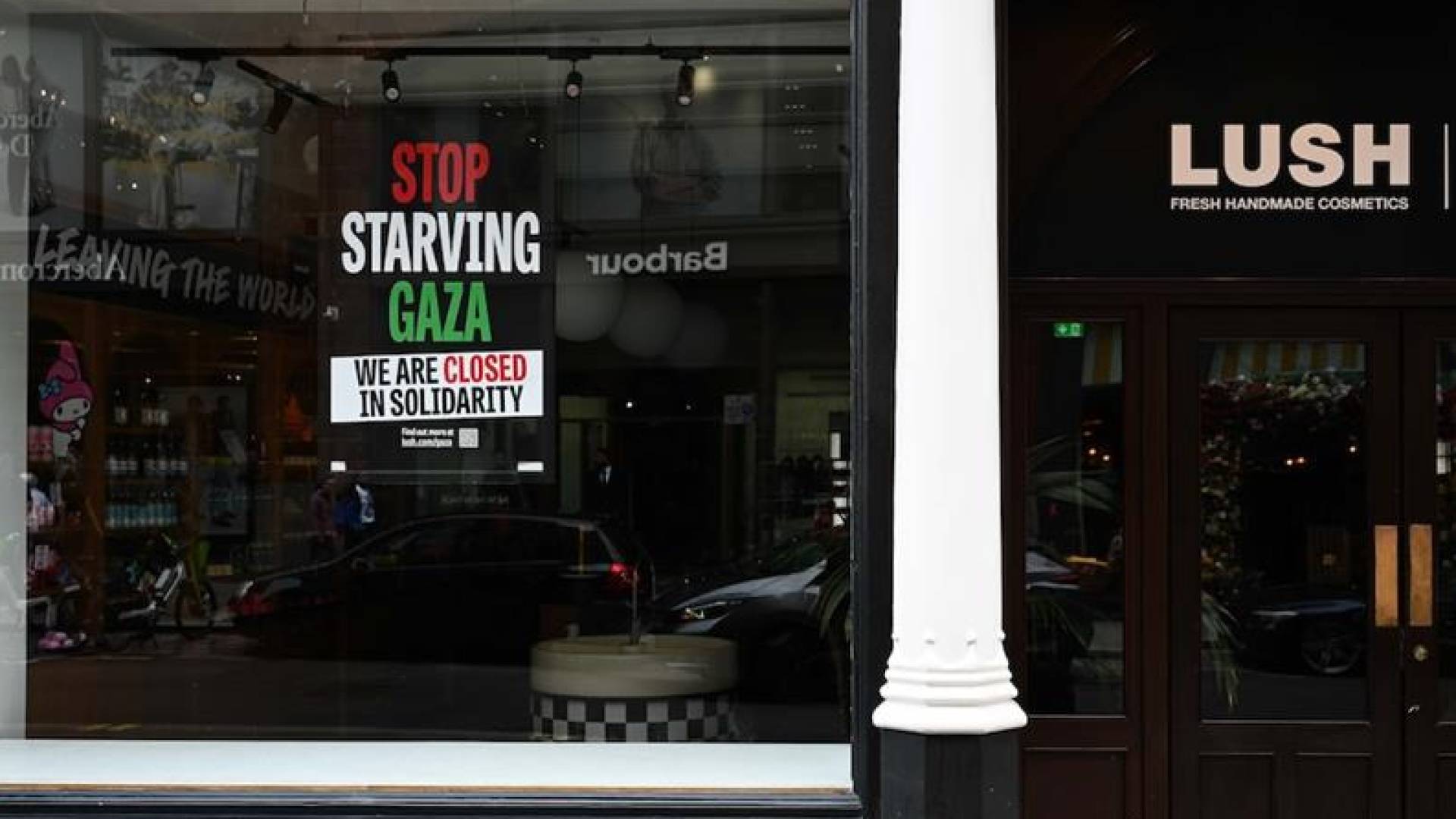
Lush CEO and co‑founder Mark Constantine publicly told customers who oppose his pro‑Palestine stance not to shop at Lush, saying company profits are used to fund humanitarian initiatives for Gaza. In September 2025 Lush closed all 100+ UK stores and its website for one day in solidarity with Palestinians, an action the company says cost about £300,000; Lush is privately owned, operates 869 outlets across 50+ countries and reports annual turnover of £690m. The remarks heighten reputational and consumer‑demand risk that could trigger localized boycotts or activism-driven sales swings, though the direct one‑day revenue hit was small relative to reported turnover.
Market structure: The direct economic impact on Lush is tiny vs scale—£300k lost from a one‑day UK shutdown vs annual turnover £690m (≈0.04%). The real vector is reputational: niche ethical/activist brands could see volatile same‑store sales swings of 1–5% in weeks following headline activism, benefiting neutral mass‑market consumer staples (e.g., PG) that capture flight‑to‑safety share. Pricing power for niche players is intact long term but short‑term demand elasticity rises as consumers polarize along political lines.
Risk assessment: Tail risks include organized boycotts or targeted protests that depress quarterly sales by >5% (high impact, low prob), or regulatory scrutiny in certain markets; expect social‑media driven volatility over next 7–30 days, measurable sales impacts in 1–3 months, and potential brand erosion over 2–4 quarters. Hidden dependencies: wholesale/partner channels and franchisees may disaffiliate, creating step‑function revenue loss. Catalysts: viral amplification, competitor responses, or statements from major retailers that either distance themselves or align politically.
Trade implications: Publicly traded beneficiaries: Procter & Gamble (PG) and Colgate‑Palmolive (CL) as safe consumer staples; potential short candidates include high‑multiple specialty retail ETFs or names with activist identities (XRT overweight hedges). Options: target 1–3 month put spreads on retail/consumer discretionary ETFs if social sentiment worsens. Credit: expect modest widening (10–50bps) in single‑B small‑cap retail bonds on sustained boycotts.
Contrarian angles: Consensus treats these episodes as purely reputational; that understates durable customer sorting—some consumers will permanently shift spend. Reaction may be overdone for diversified global majors; underdone for small, activist‑branded independents where a 3–10% revenue shock can force margin compressions or M&A at discounts. Historical parallels (Boycott cycles 2010s) show 6–12 month mean reversion for big caps but multi‑year impairment for niche brands.
AI-powered research, real-time alerts, and portfolio analytics for institutional investors.
Request DemoOverall Sentiment
mildly negative
Sentiment Score
-0.25
