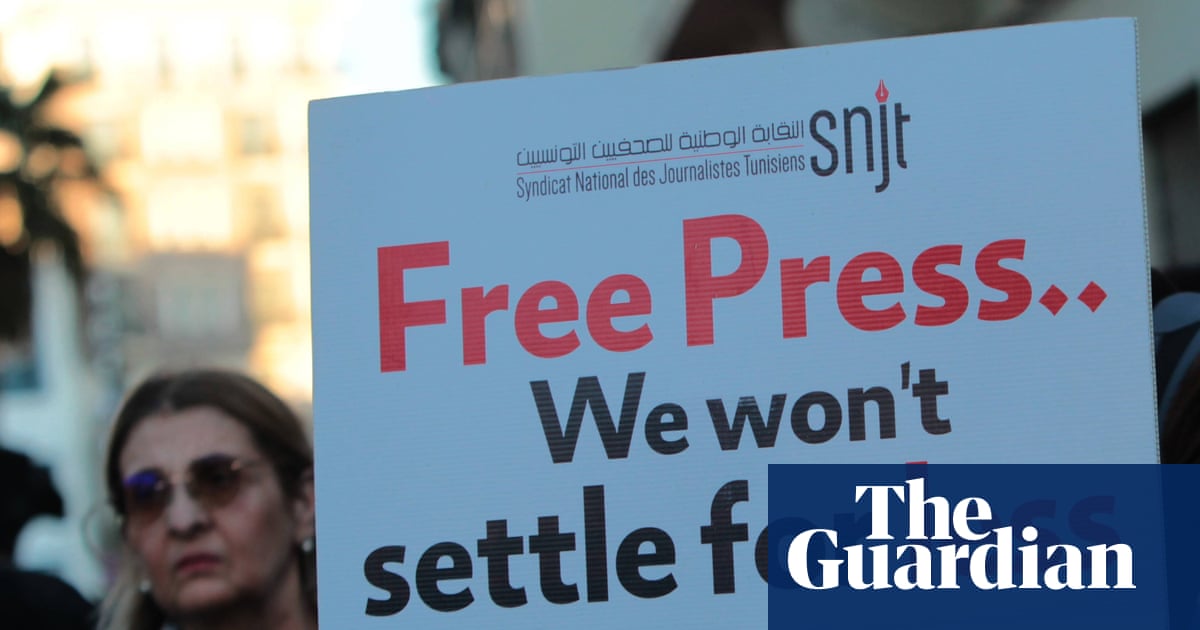
The World Press Freedom Index recorded its lowest average score in 25 years, with more than half of countries now in the “difficult” or “very serious” press-freedom categories and less than 1% of the global population living in countries rated “good.” RSF cited rising legal restrictions, national security laws, war-related killings of journalists, and political hostility as key drivers, while the US fell to 64th place and Russia was said to hold 48 journalists behind bars. The findings point to worsening global conditions for media organizations and a more restrictive operating environment for journalism.
The immediate market read-through is not just reputational damage to publishers; it is a higher structural cost of information in geopolitically sensitive markets. When governments intensify legal pressure and platforms become the distribution choke point, the economic moat shifts away from legacy news brands toward entities with state backing, subscription power, or direct audience access. That is incrementally positive for the largest diversified media names with global brands and legal firepower, but negative for smaller publishers whose marginal cost of compliance, security, and litigation rises faster than their pricing power. The second-order effect is on election and war-related information asymmetry: weaker independent reporting increases the probability of mispriced country risk, especially in frontier and authoritarian-linked markets. Over 3-12 months, that should widen the valuation discount for EM-facing advertisers, ad-tech intermediaries, and platforms exposed to content moderation and local censorship regimes. It also raises operational risk for firms with expatriate staff, in-country bureaus, or supply chains that depend on local press scrutiny to surface corruption, labor, or sanctions issues early. For NYT specifically, the headline is directionally supportive over a 6-18 month horizon because scarcity of trusted reporting can reinforce subscription willingness among high-intent readers and institutions. The bigger risk is that public hostility and platform dependence keep CAC elevated while legal/security expenses remain sticky, limiting operating leverage. The market may still underappreciate how quickly a deteriorating press environment translates into lower ad yield and higher churn for mid-tier outlets that cannot monetize trust as effectively. The contrarian angle is that this is not purely bearish for media: the crackdown can consolidate share into a few premium global brands and accelerate audience flight away from commoditized traffic. If the market treats the whole sector as structurally impaired, that creates relative-value opportunities in quality publishers versus ad-dependent intermediaries and weaker regional outlets. The timing matters: litigation, regulatory changes, and newsroom security costs usually hit margins before they show up in top-line trends, so the next 2-4 quarters are the window to position before consensus revisions catch up.
AI-powered research, real-time alerts, and portfolio analytics for institutional investors.
Request DemoOverall Sentiment
strongly negative
Sentiment Score
-0.75
Ticker Sentiment
