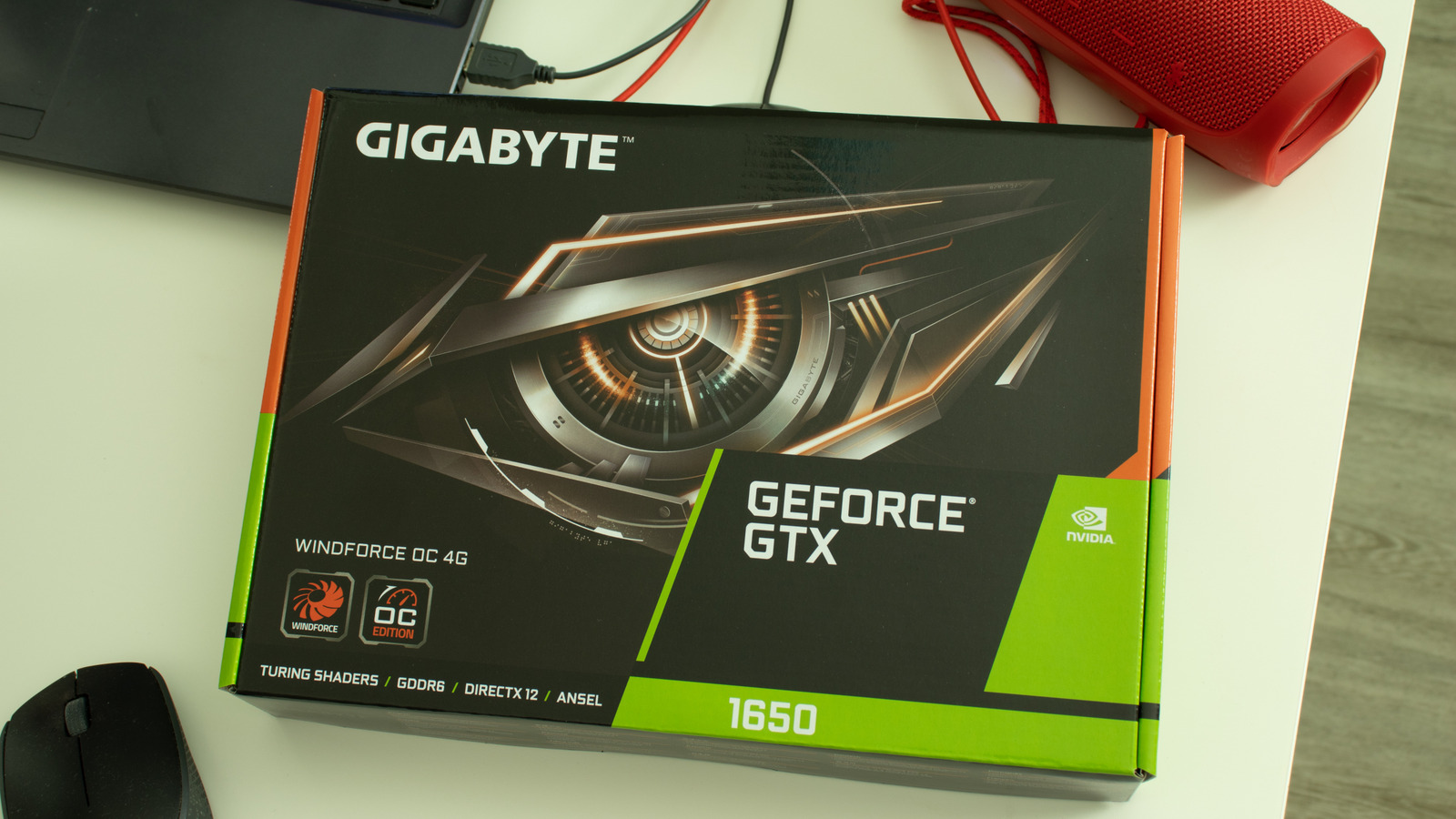
Nvidia has ended feature updates for Maxwell, Pascal and Volta architecture GPUs with the 580-series Game Ready branch (last driver 590.44.01 released Dec. 2, 2025), while quarterly security patches for these cards will continue only through October 2028, after which support stops entirely. Popular legacy cards such as the GeForce GTX 1060 and 1050 Ti are affected (GTX 1060 was 15th on Steam at 1.86% share in Nov. 2025), a move Nvidia says frees engineering resources for next‑gen products and AI-focused development; users retain basic functionality but face degraded feature/performance updates and an eventual increased security risk post‑2028.
Market Structure: Nvidia’s formal sunsetting of Maxwell/Pascal/Volta shifts demand toward current Ampere/Hopper/Product cycles and accelerates paid upgrade flows over a 3-year window (feature updates stop now; security updates end Oct 2028). Winners: NVDA (pricing power on new GPUs, data-center/AI push) and OEMs selling upgrades (BBY, PC integrators); losers: secondary-market sellers and makers of legacy-dependent software/hardware. Expect modest upward pricing power for new mid-to-high-end GPUs (+5–15% MSRP realization possible) as used-card supply temporarily cushions retail demand.
Risk Assessment: Tail risks include regulatory export controls (US/China) on AI GPUs, which could cut NVDA revenue >15% in 12–24 months, and an extended second-hand market that delays upgrades by >2 years suppressing TAM. Immediate (days) impact is negligible; short-term (weeks–months) could see modest NVDA volatility around product cadence; long-term (2026–2028) is materially positive if AI demand sustains. Hidden dependency: game-optimized driver termination may depress gamer upgrade urgency but will not affect data-center GPU demand.
Trade Implications: Direct tactical trade is pro-NVDA exposure to AI/product-cycle upside: prefer defined-risk option structures (6–9 month call spreads) to capture asymmetric upside while limiting drawdown from gaming-cycle noise. Complement with selective AMD (AMD) exposure to capture price-sensitive upgrade demand in mass-market GPUs and retail uplift (BBY exposure via small allocation). Hedge tail legal/regulatory risk with buying 12–18 month long-dated puts on NVDA sized to 25–33% of options longs.
Contrarian Angles: Consensus treats this as neutral housekeeping — missing is the reallocation of R&D/drivers to AI-focused stacks which could accelerate Hopper+ successor cadence, driving NVDA 2026 revenue acceleration >10% CAGR versus street. Reaction is likely underdone: if NVDA announces a mid-2026 AI-GPU refresh, expect a 10–20% re-rating compressed into 90 days. Unintended consequence: robust buy-in for new GPUs could tighten H2 2026 semiconductor supply (memory/packaging), lifting component suppliers ahead of NVDA re-rating.
AI-powered research, real-time alerts, and portfolio analytics for institutional investors.
Request DemoOverall Sentiment
neutral
Sentiment Score
0.00
Ticker Sentiment
