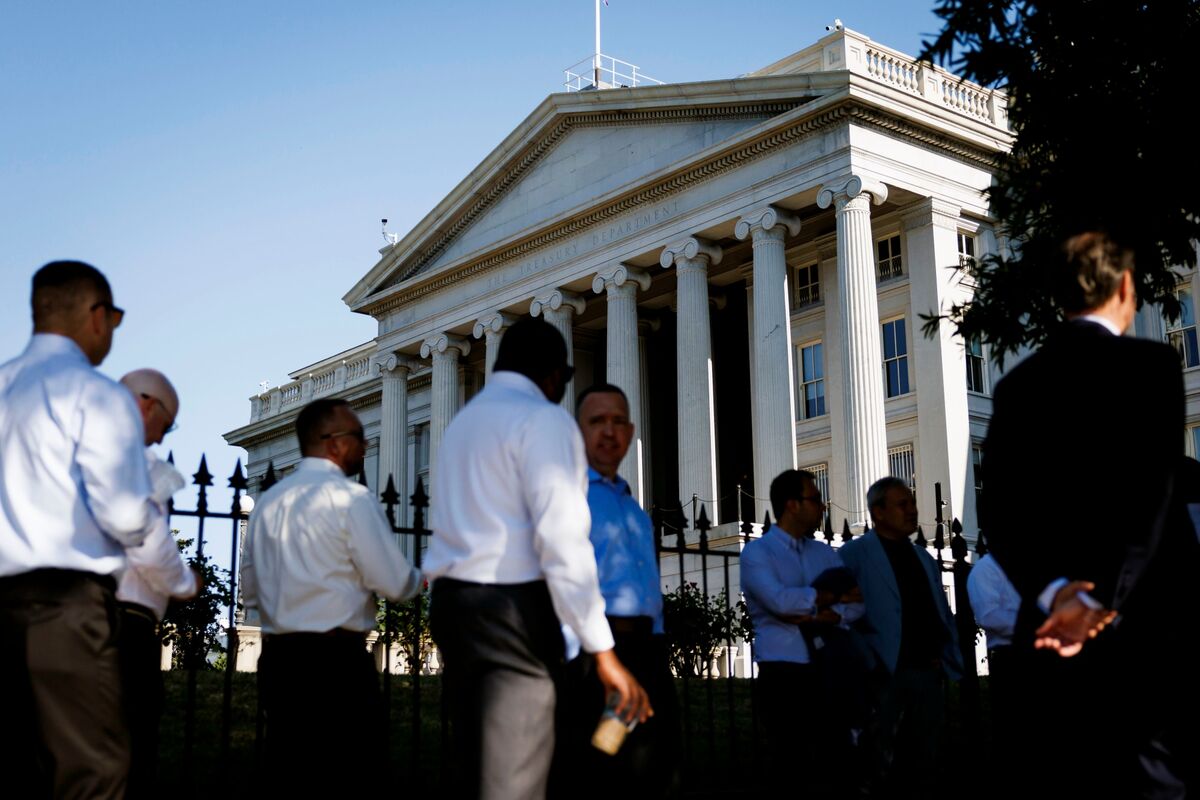
Following the lifting of the US debt ceiling, the Treasury is preparing to replenish its cash buffer, though at a significantly lower volume than in 2023. Wrightson ICAP projects approximately $450 billion in net bill issuance for Q3, a substantial reduction from the $1.1 trillion issued in Q3 2023 after the previous debt ceiling suspension, suggesting a potentially less disruptive impact on short-term funding markets this time.
Following the resolution of the US debt ceiling, the Treasury is poised to replenish its cash reserves, but at a significantly moderated pace compared to the previous cycle. Wrightson ICAP forecasts net bill issuance of approximately $450 billion for the third quarter, a figure that is less than half the $1.1 trillion issued during the same period in 2023. This substantial reduction in supply implies a considerably less disruptive impact on short-term funding markets. The massive issuance in 2023 acted as a significant drain on banking system liquidity, putting upward pressure on short-term rates. The current, more measured approach to rebuilding the Treasury's cash balance is expected to result in a more stable environment for money markets and bank reserves, mitigating a key source of volatility seen in the prior instance.
AI-powered research, real-time alerts, and portfolio analytics for institutional investors.
Request DemoOverall Sentiment
neutral
Sentiment Score
0.10
