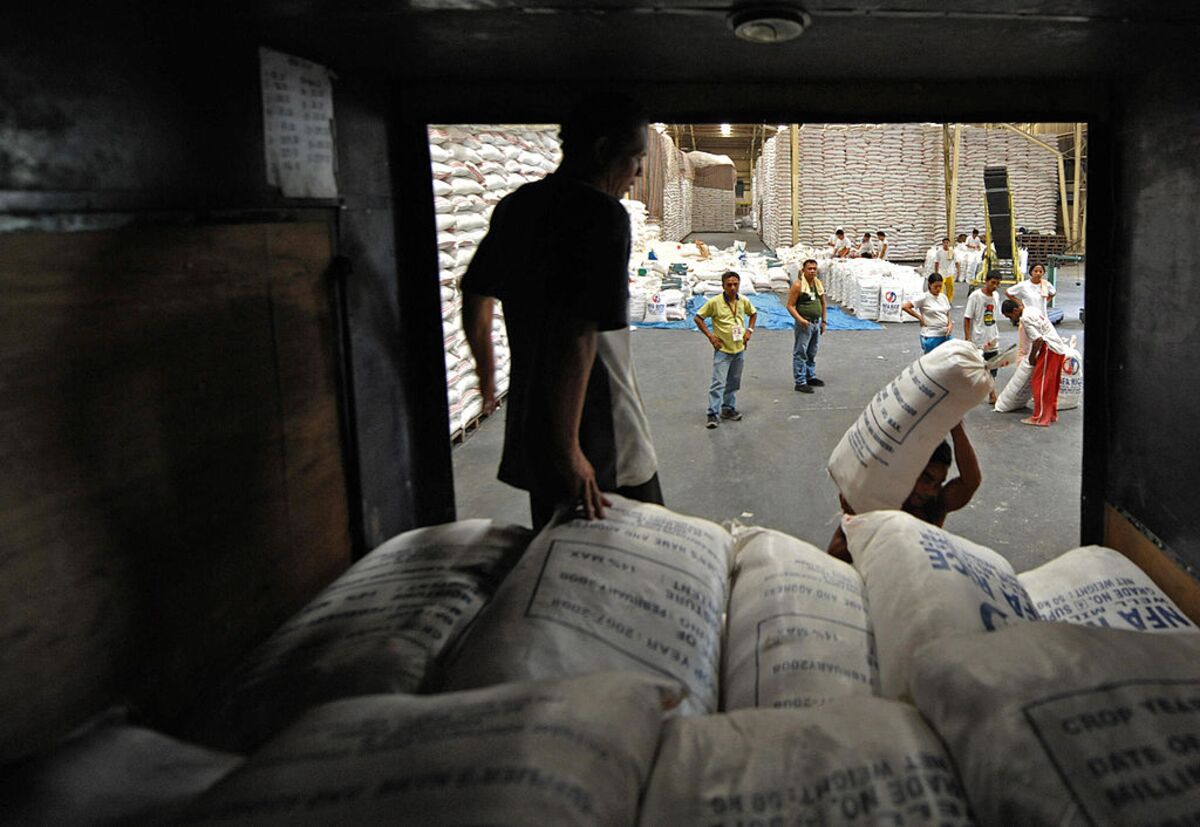
The Philippines, the world's leading rice importer, has established new guidelines for rice tariff adjustments, effective January 1, 2026, which will link tariffs to international prices. President Ferdinand Marcos Jr.'s executive order follows an extension of the current 15% rice import tariffs until the end of this year, signaling a significant policy shift for a critical global commodity market.
The Philippines, the world's leading rice importer, has enacted a significant policy shift regarding its rice import tariffs, effective January 1, 2026. President Ferdinand Marcos Jr.'s executive order mandates that future tariff adjustments will be dynamically linked to movements in international rice prices. This decision follows an extension of the current 15% rice import tariffs until the end of the current year.
This new framework introduces a variable tariff mechanism, replacing the previously fixed rate, which could introduce new dynamics into global rice pricing and supply chains. As the top importer, the Philippines' tariff structure holds substantial implications for international agricultural commodity markets. The policy aims to stabilize domestic rice prices by allowing tariffs to fluctuate with global market conditions.
While the immediate sentiment surrounding this announcement is neutral, the moderate market impact score of 0.6 indicates its perceived significance within the commodities sector. This strategic move reflects the Philippines' efforts to manage food security and inflation. Investors should closely monitor the implementation of this policy and its subsequent effects on international rice benchmarks and trade flows.
AI-powered research, real-time alerts, and portfolio analytics for institutional investors.
Overall Sentiment
neutral
Sentiment Score
0.00
