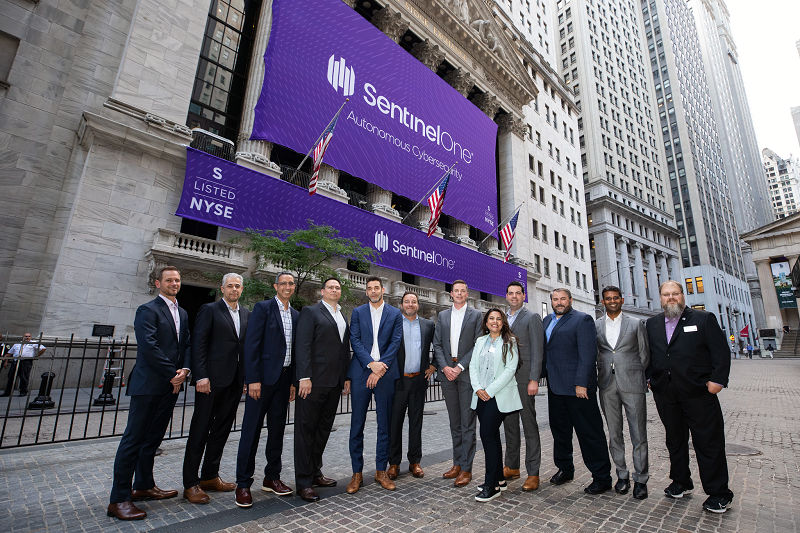
Barry L. Padgett sold 15,460 SentinelOne shares on April 6, 2026 at $13.41 for $207,318; the sale was mandated to cover tax withholding related to RSU vesting and is non-discretionary. SentinelOne is valued at $4.58B, its stock is down ~18% over the past year and trades near a 52-week low of $12.15; analysts (TD Cowen Buy PT $22; Cantor Fitzgerald Overweight) maintained positive ratings after Q4 FY26 results (revenue in line, ARR growth) and launches of new AI security products. Separately, Sherritt completed a non‑brokered private placement raising ≈$43.5M by issuing ~207M shares at $0.21 (Seymour Schulich subscribed 68.6M shares for ≈$14.4M) and plans to raise up to $50M via a similar placement.
SentinelOne’s AI-focused product push creates an asymmetric competitive dynamic: incumbents with broad enterprise footprints will rush to graft similar model-protection features into platform suites, compressing standalone SaaS price points, while niche vendors that specialize in adversarial testing and red-teaming stand to see accelerated demand as enterprises seek external validation. That bifurcation benefits specialist security consultancies and tooling vendors that can certify AI defenses, and it increases switching costs for customers that adopt an integrated runtime-protection stack early.
Near-term catalysts are product adoption proofs and renewal/ARR beats that validate the narrative; expect meaningful re-rating windows on quarterly results within the next 3–9 months if customers move from pilots to paid deployments at scale. Conversely, a single high-profile bypass of the new defenses or a delayed cross-sell cadence could reverse momentum quickly — market patience for proof points is measured in quarters, not years. Macroeconomic pressure on mid-market customers and continued negative GAAP earnings create a tail-risk that could cap upside until sustained operating leverage appears.
From a supply/demand perspective, equity issuance and vested-compensation mechanics create recurring float into the market; that supply is likely to keep upside muted absent clear margin expansion or consistent cash flow conversion. M&A is a credible path to value for smaller AI-security players: strategic buyers seeking to close capability gaps may pay premiums, making acquisition optionality a real upside component for remaining small-cap names in the space.
Consensus optimism centers on product wins and analyst reiterations, but it underestimates adoption friction (integration, procurement cycles) and the speed at which attackers adapt. If you already own exposure, horizon-extension and strict event-based re-evaluation (post-ARR/margin inflection) is the prudent approach rather than conviction accumulation today.
AI-powered research, real-time alerts, and portfolio analytics for institutional investors.
Request DemoOverall Sentiment
mixed
Sentiment Score
0.08
Ticker Sentiment
