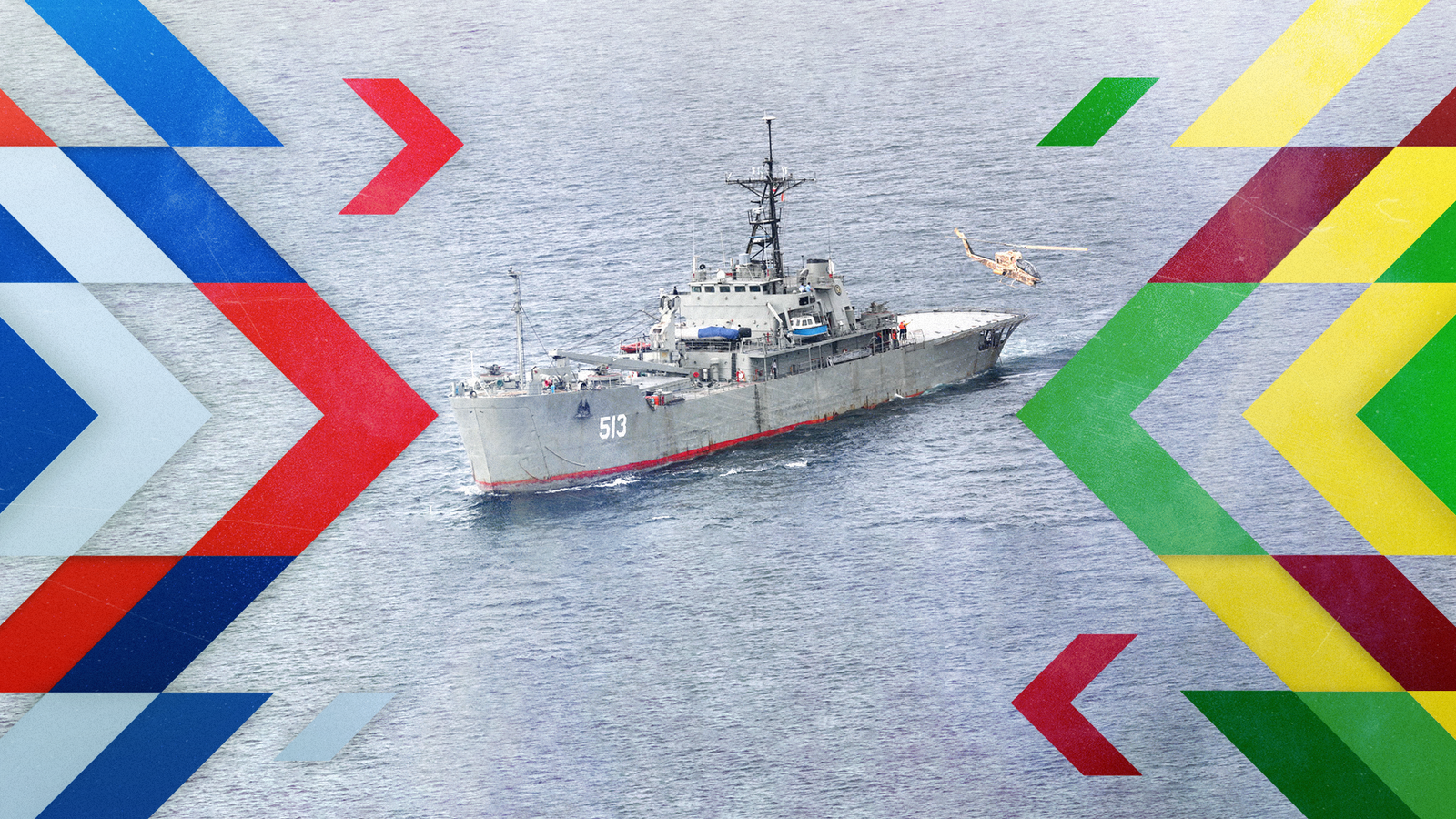
Iran's parliament has voted to close the Strait of Hormuz, a vital chokepoint accounting for approximately 20% of global oil and significant LNG transit, following recent US and Israeli strikes on its nuclear facilities. While a full closure, which US officials warn would be 'economic suicide' for Iran and provoke a strong military response, is considered unlikely by experts, the parliamentary vote signals heightened regional tensions and the potential for targeted shipping disruptions, posing a risk of energy price volatility and broader market uncertainty due to potential miscalculation.
The Iranian parliament's vote to close the Strait of Hormuz signals a significant escalation in geopolitical tensions, directly threatening a waterway responsible for approximately 20% of global oil transit, or 21 million barrels per day, as well as a substantial volume of global LNG. While security experts cited in the article consider a full, sustained closure to be an unlikely high-cost scenario for Iran—termed "economic suicide" by the US and likely to provoke a comprehensive military response—the vote itself introduces substantial uncertainty and a high risk premium into energy and shipping markets. The more probable threat involves targeted disruptions, such as harassment of specific vessels, sea mine deployment, or GPS jamming, similar to the 2019 seizure of the Steno Impero. The primary market risk stems from the potential for miscalculation from either side in a highly volatile environment, which could trigger sharp energy price increases and significant shipping delays irrespective of a full-scale blockade.
AI-powered research, real-time alerts, and portfolio analytics for institutional investors.
Request DemoOverall Sentiment
strongly negative
Sentiment Score
-0.60
