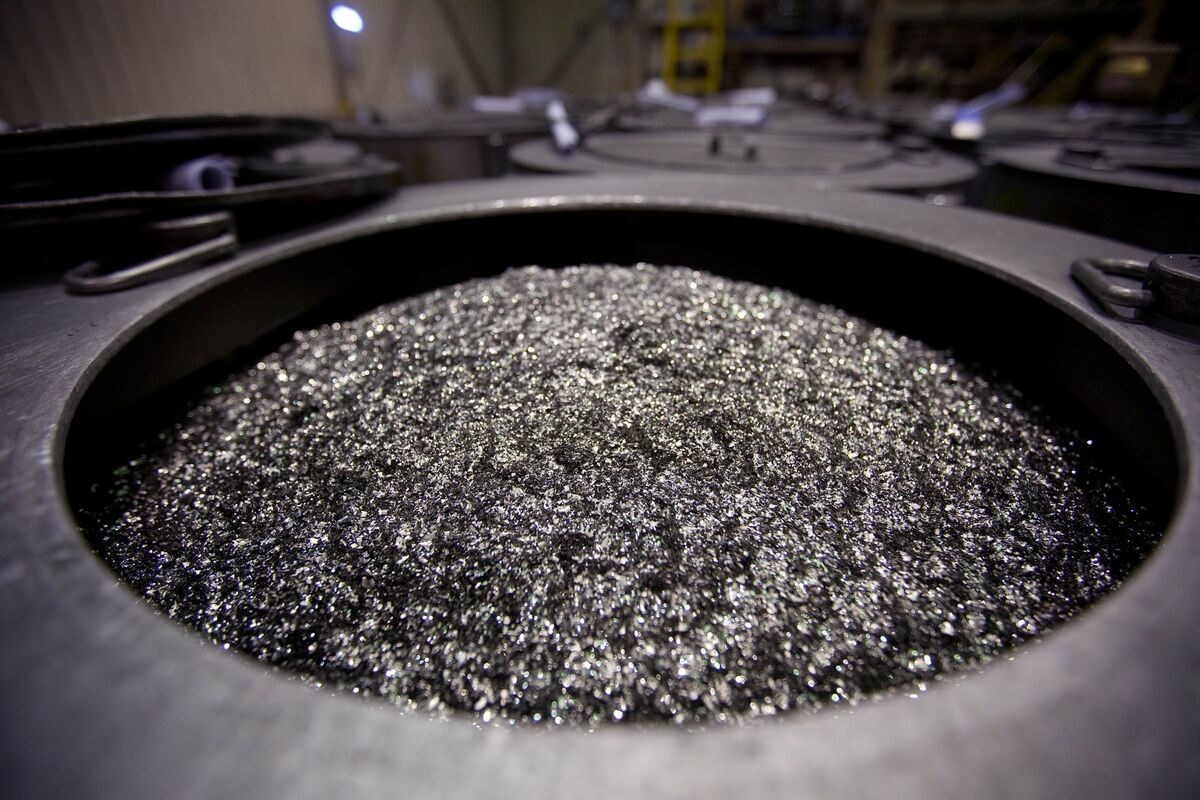
China's rare-earth magnet exports to the European Union surged 21% in August to 2,582 tons, with year-to-date volumes now exceeding three times those sent to the US, which saw a 5% monthly decline to 590 tons. This increasing reliance highlights the EU's heightened exposure to potential US-China trade tensions, contrasting with the US's comparatively reduced dependence on Chinese supply for these critical materials.
A significant divergence in rare-earth magnet trade flows from China highlights the European Union's growing strategic vulnerability. According to Chinese customs data, August exports to the EU surged 21% month-over-month to 2,582 tons, bringing year-to-date volumes to more than triple those of the United States. In stark contrast, shipments to the US declined 5% to 590 tons, indicating a potential strategic reduction in dependency. This trend underscores the EU's deepening reliance on a single source for critical materials essential for sectors like electric vehicles and renewable energy, thereby increasing its exposure to supply chain disruptions stemming from US-China trade tensions. The moderately negative sentiment and uncertain tone associated with this data suggest that the market views this increased reliance not as a simple trade boom, but as a growing geopolitical risk for European industries.
AI-powered research, real-time alerts, and portfolio analytics for institutional investors.
Request DemoOverall Sentiment
moderately negative
Sentiment Score
-0.50
