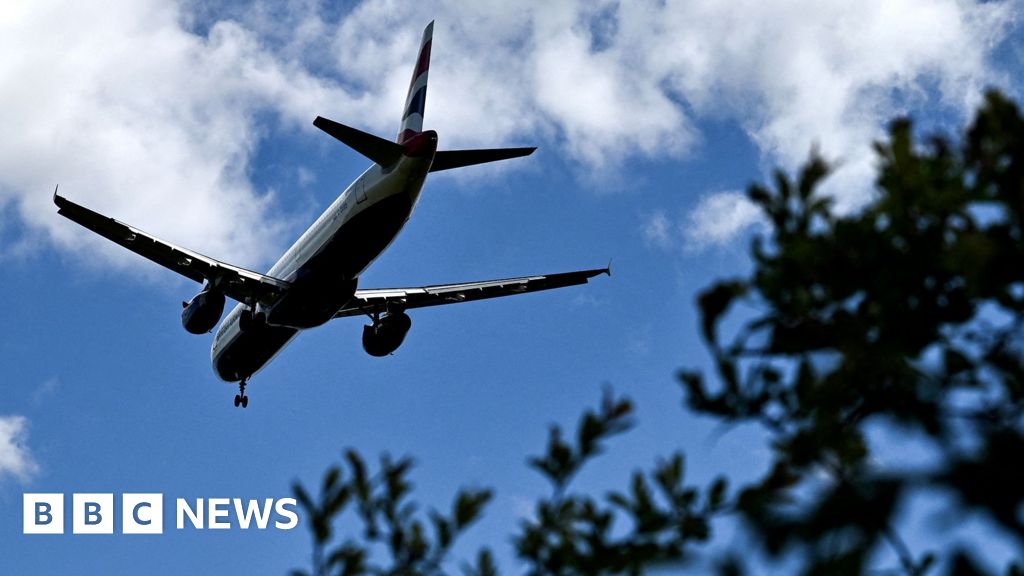
Higher Europe air fares are described as 'inevitable' as the Iran conflict has pushed up jet fuel prices and disrupted supply through the Strait of Hormuz. Willie Walsh warned UK carriers could face fuel shortages in the peak summer period if alternative supply is not secured, though he said panic and widespread cancellations are not expected. The article points to higher ticket prices and continued volatility in airline operating costs potentially lasting into next year.
Airlines are the obvious first-order loser, but the larger trade is in margin dispersion across the travel stack. Network carriers with the weakest fuel hedging and the most leisure exposure will be forced to choose between load factors and yields, while disciplined operators can quietly widen share by maintaining schedules and pushing ancillaries. The more interesting second-order effect is on European package-tour and online travel intermediaries: if headline fares rise into peak booking season, demand may not collapse, but booking windows likely shorten and price sensitivity will shift traffic toward shorter-haul, lower-value itineraries. The market is still underpricing timing risk rather than magnitude risk. Jet fuel spikes matter most when summer capacity is already constrained, because even a modest supply hiccup can force operational inefficiency, aircraft repositioning costs, and last-minute cancellations that hit customer satisfaction before they hit revenue. That means the catalyst path is asymmetric over the next 4-10 weeks: if alternative supply is smooth, airlines can keep repricing; if not, you get schedule disruption and a sharper equity de-rate than the fuel move alone would imply. Contrarian view: the consensus may be too focused on headline fare inflation and not enough on demand elasticity. In Europe, consumers have already shown they will trade down from premium long-haul to shorter, lower-ticket leisure trips; that can cushion traffic volumes enough that the near-term P&L hit is less severe than feared. However, if higher fares persist into next year, the true damage is capacity reallocation: airlines will reduce marginal routes, which benefits incumbent hubs and low-cost carriers with better fleet flexibility, while smaller regional operators and OTA-driven distributors likely lose take-rate momentum.
AI-powered research, real-time alerts, and portfolio analytics for institutional investors.
Overall Sentiment
moderately negative
Sentiment Score
-0.35
