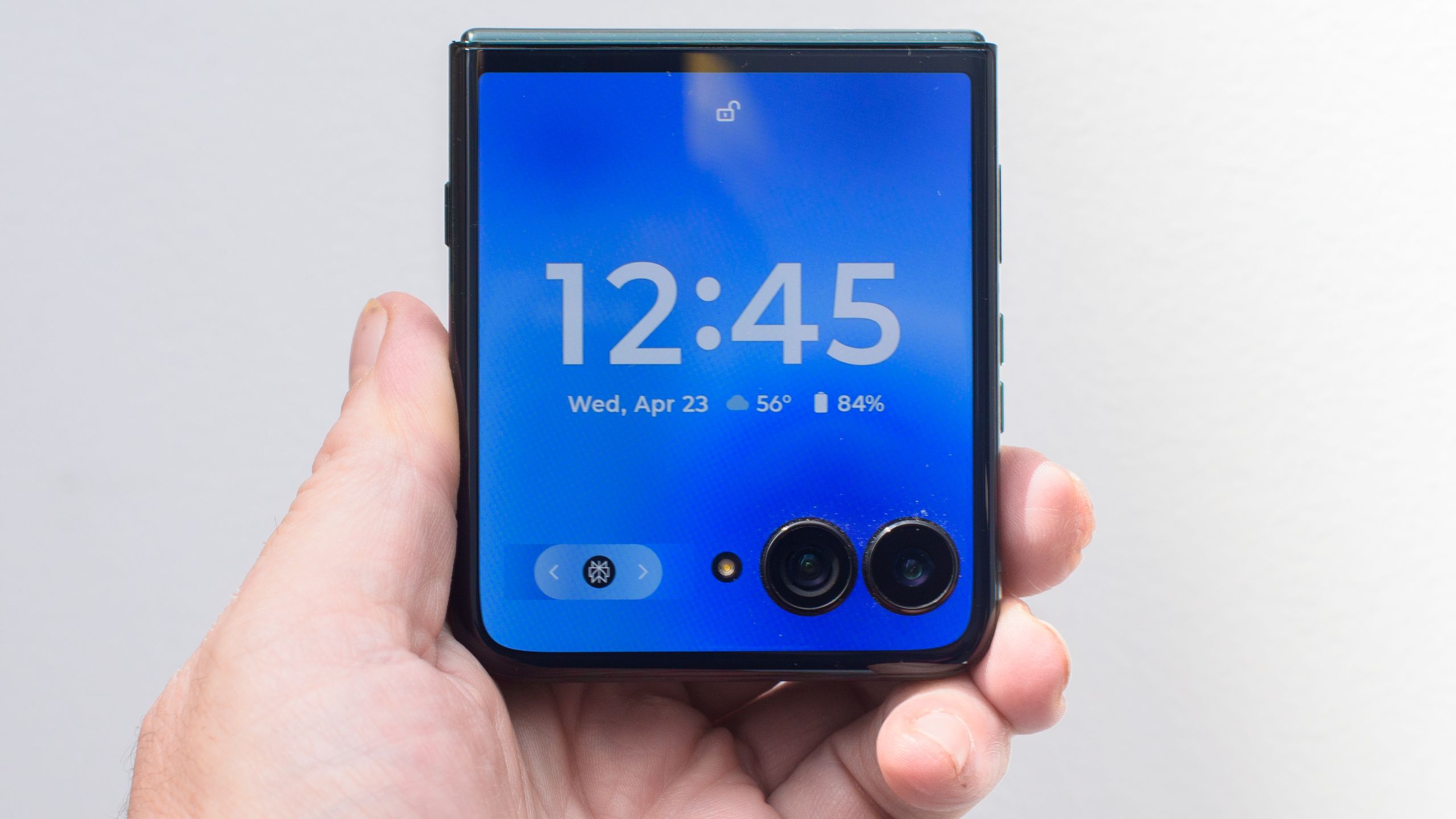
Apple is reportedly testing a flip-style iPhone in addition to the book-style iPhone Fold that is widely expected to debut in 2026 (with some reports tying the Fold to a September iPhone 18 Pro launch), though no decision on mass production has been made. The move would expand Apple’s product form-factor strategy and directly target competitors such as Samsung and Motorola, but the news remains a rumor with limited immediate implications for revenue or supply-chain forecasts until production and launch timelines are confirmed.
Market structure: Apple (AAPL) testing both flip and fold form factors expands addressable premium-phone segments and directly benefits component suppliers (flexible OLED/UTG, hinge makers) while pressuring incumbents who currently lead foldables (Samsung Electronics 005930.KS). If Apple captures 5–10% of global smartphone unit demand with a $100–$300 ASP premium within 12–24 months, that implies incremental revenue of roughly $4–$10B/year — material to margins given Apple’s high operating leverage. Pricing power likely strengthens for AAPL and selected suppliers; mass-market Android OEMs face increased margin pressure or forced price cuts.
Risk assessment: Near-term (days–weeks) market reaction to rumors is small; key windows are supplier earnings and Apple’s September 2026 launch cycle which can move shares and vols. Tail risks: hinge durability or UTG failures triggering recalls, China export controls on advanced displays, or an antitrust investigation that restricts accessory/OS advantages — each could erase product premium and reduce EPS by multiple percentage points. Hidden dependencies include single-supplier concentration (display/hinge) and carrier channel inventory dynamics that can amplify swings.
Trade implications: Expect modest rise in AAPL implied volatility into product cycle — favor directional long-dated calls over short-dated gamma. Cross-asset: stronger AAPL narrative should tighten credit spreads for tech names, lift USD on risk-on, and add demand for specialty glass/metal commodities; treasury duration risk increases if capex expectations rise. Catalysts to trade: supplier order updates (next 90 days), Apple firmware leaks, and September 2026 keynote.
Contrarian angles: Consensus underestimates Apple’s ability to extract premium pricing and margin on a reliable foldable; conversely, market may underprice the operational risk of first-generation hardware. Historical parallels (Apple Watch rollout) show slow early unit adoption but outsized long-term revenue per device — mispricing window is the 6–12 months around launch. Unintended consequence: cannibalization of existing high-margin iPhone SKUs could mute net benefit and deserves active monitoring.
AI-powered research, real-time alerts, and portfolio analytics for institutional investors.
Request DemoOverall Sentiment
neutral
Sentiment Score
0.10
Ticker Sentiment
