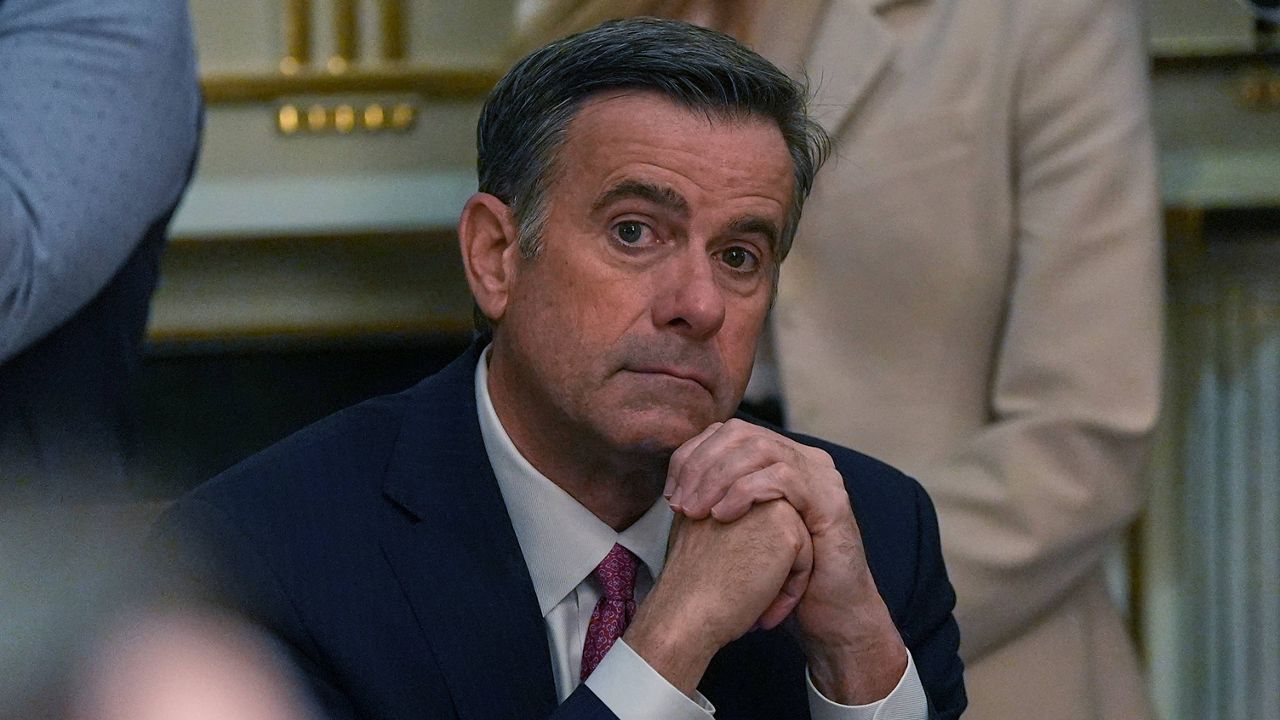
Cuba said CIA Director John Ratcliffe met with Interior Ministry counterparts in Havana on Thursday, May 14, in talks aimed at political dialogue amid strained bilateral relations. The Cuban government argued it poses no threat to U.S. national security and said there are no grounds for its continued designation as a state sponsor of terrorism. The article also highlights ongoing U.S. pressure on Cuba, including Trump’s threats of tariffs on oil suppliers to the island and possible intervention.
This is less about Cuba itself than about a potential shift in U.S. willingness to use sanctions relief as a bargaining chip in a broader Caribbean energy/security negotiation. The market implication is not a direct Cuba trade, but a small reduction in tail-risk for regional refiners, shipping, and upstream counterparties that get caught in a tighter enforcement regime if Washington decides to escalate secondary sanctions. In practice, the highest-beta effect is on the probability distribution of policy outcomes, not near-term barrels. The more important second-order channel is energy logistics: any renewed pressure on oil flows into Cuba reinforces the precedent for extraterritorial enforcement around Venezuelan and Caribbean supply chains. That matters for Gulf Coast refiners and shipping names with exposure to Latin crude differentials, because even a modest tightening of enforcement can widen regional spreads before it shows up in headline crude prices. If dialogue de-escalates, the immediate benefit is to risk assets in the region via lower sanctions premium, but the real repricing would come only if there is a credible path to partial normalization over months, not days. Contrarian angle: the market may be underpricing how little leverage Cuba has in the current U.S. political environment. With domestic politics and election signaling dominating, any positive diplomatic tone can be reversed quickly if it becomes useful to project toughness. So the base case is churn, not resolution; positioning should favor optionality around policy headlines rather than outright directional bets on a durable thaw. The right lens is event risk: low probability of a constructive regime shift, but high convexity if enforcement gets tightened further against third-party suppliers.
AI-powered research, real-time alerts, and portfolio analytics for institutional investors.
Overall Sentiment
neutral
Sentiment Score
-0.05
