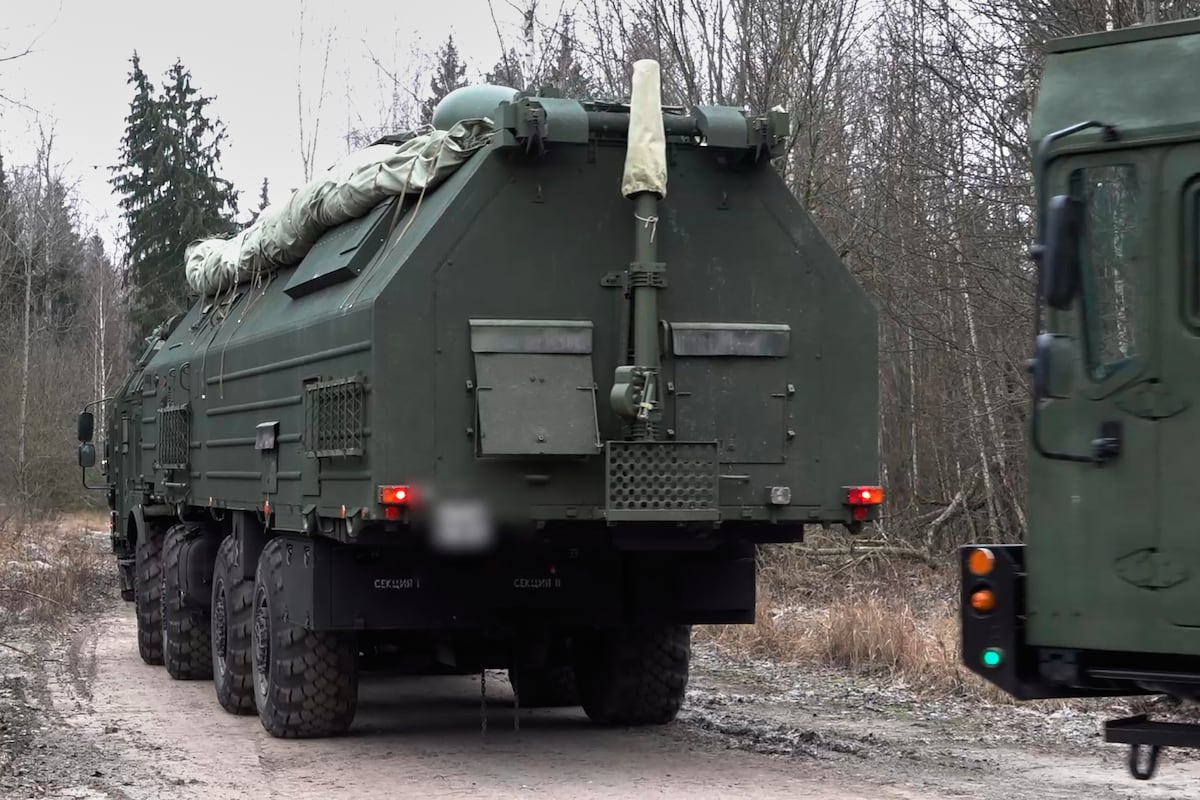
Russia has deployed its nuclear-capable Oreshnik intermediate-range ballistic missile system into active service in Belarus, with up to 10 systems to be stationed and an advertised range of up to 5,000 km (3,100 miles). Russian claims include hypersonic reentry speeds up to Mach 10, multiple warheads and indistinguishable nuclear/conventional payloads; Belarusian and Russian leaders say Minsk may select targets, and Russia’s revised doctrine and prior tactical nuclear deployments effectively place Belarus under Moscow’s nuclear umbrella. The deployment heightens European geopolitical and military risk amid fragile U.S.-brokered peace talks over Ukraine and reinforces existing Western sanctions on Belarus, with potential upside for defense-related assets and downside pressure on regional risk assets and investor sentiment.
Market structure: Immediate winners are large Western defense primes (Lockheed LMT, Northrop NOC, RTX RTX) and NATO-focused suppliers that can capture accelerated orders and munitions replenishment; energy exporters (Norway, US shale) also gain from higher risk premia. Losers include European travel/tourism, Polish and Baltic sovereign credit, and regional supply chains exposed to Belarus/Russia transit disruptions. Expect defense order backlogs to push pricing power and margins higher over 6–24 months as inventory-to-burn ratios tighten.
Risk assessment: Tail risks include a NATO-Russia incident or tactical nuclear use (low probability, catastrophic), triggering asset freezes, broad sanctions and >$10–20/bbl spike in Brent; shorter-term tails are contagion to European financials and EM Europe FX (PLN, HUF). Timeframe: days (volatility, FX swings), weeks–months (sanctions, order announcements), quarters–years (sustained defense budgets and capex). Hidden dependencies: upcoming elections, NATO summit outcomes, and insurance/shipping rerouting costs that magnify commodity and logistics impacts.
Trade implications: Constructive for 6–12 month defense longs and commodity longs, defensive hedges in gold/Treasuries, and tactical volatility plays. Use collars/call-spreads to limit premium spend; reduce exposure to European airlines and frontier European sovereign debt. Catalysts to act on: official NATO communiqués, US/EU sanction packages, and Belarus basing updates within 30 days.
Contrarian angles: Consensus assumes escalating kinetic risk = perpetual defense upside; history (post-2014) shows sharp rallies can reverse if diplomacy succeeds — defense stocks have 20–30% mean reversion room on peace headlines. Mispricing risk: implied vol often overshoots realized vol; opportunity to sell premium via defined-risk spreads. Unintended consequences: sustained higher defense budgets can crowd out civilian capex, increasing recession risk and pressuring cyclicals over 12–36 months.
AI-powered research, real-time alerts, and portfolio analytics for institutional investors.
Request DemoOverall Sentiment
strongly negative
Sentiment Score
-0.60
