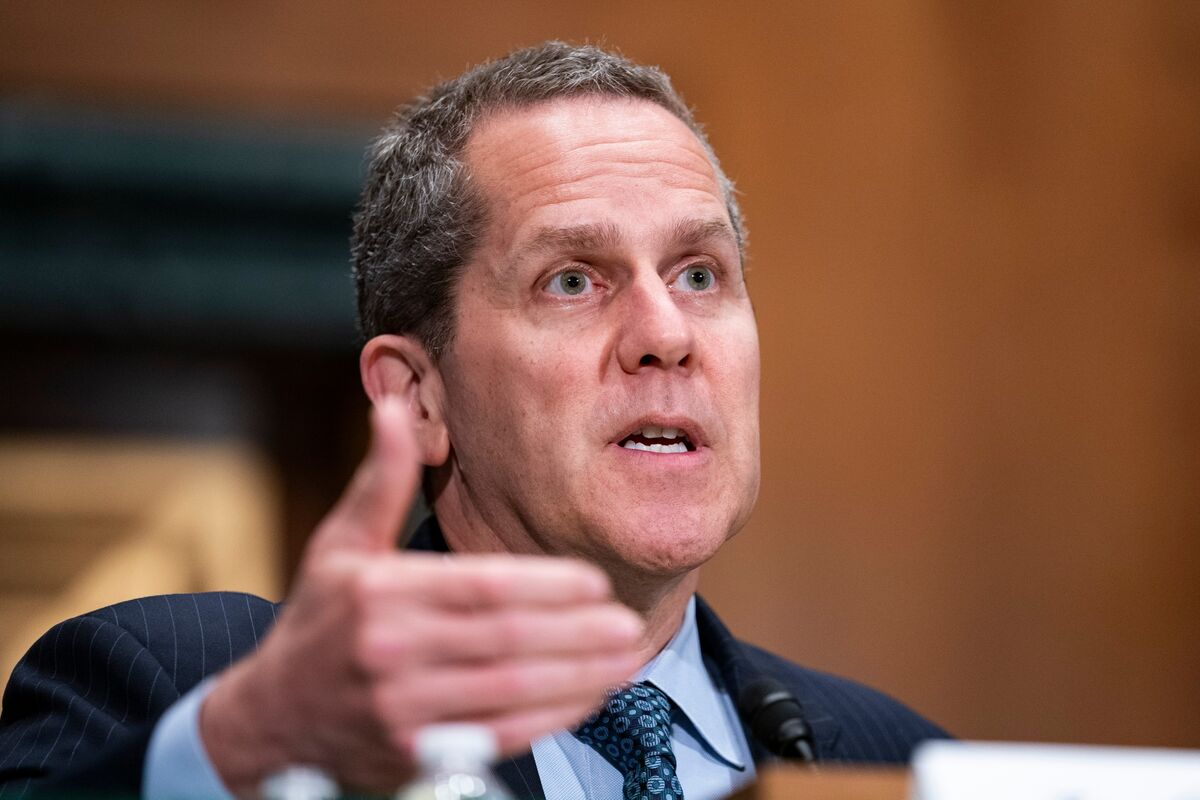
Federal Reserve Governor Michael Barr stated he anticipates tariffs will increase inflation, reinforcing his support for a 'wait-and-see' approach to interest rate adjustments. Despite acknowledging the economy's sound footing, low unemployment, and inflation easing towards the 2% target, Barr's comments highlight potential inflationary pressures from trade policy, which could complicate the Fed's path to rate normalization.
Federal Reserve Governor Michael Barr has introduced a hawkish risk to the monetary policy outlook by explicitly stating he anticipates tariffs will increase inflation. This view underpins his support for a 'wait-and-see' approach to interest-rate adjustments, suggesting a higher threshold for initiating monetary easing. Despite Barr's acknowledgement that the U.S. economy rests on a 'sound footing' with low unemployment and moderating inflation, his focus on potential tariff-driven price pressures complicates the disinflationary narrative. The commentary signals that even with favorable domestic economic data, external factors like trade policy could delay the Federal Reserve's path to achieving its 2% inflation target and, consequently, postpone the start of a rate-cutting cycle.
AI-powered research, real-time alerts, and portfolio analytics for institutional investors.
Request DemoOverall Sentiment
mixed
Sentiment Score
0.00
