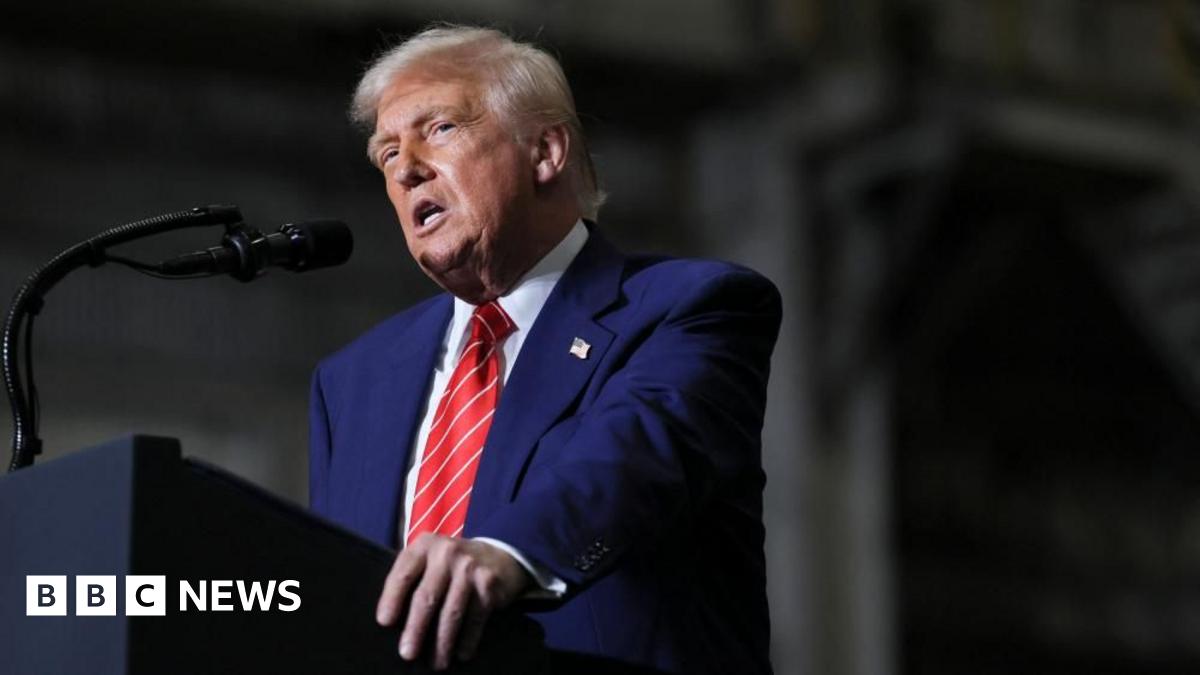
In 2017, President Trump's initial travel ban targeting seven Muslim-majority countries caused immediate disruption and legal challenges, stranding travelers and sparking widespread protests. While court rulings initially blocked the policy, the administration revised the order multiple times. The Supreme Court ultimately upheld the ban in 2018 by a 5-4 decision, allowing it to take full effect, marking a significant victory for the Trump administration.
The implementation of a travel ban early in Donald Trump's first term, targeting seven Muslim-majority countries, created immediate and widespread disruption for international travel and immigration, as detailed in the article. This policy, stemming from a 2015 campaign promise for 'a total and complete shutdown of Muslims entering the United States,' resulted in thousands of travelers, including tourists, migrants, business visitors, and U.S. green card holders, facing significant uncertainty at airports globally, with many prevented from traveling to the U.S. or turned away mid-trip. The ban triggered swift public and legal opposition, evidenced by protests in cities like New York and Washington D.C., and at airports, alongside court rulings that initially blocked its enforcement. Despite these challenges, the administration revised the order multiple times. Ultimately, a 5-4 Supreme Court decision in 2018 allowed the ban to proceed, overruling lower courts that found it unconstitutional and marking what was described as a 'major win' for the Trump administration, permitting the policy to take full effect. This sequence of events underscores the significant operational, legal, and logistical complexities that can arise from executive actions that rapidly alter international travel frameworks and immigration policy.
AI-powered research, real-time alerts, and portfolio analytics for institutional investors.
Request DemoOverall Sentiment
neutral
Sentiment Score
0.00
