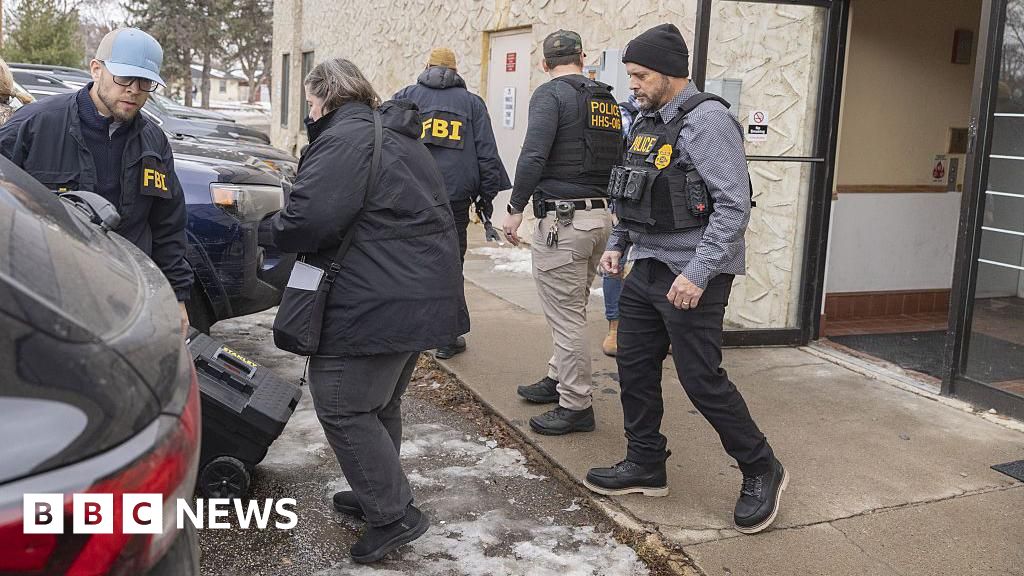
Federal immigration and law-enforcement agents have opened investigations into multiple Minneapolis childcare centres after a viral video alleged Somali-run facilities were taking public funds without providing care; DHS Secretary Kristi Noem and the FBI have signalled active probes. State regulators and CBS reporting found most of the named centres held active licences and recent inspections (one on Dec. 4), and two sites had already closed; authorities noted long-running pandemic-era fraud probes (including a $250m Feeding Our Future conviction). The story raises localized enforcement and political risk in Minnesota amid broader federal immigration crackdowns driven by the Trump administration, but so far contains limited direct financial implications for markets.
Market structure: This is a local/regulatory shock that benefits scale and compliance specialists while hurting small, public‑fund dependent childcare operators and community nonprofits. Expect 5–15% incremental operating cost pressure on small centers from audits/insurance/compliance and a relative gain to large national operators (e.g., BFAM) that can absorb compliance costs and consolidate capacity within 6–12 months.
Risk assessment: Tail risk is a systemic fraud revelation (Feeding Our Future scale, >$200m) that could pause federal/state childcare disbursements for 3–6 months and tighten oversight nationally; low probability but high impact for revenue flows into the sector. Near term (days–weeks) reputational and political volatility dominates; medium term (3–9 months) federal contracting and state inspection outcomes are key catalysts; hidden dependency is political cycle funding decisions tied to the 2024/25 election.
Trade implications: Favor small, tactical long exposure to DHS/homeland-security contractors (LDOS, CACI, BAH) and large-scale childcare operators (BFAM) via defined‑risk options; avoid or underweight locally concentrated small‑cap childcare and community nonprofit credit. Use tight option spreads (3–9 month call spreads) to express exposure while limiting headline risk.
Contrarian angle: Consensus may overestimate systemic fraud probability — most state inspections so far found active licensing; if federal probes don’t produce significant recoveries within 60–90 days, expect mean reversion and a rally in oversold local service names. Conversely, a conviction or large civil recovery would accelerate consolidation and favor scale players and government contractors.
AI-powered research, real-time alerts, and portfolio analytics for institutional investors.
Request DemoOverall Sentiment
neutral
Sentiment Score
-0.10
