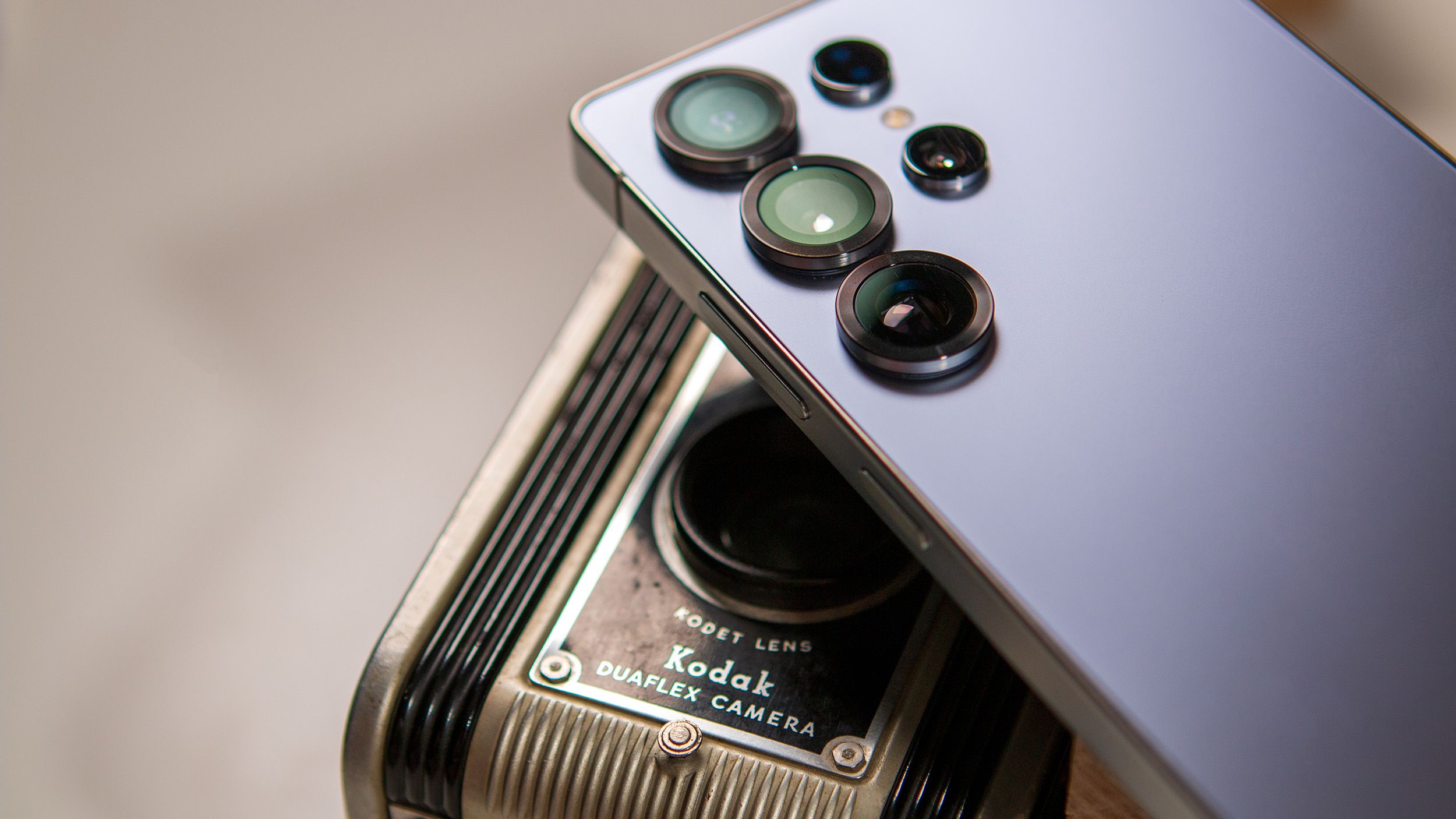
Early rumors suggest Samsung's Galaxy S27 Ultra may adopt a new S5KHP6 (ISOCELL HP6) sensor roughly the size of the HP2, potentially offering a 200MP main camera on a 1/1.3-inch format, alongside resurrected features such as dual-aperture and software modes (e.g., a 24MP Good Lock option). The reports also note a proposed 'full-face' biometric scanner described as spoof-resistant. While these technical upgrades could enhance Samsung's camera competitiveness versus Apple and influence consumer appeal, the details remain unconfirmed and are unlikely to have immediate material impact on Samsung's financials.
Market structure: A successful in‑house ISOCELL HP6 (200MP, 1/1.3") would directly benefit Samsung Electronics (005930.KS) and component suppliers (Samsung Electro‑Mechanics 009150.KS, SK Hynix 000660.KS for memory/ISP buffers) by improving product differentiation and ASPs by an estimated 3–7% on flagship SKUs; it would exert pricing pressure on third‑party sensor leaders (SONY) over 12–36 months. Demand signal: OEM appetite for higher‑MP modules implies incremental capex and short‑term supply tightness for advanced imaging fabs and module assembly, likely supporting KRW strength and select EM hardware equities.
Risk assessment: Tail risks include a yield/thermal issue with a 200MP sensor causing mass returns or delayed launch (low probability, high impact) and antitrust scrutiny if Samsung vertically integrates sensor supply (regulatory risk over 12–24 months). Near term (days–weeks) market reaction should be muted (rumor), short term (0–6 months) revolves around S26 feedback and parts orders, long term (12–36 months) is where share shifts and margin outcomes materialize; hidden dependency: reliance on foundry capacity and high‑NA lens supply chains.
Trade implications: Favor concentrated long exposure to Korea hardware suppliers ahead of parts wins: 6–12 month horizon for 005930.KS and 3–9 months for 009150.KS; consider relative short exposure to SONY (SONY) if Samsung confirms internal sourcing >30–50% for S‑series within 12 months. Options: use 3–9 month call spreads on 005930.KS or QCOM to express upside while capping premium; rotate portfolio into hardware/EM suppliers and trim consumer‑software cyclicals by 1–2%.
Contrarian angles: Consensus overweights instant displacement of Sony — history shows sensor share shifts take multiple generations; the market may underprice execution risk (yields, ISP integration) and Apple (AAPL) software/AI responses can blunt hardware wins. Unintended consequence: aggressive camera R&D increases Samsung’s opex/capex, compressing near‑term margins even if long‑term ASPs rise; wait for teardown/POC confirmations before adding large conviction positions.
AI-powered research, real-time alerts, and portfolio analytics for institutional investors.
Request DemoOverall Sentiment
neutral
Sentiment Score
0.00
Ticker Sentiment
