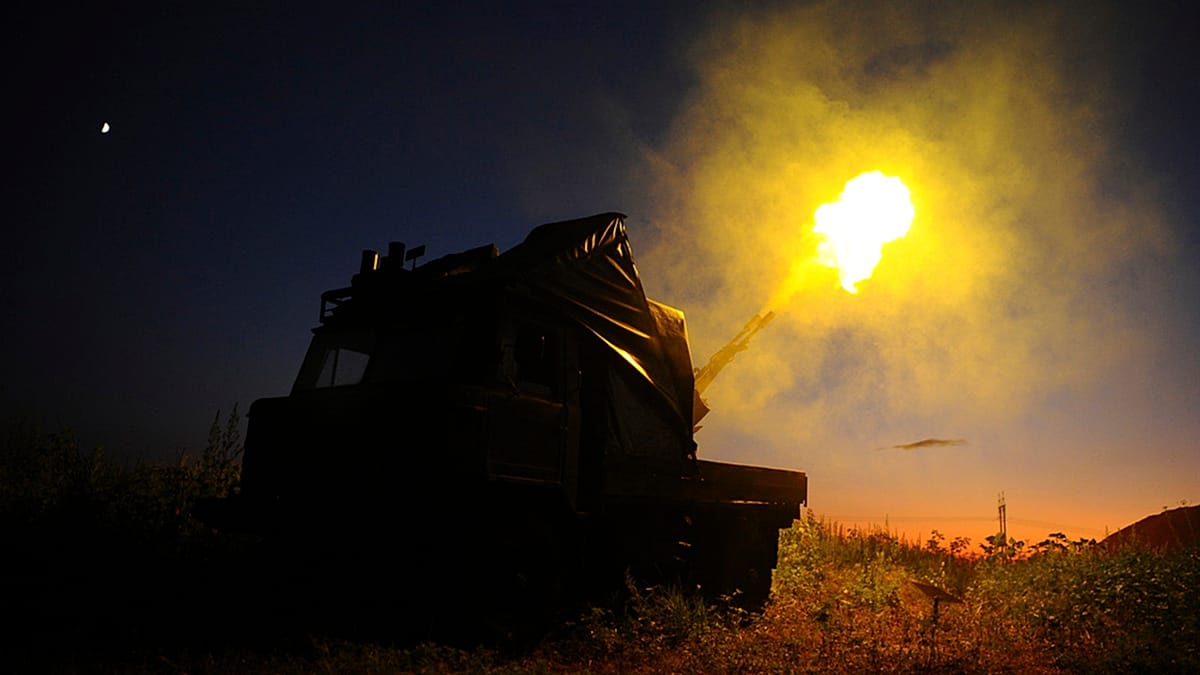
Sweden and Denmark will jointly procure and deliver TRIDON Mk2 mobile anti-aircraft systems to Ukraine worth €245 million (approximately 2.6 billion kronor), with Sweden contributing 2.1 billion kronor and Denmark covering the remainder; the package is intended to create an air-defence battalion capable of countering cruise missiles and long-range strike drones. The announcement comes amid intensified Russian strikes on Ukrainian energy infrastructure — including a reported barrage of ~450 drones and ~70 missiles — that have caused severe electricity, heating and water outages and elevated geopolitical and energy-security risks.
Market structure: The €245m Sweden-Denmark TRIDON Mk2 package is small in absolute Eurozone defense budgets but functionally significant — it directly benefits air-defence integrators, component suppliers (radar, EO, munitions) and NATO-aligned maintenance contractors while temporarily increasing demand for mobile C-RAM/AD systems. Pricing power will be asymmetric: prime defense OEMs can re-price programs, but supply constraints (RF semiconductors, AIM-like interceptors) keep lead times and margins elevated. Cross-asset: expect transient risk-off (safe-haven flows into USD/USTs, gold) and upward pressure on European natural gas and Brent if strikes on Ukrainian energy persist, with sovereign credit spreads of Eastern European issuers widening modestly.
Risk assessment: Tail risks include rapid escalation (direct strikes on NATO assets or wider Russian export disruptions) that could spike oil/gas >30% in weeks and prompt sanctions escalation; conversely, a rapid Ukrainian absorption and improved interception rates could dampen oil premium. In the immediate days expect headline-driven volatility; over 3–12 months a sustained procurement cycle and spares demand support defence capex. Hidden dependencies: delivery, crew training, integration into Ukrainian C2 and ammunition stocks — a 3–6 month lag could mute near-term operational impact. Catalysts: large US/EU aid packages, major barrage events, or successful Abu Dhabi talks within 14 days.
Trade implications: Tactical overweight defence equities/ETFs (levered via options) for 3–12 months while hedging macro beta; add a short-duration tactical natural gas/Brent long if winter outages continue. Use pair trades to isolate defence-alpha vs broad equity beta. Size positions to 1–3% ticket-level risk with explicit stop-loss thresholds (8–12%) and re-evaluate on confirmed delivery updates (30–60 days).
Contrarian angles: The market may oversimplify — €245m buys capability but not strategic air dominance; near-term headlines may over-reward small-cap defence names while underpricing the operational lag (training, ammo). Historical parallels (Syria/Yemen) show infrastructure attacks create short commodity spikes then mean-revert within 2–4 months; if Ukraine’s AD absorption is slower, commodity rallies will be shorter and defense multiples could be_pullback candidates once newsflow normalizes.
AI-powered research, real-time alerts, and portfolio analytics for institutional investors.
Request DemoOverall Sentiment
mildly negative
Sentiment Score
-0.25
