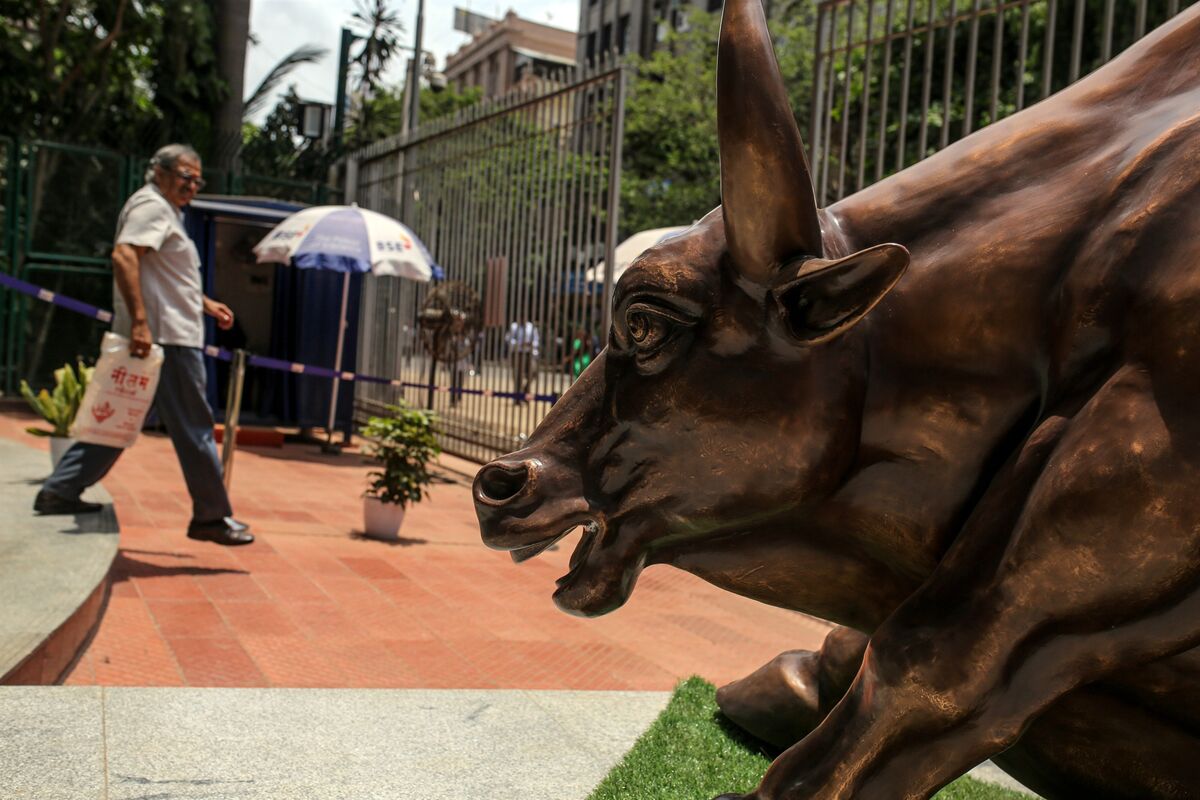
India's $5.4 trillion stock market is losing its appeal to global investors, having previously served as a haven during trade tensions. With easing global trade concerns and emerging worries about slowing earnings growth, the market's relatively expensive shares are becoming less attractive. This shift is exacerbated by improving sentiment towards Hong Kong-listed Chinese equities, which threaten to divert capital, and India's limited exposure to the burgeoning artificial intelligence sector.
India's $5.4 trillion equity market is confronting a notable shift in investor sentiment, diminishing its recent appeal as a haven in Asia. The market's defensive positioning, established during the US-China trade tensions under the Trump administration, is eroding as global trade concerns subside. This macro shift is exposing underlying vulnerabilities, primarily the market's high valuations, which are described as some of the world's most expensive. These premium valuations are becoming increasingly difficult to justify amid mounting concerns over a slowdown in corporate earnings growth. Compounding these domestic pressures is a significant external threat: improving sentiment towards Hong Kong-listed Chinese shares is creating a powerful competitor for global capital flows. Furthermore, the Indian market presents a structural disadvantage for theme-oriented investors due to its limited exposure to the burgeoning artificial intelligence sector, a key driver of global equity performance. The confluence of these factors—fading macro tailwinds, rich valuations, decelerating earnings, and resurgent regional competition—underpins the strongly negative sentiment and suggests a challenging near-term outlook for Indian equities.
AI-powered research, real-time alerts, and portfolio analytics for institutional investors.
Overall Sentiment
strongly negative
Sentiment Score
-0.65
