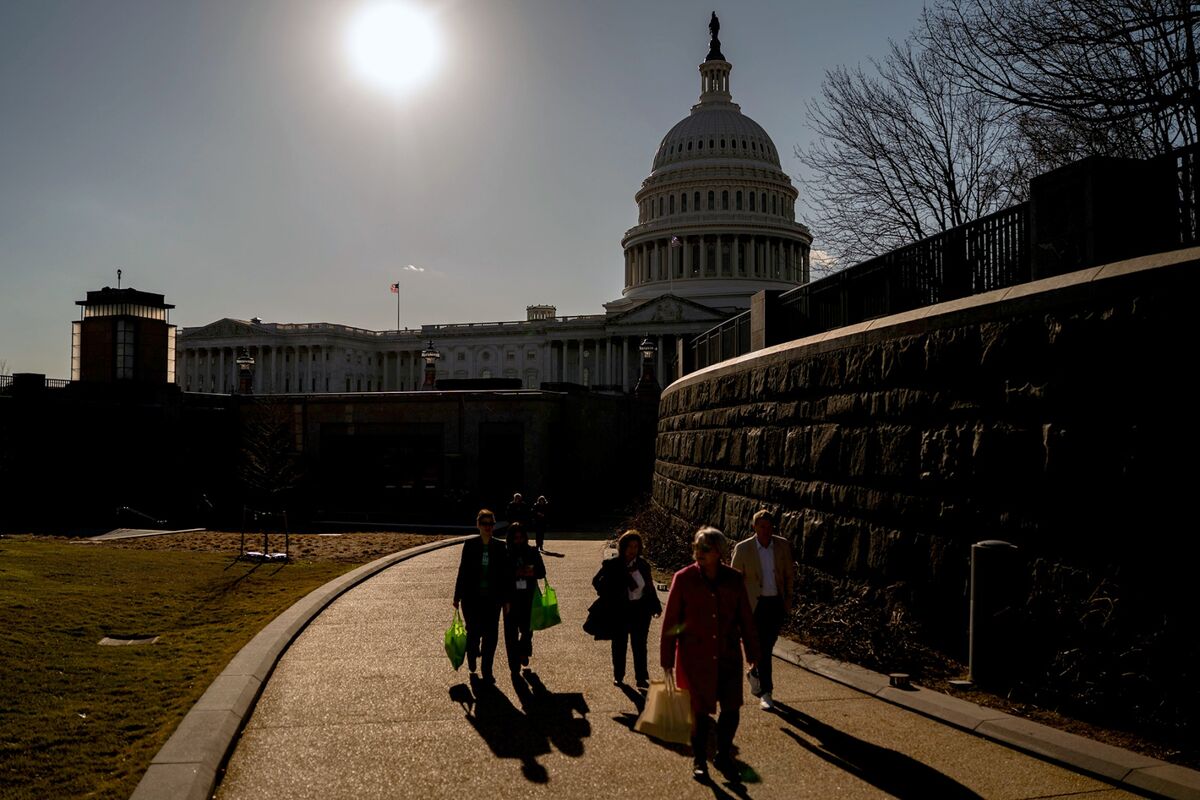
The US Supreme Court has permitted President Trump to proceed with significant federal workforce reductions, lifting a court order that had blocked 19 federal departments and agencies from implementing cuts. This decision, granted over one dissent, allows the administration to enforce a February 11 executive order that opponents claim could lead to hundreds of thousands of federal job losses, even as litigation continues. This move signals a major shift in federal employment policy with potential economic implications.
The U.S. Supreme Court's decision to lift a lower court's injunction allows the Trump administration to immediately proceed with a February 11 executive order designed to reduce the federal workforce. This policy affects 19 federal departments and agencies, with opponents estimating potential job losses in the hundreds of thousands. While the associated litigation is ongoing, the ruling clears the path for significant near-term changes to federal employment and fiscal policy. The primary implication is a move toward reduced government spending, which carries macroeconomic consequences, particularly for regional economies with a high concentration of federal employees. The moderately negative sentiment signal reflects the potential for economic disruption from these job cuts, although the broader market impact is currently viewed as limited.
AI-powered research, real-time alerts, and portfolio analytics for institutional investors.
Request DemoOverall Sentiment
moderately negative
Sentiment Score
-0.50
