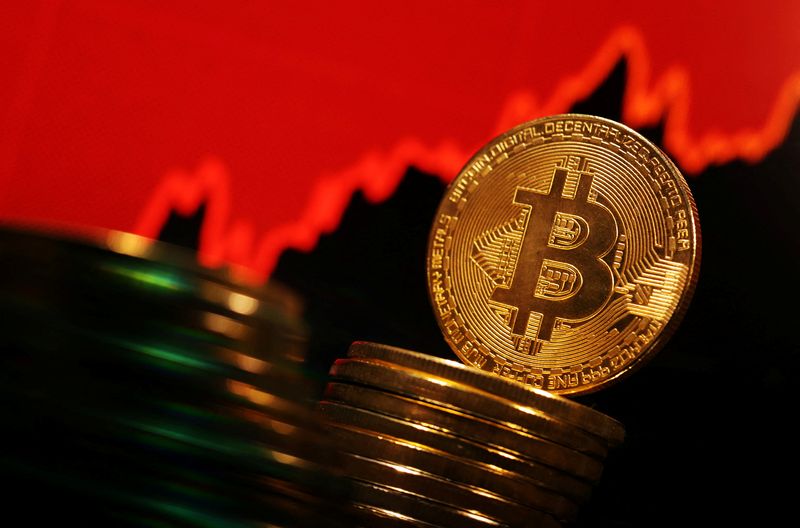
Bitcoin rose 3.4% to $69,065.9 after reports that Iran and the U.S. received a ceasefire framework that could immediately reopen the Strait of Hormuz. The Pakistan-mediated plan outlines an immediate ceasefire and follow-up negotiations, but Donald Trump warned Iran it had until Tuesday 8 p.m. ET to restore tanker traffic or face strikes. Stronger-than-expected U.S. payrolls reinforced expectations the Fed may keep rates elevated, while crypto risk-on flows lifted Ethereum +4.8% to $2,135.92 and Cardano +6%.
The market is treating a potential de-escalation as a near-term liquidity event that compresses a geopolitical risk premium rather than as a durable peace — that distinction matters for positioning. If shipping lanes reopen cleanly, expect tanker spot rates and freight-insurance spreads to revert sharply (we estimate 40–70% decline in wartime spikes) inside 2–6 weeks as idled tonnage re-enters the market; listed tanker equities that rallied on scarcity will be first to reprice. Conversely, risk assets priced for a durable reduction in tail risk (EM equities, credit spread compression, crypto) are exposed to a quick unwind if the ceasefire proves temporary or is politically undermined within the next 45 days.
Macroeconomic backdrop amplifies second-order risk: stronger payrolls increase the probability of a longer-for-rates Fed, which reduces the forward carry for rate-sensitive risk assets even as geopolitics improves — a tug-of-war likely to produce rangebound volatility rather than a clean breakout. That dynamic favors directional trades with capped downside (defined-option structures) and small asymmetric directional exposure to risk assets. Monitor three high-frequency confirmations (physical tanker AIS traffic through Hormuz, daily tanker insurance premium prints, and Iranian state media operational confirmations) — if two of three confirm within 72 hours, price relief is likely; absence of confirmation increases tail risk of re-escalation.
The consensus is missing timing friction: reopening the route doesn’t instantaneously normalize global crude flows because charter contracts, insurance cycles, and port slotting create 2–8 week operational lag. Markets that price instant normalization (spot freight, tanker equities, short-dated volatility) are therefore overreacting; positions that buy the event but hedge the path-dependent operational lag will outperform. Maintain convex downside protection on any gross directional exposure until operational confirmation arrives.
AI-powered research, real-time alerts, and portfolio analytics for institutional investors.
Request DemoOverall Sentiment
mildly positive
Sentiment Score
0.15
Ticker Sentiment
