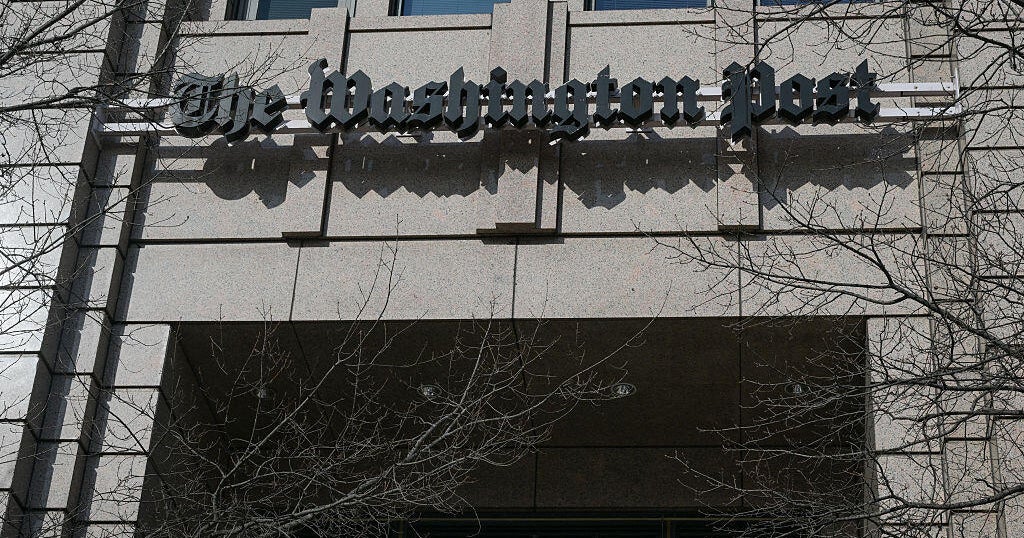
Washington Post publisher Will Lewis resigned days after the paper implemented layoffs that affected about one-third of its newsroom, scaled back foreign coverage and shuttered sections including sports. Jeff D'Onofrio, the Post's CFO since June 2025 and former Tumblr CEO, will serve as acting publisher; management frames the cuts as a restructuring to position the paper for changing technologies and user habits. The rapid leadership turnover, high headcount reductions and public criticism of recent editorial decisions represent operational cost-cutting and reputational risk that may affect the Post's product strategy and long-term subscriber engagement.
Market structure: Short-term winners are scale digital ad platforms and subscription-first publishers — expect Alphabet (GOOGL) and Meta (META) to pick up programmatic ad share while The New York Times (NYT) can capture paying readers who value foreign coverage. Losers: standalone regional and ad‑heavy publishers (e.g., Gannett/GCI and other small caps) which lack subscription moats and face margin pressure; Washington Post quality cuts reduce its long‑term pricing power for premium journalism.
Risk assessment: Immediate risk (days) is a reputational hit and ad‑revenue dip (estimated 5–10% quarter-over-quarter for Post properties); short term (weeks–months) the key tail risk is subscriber churn >10% over 6–12 months which would force deeper cuts. Hidden dependencies include Bezos’ capital allocation choices—if Amazon/AWS pulls executive attention or reallocates ad inventory, industry ad pricing could shift; watch regulatory/antitrust chatter around platform dominance as a low‑probability, high‑impact event.
Trade implications: Favor medium conviction, asymmetric trades: modest long exposure to NYT (subscription moat) and GOOGL/META (ad share gain) with protective sizing; pair-trade small-cap regional publishers short vs NYT long to capture consolidation. Use 3–9 month call spreads on ad platforms and 3-month puts as cheap protection on concentrated names; time trades around ad‑revenue prints in the next 30–60 days.
Contrarian angles: Consensus overlooks margin upside from aggressive cost cuts — Post could become leaner and more saleable, which would support private-market valuations for premium outlets. However, quality erosion is a structural risk that can take 12–24 months to materialize; history (NYT’s 2010s pivot) shows subscription-focused firms can outcompete cut‑driven ad plays, so size positions modestly and use quant triggers rather than narrative-driven conviction.
AI-powered research, real-time alerts, and portfolio analytics for institutional investors.
Request DemoOverall Sentiment
moderately negative
Sentiment Score
-0.45
Ticker Sentiment
