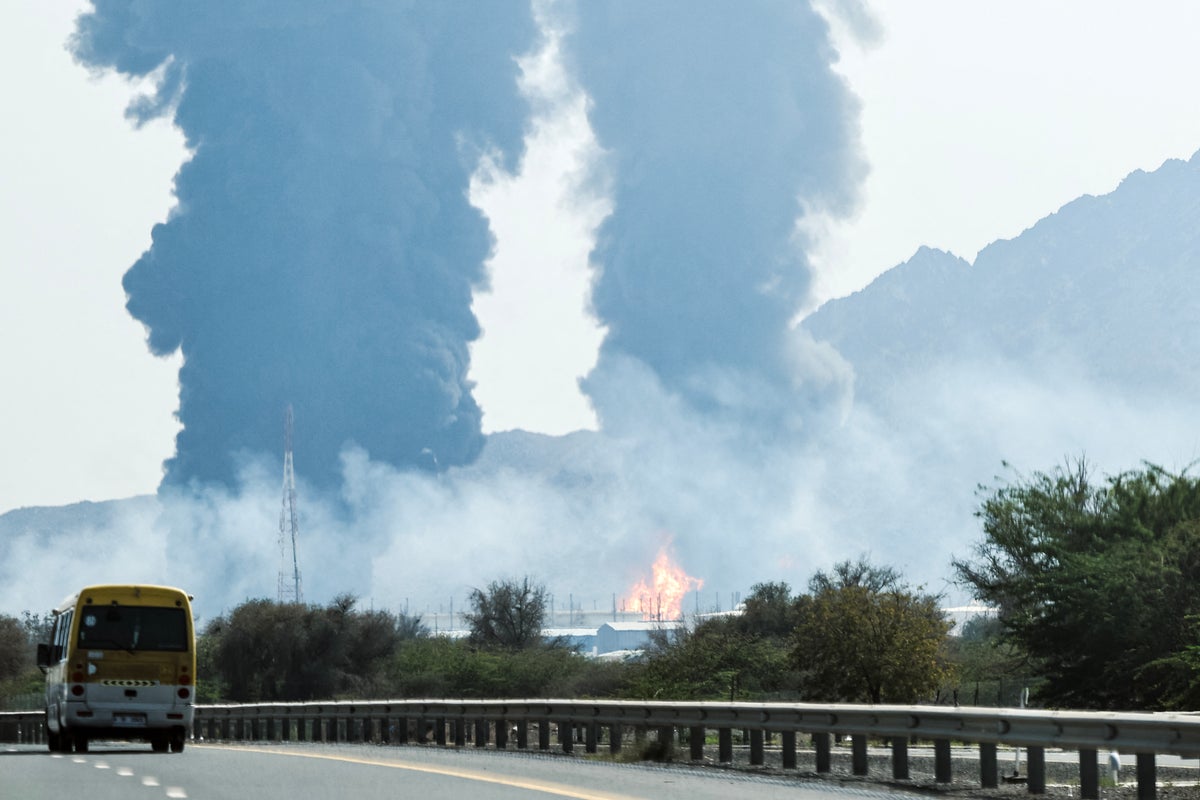
The UAE reportedly carried out secret strikes on Iran, including an early-April attack on a refinery on Lavan Island, marking a potential first direct Gulf-state role in the war. Iran responded with missile and drone strikes against Kuwait and the UAE, raising the risk of broader regional escalation and disruption to oil and gas infrastructure. The news is highly relevant for energy markets and regional risk assets given the possible implications for Gulf security and crude price volatility.
The key market implication is not the headline itself but the regime shift it signals: a Gulf sovereign is now willing to move from tacit alignment to direct kinetic participation when core energy infrastructure is threatened. That raises the probability of a broader “security premium” in Gulf assets, because the market has to price a higher baseline of retaliation risk around the Strait of Hormuz, offshore loading zones, and downstream infrastructure even if actual volumes are not immediately disrupted. The first-order beneficiary is not crude outright so much as volatility and duration of elevated option-implied oil prices. Second-order, this is mildly constructive for US and allied defense exposure, but the cleaner trade is in energy infrastructure hardening and maritime security rather than broad defense baskets. Orders for air/missile defense, counter-drone systems, and naval ISR should accelerate across the GCC over the next 2-4 quarters, especially for platforms that can be procured quickly and integrated with existing Western systems. The losers are regional transport, insurers, and any balance-sheet levered names with direct Gulf throughput exposure; those businesses face asymmetric tail risk because a single miscalculation can impair throughput far more than consensus earnings models reflect. The contrarian point is that a Gulf state stepping in may also shorten the war by convincing Iran that the coalition is wider than assumed, which could cap the duration of the shock if back-channel de-escalation follows. That means the best risk-adjusted expression is likely short-dated convexity rather than outright directional commodity longs. If the market starts discounting a negotiated pause within weeks, crude can retrace quickly, but implied vol should remain bid until there is evidence that Gulf facilities and shipping lanes are no longer in the firing line.
AI-powered research, real-time alerts, and portfolio analytics for institutional investors.
Request DemoOverall Sentiment
moderately negative
Sentiment Score
-0.45
