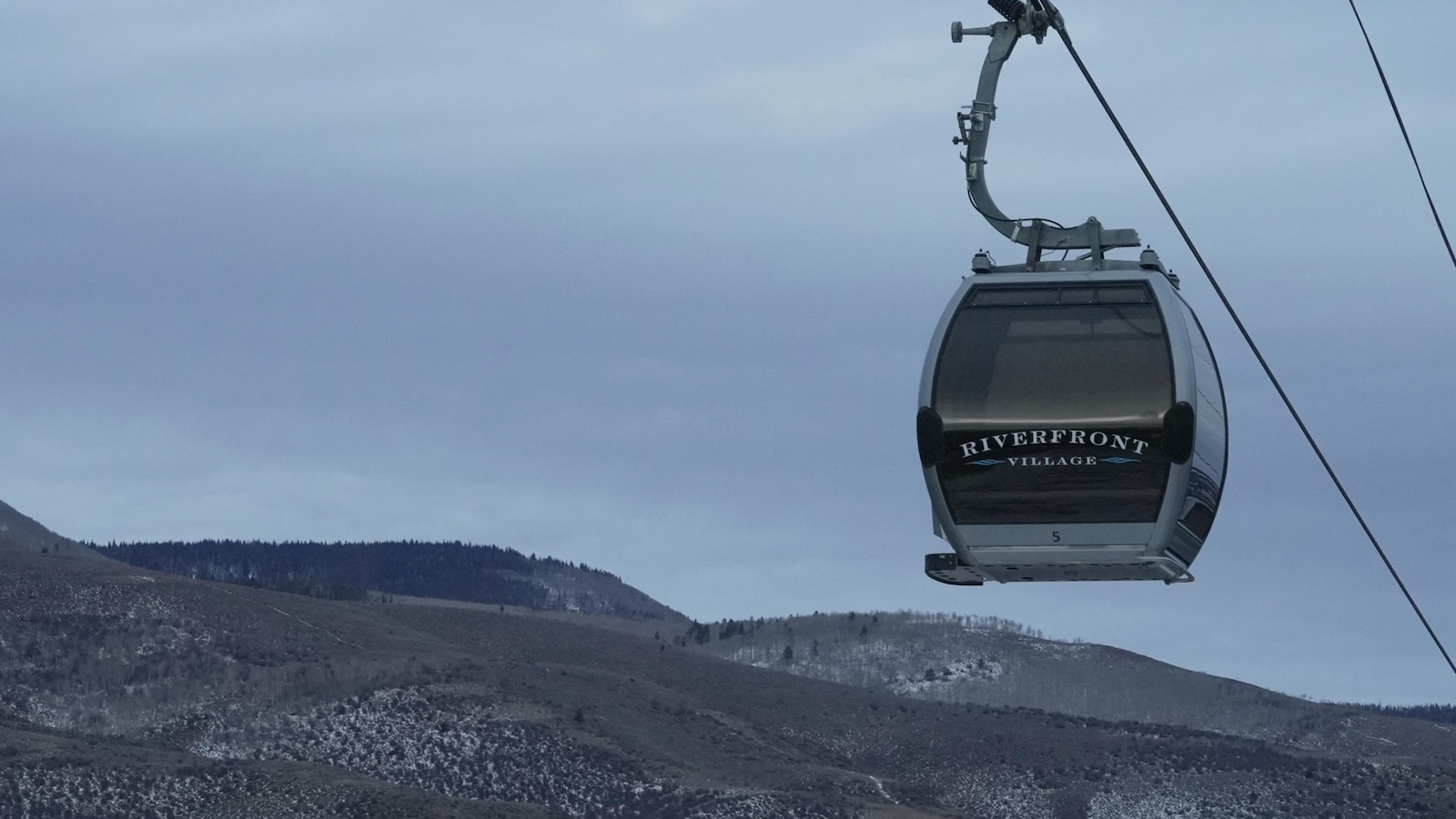
An unusually warm, low-snow winter across the U.S. West — with areas near the 2034 Olympic site 7–10°F (3–5°C) above normal and parts of Oregon, Idaho and western Colorado recording their warmest Novembers (6–8.5°F above average) — has left ski resorts with well-below-average snowpack, limited lift openings, postponed attractions and rain-driven runoff that undermines seasonal water storage. Flood-damaged roads, the slowest start to snow in some basins since 1981, and elevated drought/wildfire risk threaten regional tourism revenues and water-dependent agriculture and municipal supplies, creating localized downside for leisure operators, insurers, utilities and agribusiness; a single large storm could materially improve conditions but current near-term exposures are negative.
Market structure: Warm, rain-heavy starts compress revenues for Western ski operators (discretionary leisure, lift-driven FCF) and boost demand for flood/road remediation, civil contractors and regional apparel/cold-weather retailers in the Northeast. Expect pricing power to shift toward municipal contractors, heavy-equipment OEMs and East-coast resort operators for the next 3–6 months, while western resorts face margin pressure from lower lift load factors and higher snowmaking energy/water costs.
Risk assessment: Tail risks include a multi-year snow deficit that forces writedowns at small/mid regional operators, municipal liquidity strains from reconstruction, and regulatory water curbs limiting snowmaking — each can hit earnings over 1–3 years. Immediate catalysts (days–weeks) are NOAA/NOAA seasonal updates and Pacific storm tracks; medium-term (Dec–Mar) thresholds: Tahoe basin SWE <60% of median by Feb 1 materially raises default/downgrade risk for small operators.
Trade implications: Near-term directional trades: short western-resort exposure and natural gas (lower heating demand), long civil/construction and Northeast winter-apparel names; use pairs to isolate weather risk (see actions). Options: buy short-dated puts on underperforming resort equities and buy longer-dated call spreads on natural gas or utilities as a hedge against hydro decline 6–18 months out. Rotate 2–4% of risk budget from discretionary leisure into industrials/engineering over 1–12 months.
Contrarian angles: Consensus treats this as one-season noise but historical episodes (e.g., 2014–15 low-snow then rebound) show strong mean-reversion if a large Pacific storm arrives — that makes small, cheap long volatility/OTM call positions on beaten-down resort names attractive. Also, investment in snowmaking/water storage is a multi-year capex tailwind for equipment and energy suppliers that the market likely underprices.
AI-powered research, real-time alerts, and portfolio analytics for institutional investors.
Request DemoOverall Sentiment
moderately negative
Sentiment Score
-0.45
