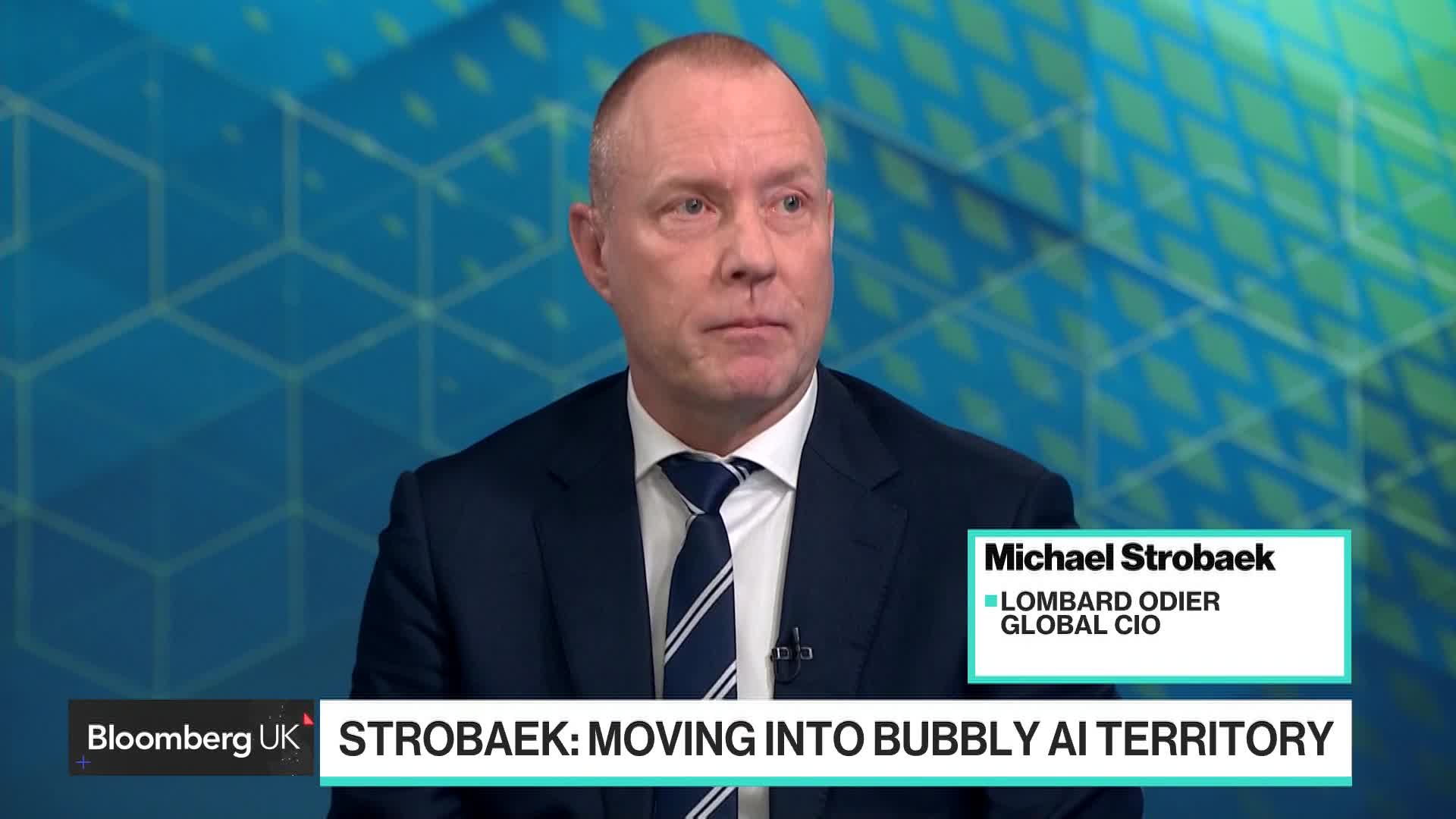
Markets are exhibiting stretched valuations driven by heavy, productivity‑anchored investment in artificial intelligence and related technologies, supported by big‑tech capital and geopolitically driven competition. Analysts expect a Fed rate cut in December but warn interest rates will remain elevated thereafter, with the Fed likely to pause and reassess labor, inflation and tariff‑related damage into mid‑next year—creating upside potential while also signaling heightened downside risk if sentiment or earnings disappoint.
Market structure: The AI/capital-intensive technology complex (hyperscalers, cloud, GPUs, semiconductors, semiconductor equipment) are the clear winners — think NVDA, MSFT, AMZN, GOOGL, AVGO, TSM, ASML — as corporate capex and geopolitical onshoring drive multi-year demand even if multiples look rich. Losers include small-cap and legacy industrial exporters hit by tariffs and margin compression (Russell 2000/IWM exposure), and cyclical consumer names sensitive to higher-for-longer rate noise. Valuation dispersion will widen: leadership concentration increases pricing power for dominant platforms while second-tier AI plays face cash-flow risk.
Risk assessment: Tail risks are regulatory export controls or AI-specific regulation, a Fed “pause after one cut” repricing rates higher, and a geopolitically-triggered supply shock to chips or energy; any of these could cause >20% drawdowns in overlevered AI names. Immediate (days) risks are momentum and positioning; short-term (weeks–months) hinges on a December cut signal and tariff developments; long-term (years) rewards depend on durable productivity gains vs. bubble reversion. Hidden dependencies: hyperscaler funding masks startup cash burn and semicap concentration (ASML/TSMC) creates single-point operational risks.
Trade implications: Favor concentrated exposure to market leaders via equity and asymmetric options while hedging breadth and rate risk: long NVDA/MSFT/AMZN for 3–12 months, pair with shorts in IWM or small-cap tech for 3–6 months; add duration (TLT) ahead of an anticipated December cut but size tightly and use yield stop-loss. Volatility should decline if cuts materialize — sell short-dated IV on large caps (iron condors) but buy long-dated call LEAPs or call spreads on NVDA/AMZN for leverage and controlled downside. Rotate overweight into semiconductors and cloud infrastructure, underweight small caps and tariff-exposed industrials.
Contrarian angles: The consensus underestimates concentration and operational fragility — ASML/TSMC chokepoints and export controls could flip winners into losers quickly, so pure long-beta to “AI” names may be overdone. History (1999–2001) shows productivity narratives can persist while leadership narrows; expect regime where top 5 names outperform and many AI-branded names crash. Unintended consequence: tariffs could prolong inflation, forcing the Fed to delay cuts and trigger a fast repricing of both yields and equity multiples — hedge accordingly.
AI-powered research, real-time alerts, and portfolio analytics for institutional investors.
Request DemoOverall Sentiment
mildly positive
Sentiment Score
0.30
