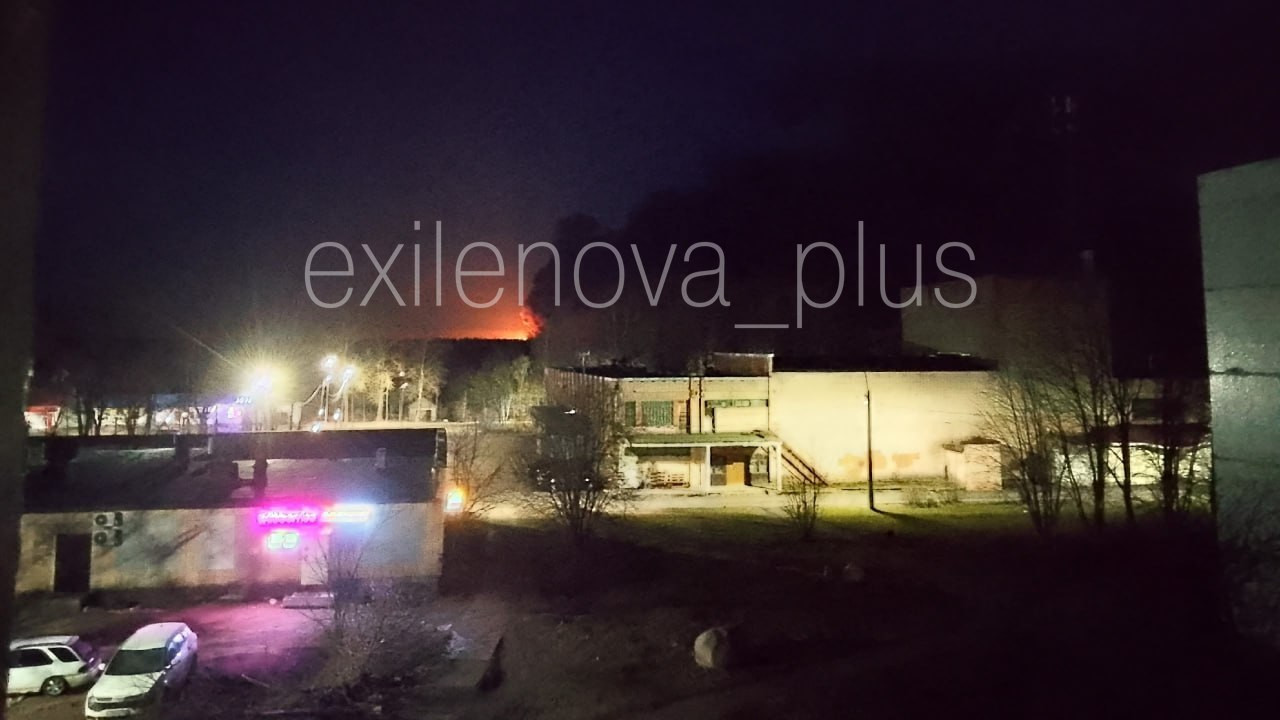
Ukrainian drones struck the Transneft-Port Primorsk oil terminal, damaging a fuel tank and oil-loading infrastructure at a hub with roughly 1.0M bbl/day crude and 300k bbl/day diesel loading capacity (annual ~75Mt); a fire was confirmed. Russia reported 249 drones intercepted overnight and >50 shot down in Leningrad Oblast; Ukraine also reported strikes on Bashneft‑Ufaneftekhim refinery (≈6–8Mt/yr capacity) and a Labinsk depot where 18 of 20 storage tanks burned, disrupting regional fuel logistics. Expect upward pressure and higher volatility in Urals crude and refined-product markets, plus potential near-term hits to Russian export throughput and FX earnings.
Damage to a major export hub creates an immediate chokepoint that is asymmetric: a few days of port disruption imposes outsized friction on Russia’s shipping cadence because of limited nearby alternate deepwater berths and the geometry of pipelines feeding Primorsk. Expect Urals crude netbacks to Moscow-linked sellers to decline by $1–3/bbl once freight and insurance repricing are accounted for, with the effect compounding if shadow-fleet transfers shift to longer, higher-risk routes (adds 5–12% voyage time and costs).
Refined-product disruption is a higher-ROI risk to markets than crude loss: diesel/jet product tightness in Northern Europe can widen gasoil cracks 20–40% over weeks as imports reroute from Mediterranean and Black Sea sources. This creates a window for Midland/Med refiners with spare diesel yields to arbitrage into Europe, but only if shipping capacity is available — so the bottleneck will transfer value to both refiners with export access and to shipowners controlling product tankers.
Shipping and insurance are the force multipliers here: expect spot charter rates for product and LR2/3 tankers to spike if Primorsk stays offline >2 weeks, and P&I underwriters to lift premiums within 72–120 hours, materially increasing marginal export costs. The main reversion risks are rapid repairs, a negotiated corridor, or a one-off weather/operational mitigation; conversely, sustained escalation (additional strikes on storage/refineries) would crystallize a months-long supply reallocation.
AI-powered research, real-time alerts, and portfolio analytics for institutional investors.
Overall Sentiment
strongly negative
Sentiment Score
-0.55
