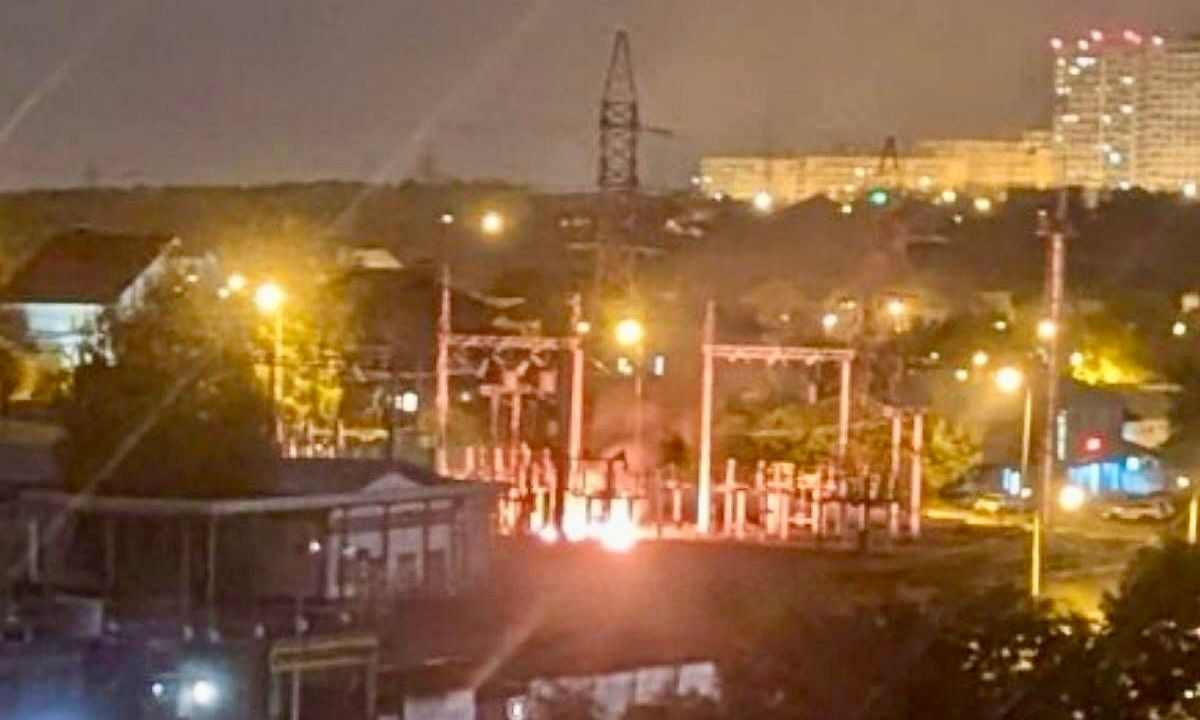
A recent Ukrainian attack significantly damaged energy facilities in Belgorod, Russia, initially leaving 40,000 residents without power, with partial outages persisting for 5,400. This incident represents an escalation in the tit-for-tat targeting of energy infrastructure, following weeks of Russian strikes on Ukraine's power grid and Kyiv's warnings of retaliation. The mutual targeting of critical energy assets by both nations, particularly ahead of winter, signals potential for sustained regional economic disruption and heightened geopolitical risk.
40,000 Russians without power in Belgorod after Ukrainian attack causes 'significant' damage to energy facilities Editor's note: This story has been updated with an interception published by Ukraine's military intelligence (HUR). A Ukrainian attack damaged energy facilities and disrupted power supplies in the Russian city of Belgorod, Governor Vyacheslav Gladkov said on Oct. 5. The attack follows weeks of intensified Russian strikes against Ukraine's energy infrastructure. Nearly 40,000 Belgorod residents were left without electricity after the strike, which caused significant damage across seven municipalities, according to Gladkov. "We listened to a report from energy officials on the nature of the damage caused by the nighttime shelling of Belgorod. We have significant damage," he said. "Scope of work will be significant." Emergency crews were deployed to the affected areas, and hospitals in Belgorod have switched to backup power. Local authorities are coordinating school operations amid the outages, Gladkov said. On the morning of Oct. 6, Gladkov reported that partial power outages continued in 24 settlements, affecting 5,400 residents. He did not indicate when full power restoration was expected. "Restoration work is continuing, and we hope that it will be completed in the very near future," he said. Ukraine's military intelligence (HUR) released an alleged intercepted phone call, in which a Belgorod Oblast resident described widespread blackouts and internet outages following the attack. "All of Shchebekino was without power," a woman can be heard saying. "The streets were all dark." The Kyiv Independent could not independently verify the authenticity of the audio. In September, President Volodymyr Zelensky warned that Ukraine would retaliate against Russia's energy sector if Moscow again attempted to plunge Ukraine into a blackout. Russia has repeatedly targeted Ukraine's power grid, gas facilities, and heating systems ahead of winter, aiming to make living conditions unbearable for civilians. Last year, sustained strikes left millions without heat and electricity during freezing temperatures. On Oct. 3, Russia launched a large-scale missile and drone strike on Ukrainian energy facilities, Zelensky said, accusing Moscow of trying to worsen civilian suffering before the winter season. Bloomberg reported on Sept. 20, citing sources close to the Kremlin, that Russia plans to continue targeting Ukraine's energy this winter as part of a broader effort to pressure Kyiv into concessions. A recent Ukrainian attack inflicted "significant" damage on energy facilities in Belgorod, Russia, leaving nearly 40,000 residents without electricity initially; partial outages persisted for 5,400 residents across 24 settlements as of Oct. 6. Governor Vyacheslav Gladkov reported extensive damage requiring "significant" restoration work, with hospitals activating backup power. This incident marks a direct escalation, following weeks of intensified Russian strikes against Ukraine's energy grid and President Zelensky's prior warning of retaliation. Reports suggest Russia plans to continue targeting Ukrainian energy this winter, indicating a sustained campaign against critical infrastructure. The mutual targeting of energy assets by both nations ahead of winter significantly heightens geopolitical risk and implies potential for prolonged regional economic disruption. This tit-for-tat strategy could introduce further volatility into energy markets and impact supply chain stability.
AI-powered research, real-time alerts, and portfolio analytics for institutional investors.
Request DemoOverall Sentiment
moderately negative
Sentiment Score
-0.50
