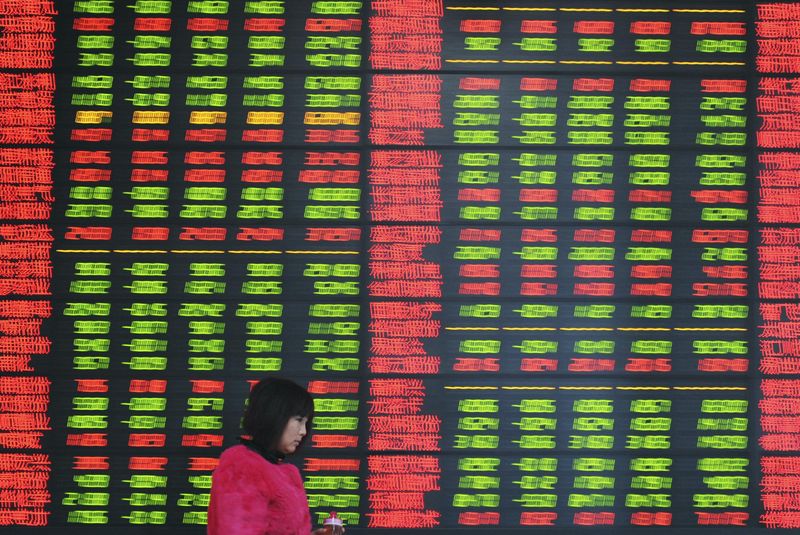
President Trump's Tuesday 8:00 p.m. ET deadline for Iran — coupled with his warning that Iran 'could be taken out' if it doesn't comply — has escalated geopolitical risk and left markets on edge. Oil is trading above $110/barrel, stoking global inflation concerns, while Asian markets traded narrowly: Shanghai CSI 300 -0.3%, India's Nifty -0.5%, Singapore STI -0.2%, South Korea KOSPI +0.2% and Australia ASX 200 +1.5%. Tehran rejected a U.S.-backed ceasefire and exchanged attacks with Israel, underscoring downside risk to energy supply and risk appetite. Separately, Samsung projected an eightfold surge in Q1 operating profit, supporting some sector-specific strength in tech despite the broader risk-off tone.
Markets are pricing an elevated risk-premium concentrated in energy and trade-cost channels; the immediate mechanical transmission is higher maritime insurance and spot freight, which acts like a tax on oil-consuming economies and raises delivered oil and LNG prices by a persistent few dollars per barrel/MBtu while routes remain uncertain. That passthrough typically shows up as a 20–50bps boost to headline inflation in advanced economies within 2–3 quarters and forces earlier central bank hawkish signaling, compressing equity multiples in rate-sensitive sectors.
Second-order winners are firms that capture incremental upstream margin quickly (US tight oil producers) and LNG sellers with flexible cargoes — they benefit from price spikes faster than integrated majors whose downstream exposure and refined-product demand elasticity mute cyclical upside. Losers include trade-exposed EMs with large import bills and commodity-processing chains (chemicals, fertilizers) where feedstock and freight shocks compress margins and push working-capital needs higher over successive quarters.
Time horizons bifurcate: expect elevated headline volatility and liquidity dislocations over days–weeks around military/insurance headlines and potential chokepoint disruption, while the persistent macro effect (inflation, capex shifts into energy/defense) plays out over 3–12 months. The key reversals are diplomatic de-escalation or rapid SPR/strategic supply responses — either can unwind risk premia in 4–8 weeks, while structural production reductions keep prices elevated for quarters.
Consensus is skewing to “energy only” exposure; that underestimates semiconductor/AI capex resiliency and defensive earnings from select tech hardware suppliers with visible demand. If energy spikes pressure discretionary growth, there’s asymmetric opportunity in owning high-quality cyclicals with pricing power and selling low-quality, rate-sensitive credits that will reprice faster when policy tightens.
AI-powered research, real-time alerts, and portfolio analytics for institutional investors.
Request DemoOverall Sentiment
moderately negative
Sentiment Score
-0.50
