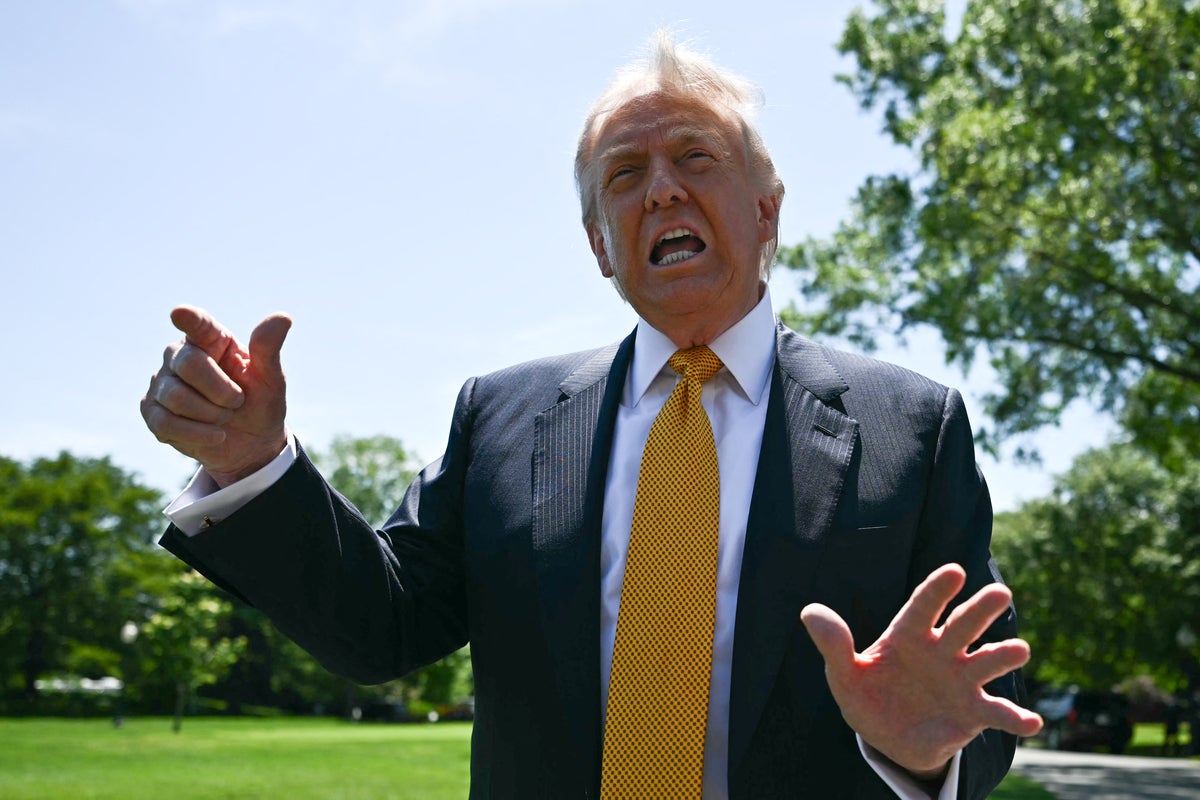
U.S. inflation remains elevated, with April CPI up 3.8% year over year and gasoline prices jumping 5.4% in the month to a national average of $4.50 a gallon, versus $3.13 a year ago. The article frames the Iran war and Strait of Hormuz blockade as a key driver of higher energy and consumer prices, while a CNN/SSRS poll says 77% of respondents blame Trump’s policies for rising living costs and about 70% disapprove of his handling of the economy. Market implications are broad given the geopolitical risk to oil supply and the potential for further inflation pressure if the conflict escalates.
The market is now pricing not just an energy shock but a credibility shock: when policy makers signal indifference to household pain, the path of least resistance is for inflation expectations to re-anchor higher even if spot commodity prices stabilize. That matters because the first-order move is in gasoline, but the second-order move is in wages, freight, insurance, and rate expectations, which tends to keep the long end of the curve sticky and pressure duration-sensitive assets beyond the energy complex. The obvious beneficiaries are upstream energy and select defense names, but the more interesting trade is relative pain inside the consumer stack. Discretionary retailers, travel, autos, and small-cap cyclicals face a double hit from weaker real disposable income and higher input costs; margins get squeezed just as demand elasticity worsens. If the Strait disruption persists another 4-8 weeks, you should expect analysts to start cutting FY guidance broadly, not just for energy-intensive sectors, because the consumer substitution effect into essentials is usually more abrupt than consensus models assume. A less appreciated spillover is into inflation-linked and quality-duration assets. TIPS breakevens should remain supported, but the bigger opportunity may be in owning defensives with pricing power and shorting the most rate-sensitive parts of the market that still trade as if the inflation impulse is transitory. The contrarian view is that the market may be overestimating the permanence of the shock: if the conflict de-escalates, gasoline can mean-revert faster than headline CPI, creating a sharp relief rally in beaten-down consumer names and a pullback in the inflation trade.
AI-powered research, real-time alerts, and portfolio analytics for institutional investors.
Overall Sentiment
strongly negative
Sentiment Score
-0.72
