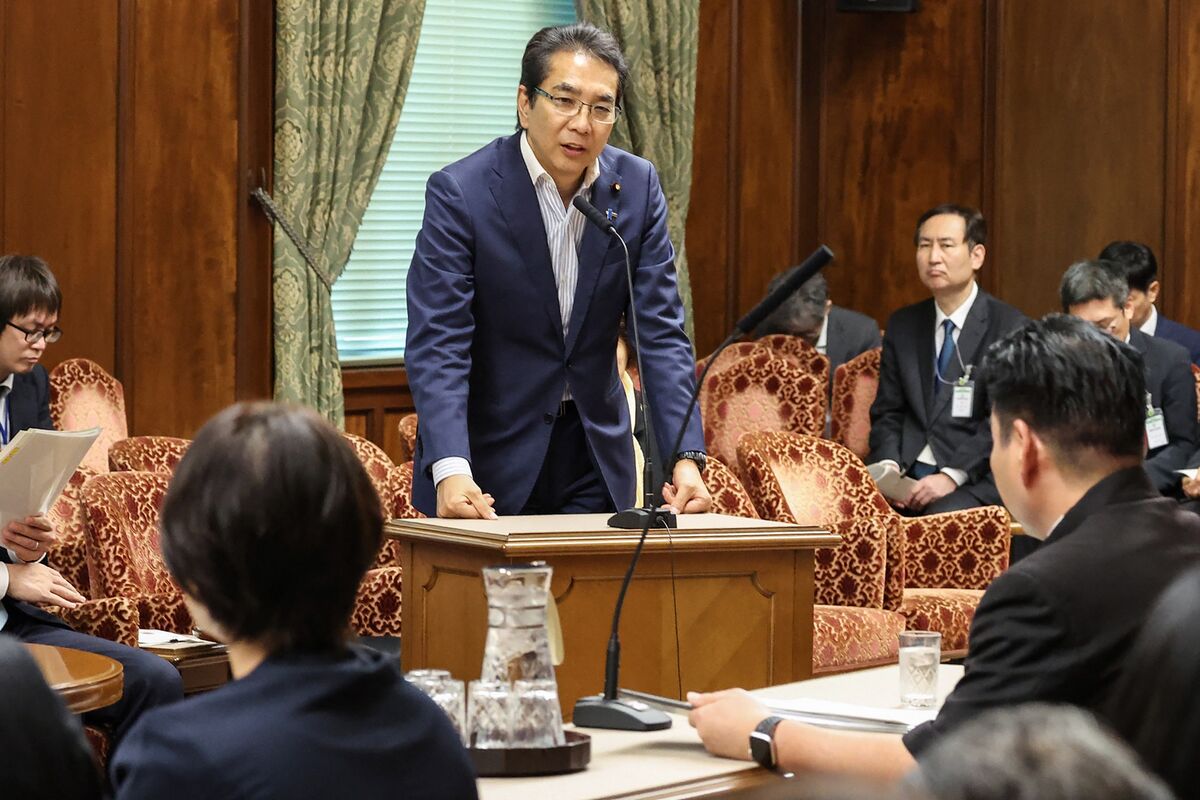
Japanese Farm Minister Taku Eto resigned after stating he had never bought rice, a comment that drew criticism amid rising food prices in Japan. The resignation, accepted by Prime Minister Shigeru Ishiba, is viewed as a setback for the current administration.
The resignation of Japan's Farm Minister, Taku Eto, following his public statement about never having purchased rice, constitutes a notable political development for Prime Minister Shigeru Ishiba's administration, particularly against a backdrop of rising food prices and public sensitivity to cost of living issues. This event has registered a negative sentiment score of -0.3, underscoring its unfavorable reception. Classified under themes of "Elections & Domestic Politics" and "Management & Governance," the incident is primarily a domestic political concern rather than a direct financial market catalyst, as reflected by a low market impact score of 0.3. However, the resignation highlights potential vulnerabilities within the current administration regarding public perception and its handling of economic pressures affecting consumers, which could have broader implications for policy direction and government stability if such challenges persist.
AI-powered research, real-time alerts, and portfolio analytics for institutional investors.
Request DemoOverall Sentiment
Negative
Sentiment Score
-0.30
