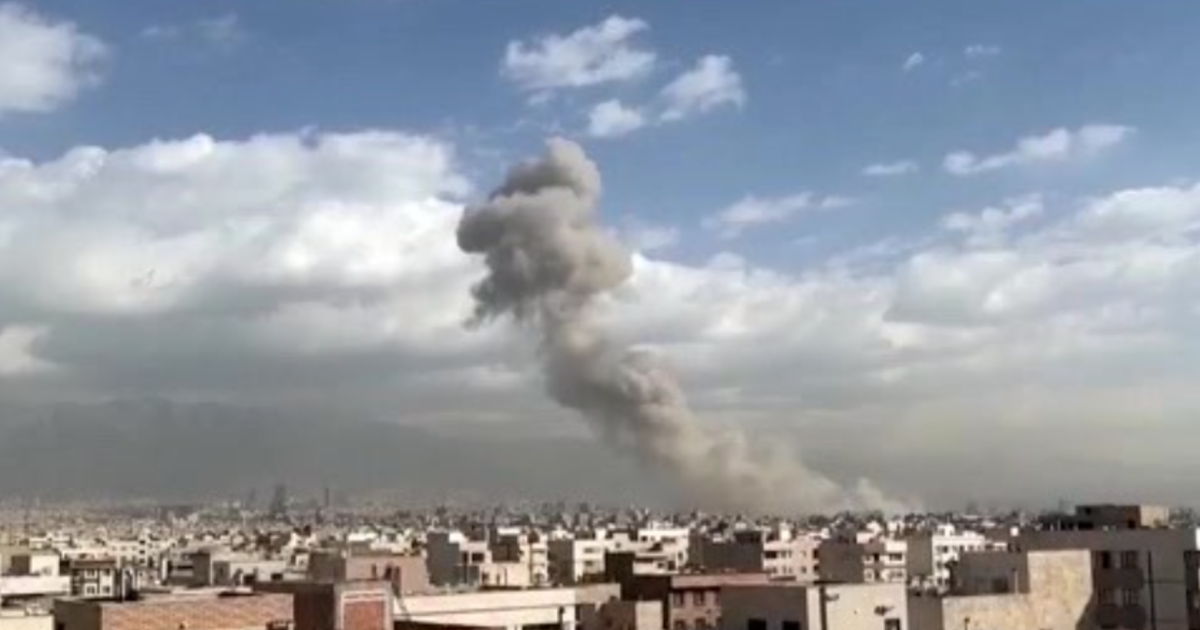
The United States and Israel launched a major military operation against Iran, dubbed "Operation Epic Fury," announced by President Trump on Truth Social, prompting local protests in Chicago and broad criticism from Illinois Democrats. Senators and representatives including Dick Durbin, Jan Schakowsky, Sean Casten and Raja Krishnamoorthi characterized the strike as unauthorized, reckless and likely to prompt calls for a War Powers resolution, raising concerns about escalation, regional destabilization and domestic political fallout. Hedge funds should monitor geopolitical risk spillovers to oil prices, defense stocks and risk assets, and watch for legislative or market reactions driven by potential prolonged military engagement.
Market structure: Defense contractors (LMT, RTX, NOC, GD) and energy producers (XOM, CVX, XLE, BNO) are immediate beneficiaries as risk premia and oil-price uncertainty rise; airlines (AAL, UAL), leisure, and Middle Eastern banks are direct losers from higher fuel costs and travel disruption. Pricing power shifts toward producers and insurers (PGR, AIG) that can reprice risk; shipping & freight insurers will widen spreads if Strait of Hormuz risk persists. Cross-asset: expect safe-haven bids — Treasuries (TLT), USD, JPY and gold (GLD) — and a jump in implied volatility (VIX); oil futures likely to gap +5–15% in days if supply routes are threatened.
Risk assessment: Tail risks include a protracted regional war (5–15% probability) that could push Brent >$120/bbl and cause global growth downgrades, or rapid de-escalation (20–30% probability) that reverses spikes within 2–6 weeks. Immediate horizon (0–7 days) = elevated volatility and liquidity premium; short-term (1–3 months) = repricing of energy and defense earnings; long-term (3–24 months) = potential fiscal boost to defense budgets but slower global growth. Hidden dependencies: insurance capacity, shipping rerouting costs, and release of SPR by IEA/US can cap oil; sanctions on Iran could be asymmetric.
Trade implications: Tactical longs in defense and energy and hedges in bonds/gold are warranted within 48–72 hours; prefer structured option exposure to limit downside. Pair trades: long XOM vs short UAL to express oil shock vs travel weakness. Use options to monetize volatility: buy 3–6 month call spreads on LMT/RTX and buy Brent call spreads or long BNO if Brent breaches $95/bbl.
Contrarian angles: Market may overpay for long-duration defense exposure — history (2003 Iraq) shows initial rallies often retrace 25–40% in 3–6 months absent sustained conflict. Oil shocks are capped by SPR releases and demand elasticity; if Brent fails to sustain >$100 for 6 weeks, rotate profits into cyclical recovery names. Monitor thresholds: Brent $95–100, VIX >30, 10Y UST move down >20bp as triggers to trim risk-on positions.
AI-powered research, real-time alerts, and portfolio analytics for institutional investors.
Request DemoOverall Sentiment
moderately negative
Sentiment Score
-0.60
