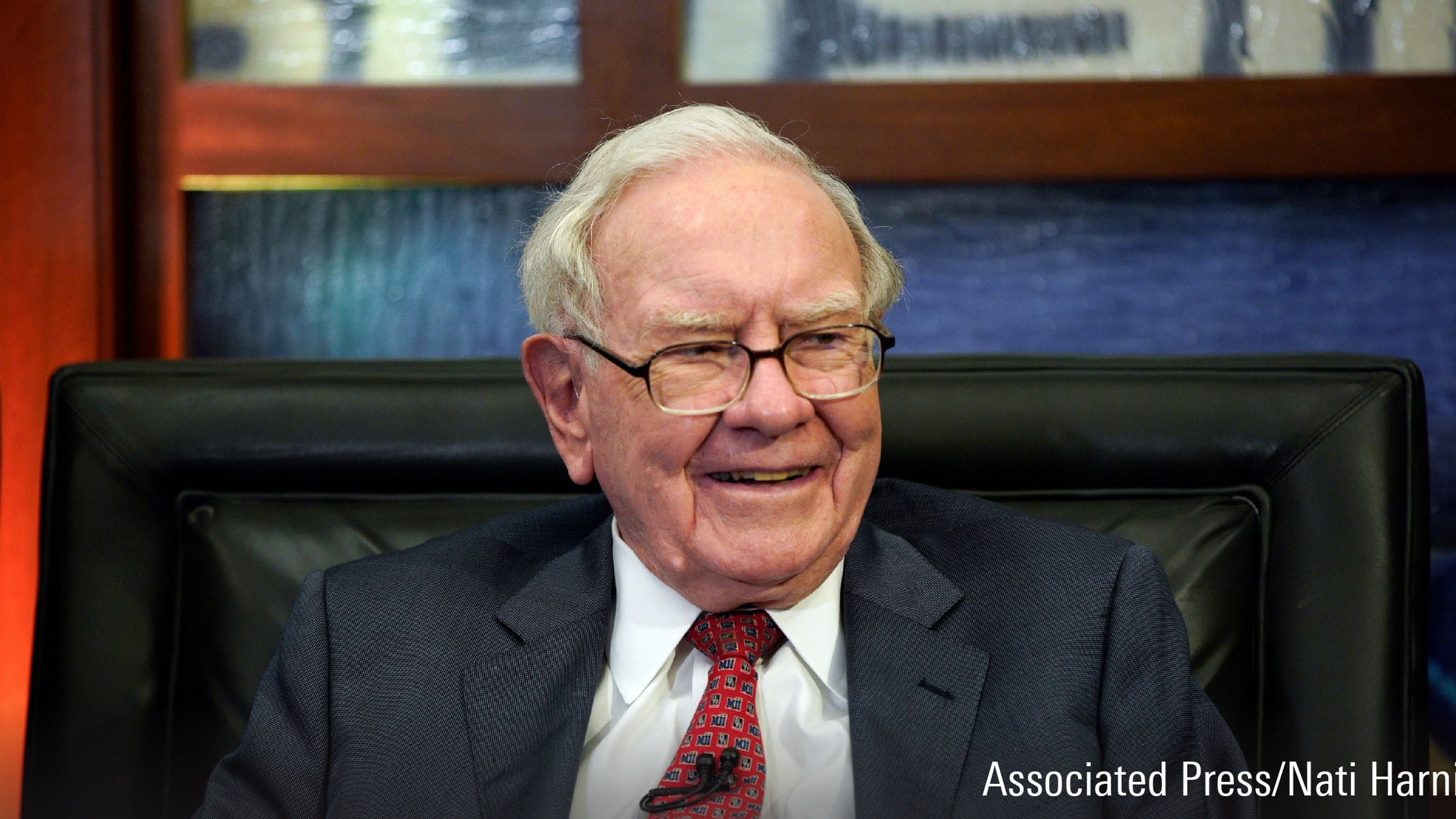
Berkshire Hathaway shares have declined over 12% since May, prompting debate over the "Buffett premium" following Warren Buffett's announced retirement. While some link the dip to a fading premium, Morningstar analysis suggests the premium has long diminished, attributing the underperformance to Berkshire's defensive characteristics lagging a risk-on market, its elevated valuation, and increased competition limiting deal opportunities. Investors are now focused on Greg Abel's impending leadership and potential strategic actions, such as a BNSF/CSX merger, given the firm's substantial cash reserves.
Berkshire Hathaway's stock has experienced a significant downturn, falling over 12% since the May announcement of Warren Buffett's retirement, fueling a debate over the erosion of the so-called "Buffett premium." However, analysis from Morningstar suggests this premium has been diminishing for the past decade due to increased competition from private equity and greater information availability, which have curtailed Berkshire's unique deal-making advantages. The recent stock decline is instead attributed to a confluence of factors: a reversion to its historical trend of lagging during strong, risk-on market rallies; and a valuation reset from an elevated level. The stock was trading at a price-to-book ratio of approximately 1.6x, above its long-term average of 1.4-1.5x. Despite the drop, valuations remain a point of contention, with Morningstar viewing Class A shares as slightly undervalued near $711,480, while UBS maintains a "Buy" rating with a $892,120 price target, assessing the stock at a 4% premium to intrinsic value. Looking forward, the focus shifts to incoming CEO Greg Abel, who will face intense scrutiny. The company's fundamentals are viewed as solid, supported by a diversified business model and a substantial $344 billion cash position, although UBS does not anticipate buybacks in the near term. A potential merger involving its BNSF railroad business is a key catalyst investors are monitoring.
AI-powered research, real-time alerts, and portfolio analytics for institutional investors.
Overall Sentiment
neutral
Sentiment Score
-0.10
Ticker Sentiment
