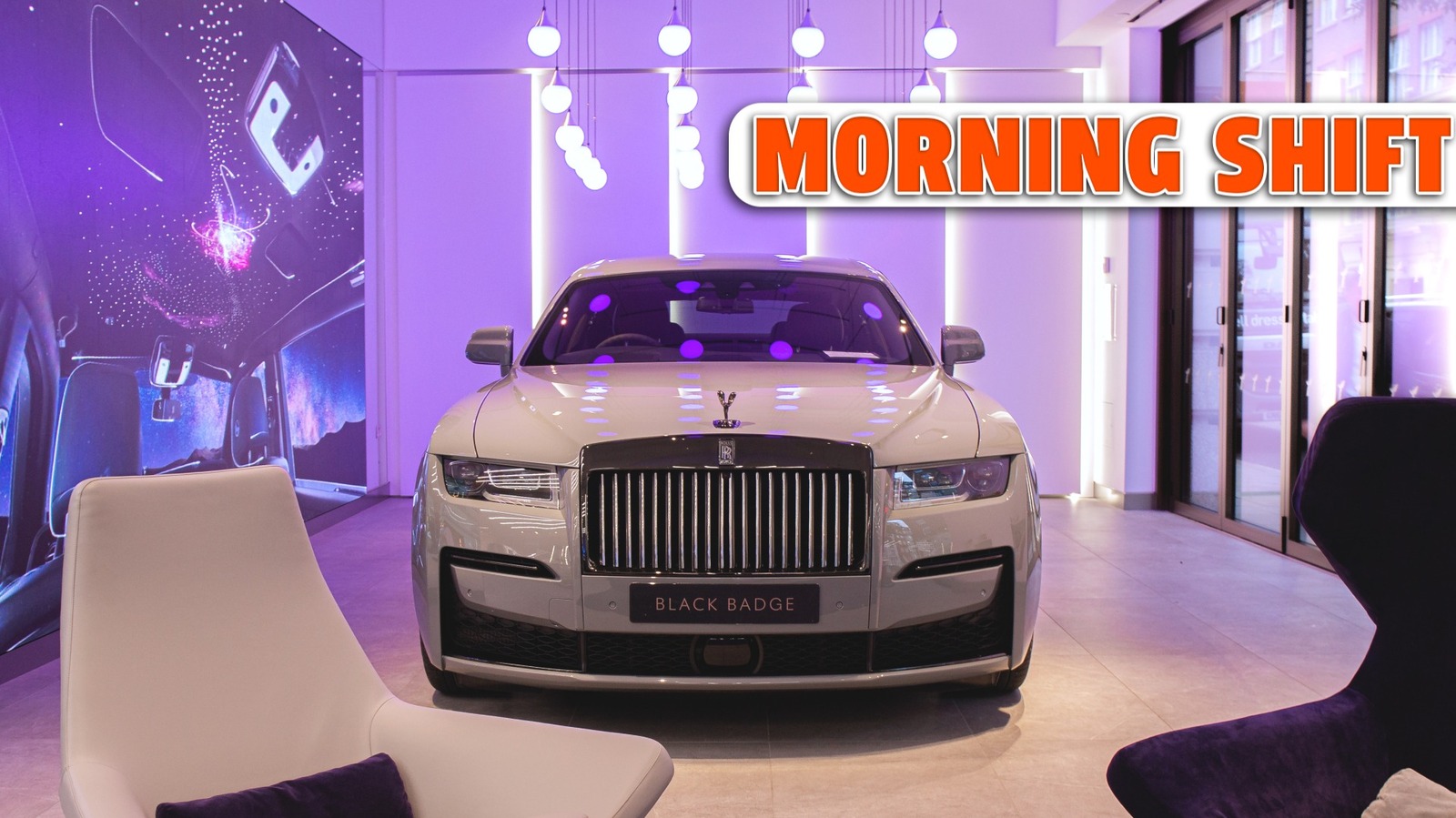
Rising vehicle prices and constrained dealer inventories are shifting new-car demand toward high-income households and away from middle- and lower-income buyers, with industry forecasts projecting U.S. new-vehicle sales to fall to roughly 15.8–15.9 million in 2026. Volkswagen reported a 20% drop in U.S. Q4 volume (82,798 units) while Audi plunged 36% in Q4 (36,233 units) and saw a 16% decline for 2025, underscoring near-term revenue pressure for legacy automakers amid tariff-driven cost headwinds and product competitiveness issues. On the technology front, Lucid/Nuro/Uber unveiled the Gravity robotaxi (Nuro L4 stack on Nvidia Drive AGX Thor) with production targeted later this year, and Mercedes plans to offer MB.DRIVE ASSIST PRO in the U.S. at $3,950 for three years, signaling accelerating product and software competition even as consumer affordability weakens.
Market structure: The market bifurcates — premium buyers (household income ≥$150k) are driving demand (new-car sales +45% since 2019 in that cohort) while sub-$75k buyers are down ~30%, pushing overall sales to a forecasted 15.8m vehicles in 2026. Winners: luxury OEMs that can command supply-constrained pricing, software/compute suppliers (NVDA) and mobility platforms (UBER) that monetize services; losers: mass-market, import-reliant brands (VW/Audi) and franchise dealerships dependent on volume and rebates.
Risk assessment: Key tail risks are (1) tranche of tariffs that force sticker-price jumps and depress volumes further, (2) a high-profile AV/robotaxi incident triggering regulation and litigation, and (3) a Lucid/Aurora-style cash-constraint halting robotaxi production. Near-term (days–weeks) risks center on Q4 prints and tariff decisions; medium (3–12 months) on CES/robotaxi pilots and tax-credit changes; long-term is structural demand reallocation toward premium and shared services.
Trade implications: Tilt portfolios toward semiconductor compute exposure (NVDA) and platform owners (UBER) that can take commission on robotaxis, while hedging or shorting incumbents with deteriorating US volumes (VW/Audi equivalents, and selectively TSLA on FSD competition). Reduce auto-credit/ABS exposure and reallocate to subscription/SAAS software providers and parts suppliers benefiting from higher ASPs. Use options to size binary outcomes (robotaxi/regulatory) and preserve capital.
Contrarian angles: Consensus underestimates speed at which software/robotaxi will reallocate economics from vehicle OEMs to platform/compute vendors — if Lucid/Nuro/Uber scale even modest fleets (1–5k units) by year-end 2026 it becomes a material TAM for Nvidia and Uber. Conversely, Audi/VW distress may be overdone if they cut prices to defend share — a 10–15% price rollback would arrest volume declines and create a mean-reversion trade.
AI-powered research, real-time alerts, and portfolio analytics for institutional investors.
Request DemoOverall Sentiment
moderately negative
Sentiment Score
-0.45
Ticker Sentiment
